

















































What it does
Fake Out is a Normal-type physical move — 40 Base Power, priority +3, 100% flinch, usable only on the first turn in. Flinch is not a status condition; no berry cures it, no Limber prevents it. In Champions, where most status tools got trimmed (paralysis full-stop dropped to 12.5%, sleep capped at 3 turns), Fake Out sits in a different category entirely — reliable, uncleansable, and always available on switch-in.
The 40 base power almost never decides anything on its own. Take a typical Incineroar set: with attack-oriented Stat Points you're looking at roughly 152 Attack, and against a standard 80 base Defense target, Fake Out deals somewhere around 12–15% HP. That's not why you run it. The reason is that you force one opposing Pokémon to do absolutely nothing while your partner acts unopposed.
What can that free action buy? Trick Room takes a full turn to set. Tailwind does too. Mega Evolution triggers on the action turn — if your Mega carrier isn't interrupted, it evolves and attacks in the same turn. Fake Out gives all of these a zero-risk execution window. One target is locked, the other faces your partner's full pressure with no way to split attention. A single Fake Out — costing no items, no PP from your main attacker, nothing — buys you uncontested turn-1 control.
In singles, the math works against it. 40 power barely chips, and the move goes offline after one use until you cycle back in. There are specific situations where it has lead value — forcing chip or reading opponent behavior — but it's nowhere near the backbone it is in doubles.
Who runs it
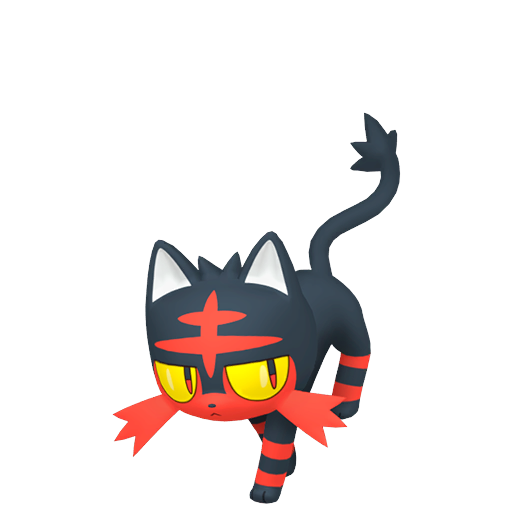
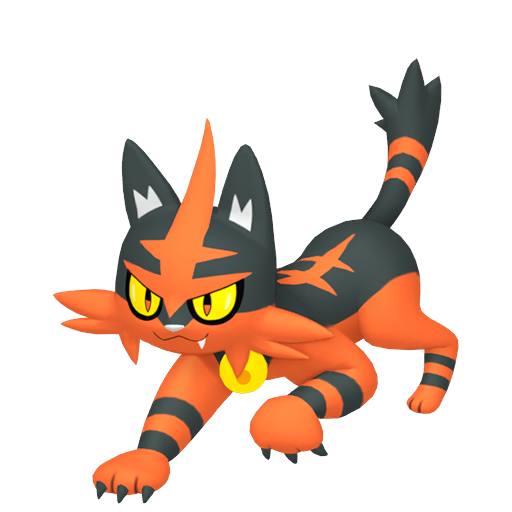
Incineroar is the defining Fake Out user in doubles, appearing on sets at extreme rates. The layering is what makes it exceptional: Intimidate fires on switch-in, immediately dropping both opponents' Attack by one stage before a single move is even chosen. Then Fake Out pins one of those already-weakened targets. Then Parting Shot cycles Incineroar out, bringing in a fresh threat that triggers another Intimidate. That's three disruption events — Attack drop, lost turn, Attack drop again — chained across two moves without spending any other resource.
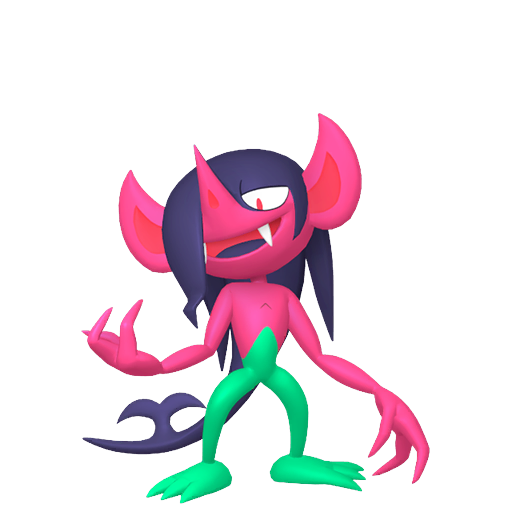
Kangaskhan holds a unique edge: Scrappy makes its Normal-type moves hit Ghost types. Every other common Fake Out user — Incineroar, Sneasler, Weavile — fails completely against a Ghost-type lead. Kangaskhan doesn't. When the opponent's lead is a Ghost type and you need the flinch to land, Kangaskhan is the only one that delivers. Its Last Resort follow-up adds a secondary threat layer that forces the opponent to make decisions under pressure.
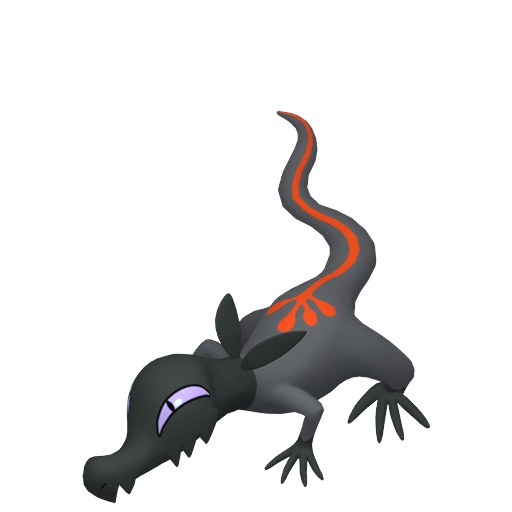
Sneasler (base Speed 120) outspeeds most leads naturally, so its Fake Out going first is almost guaranteed without speed investment. It doesn't have the support stacking that Incineroar does, but pure speed reliability makes it a consistent disruptor before pivoting into Close Combat or Dire Claw.
Weavile runs a similar profile — high Speed, high Attack, Fake Out into Triple Axel or Knock Off for immediate pressure after the flinch.
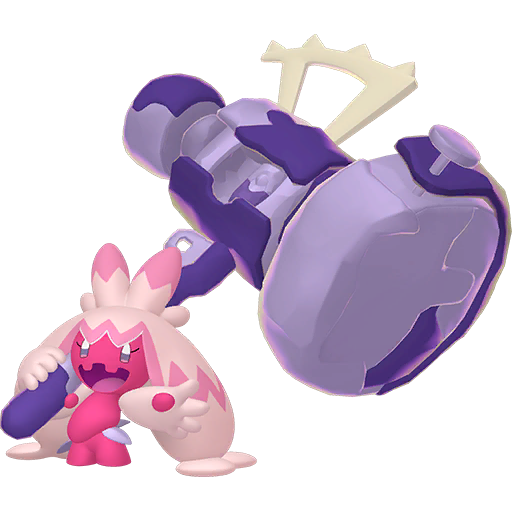
Tinkaton chains Fake Out into Encore: flinch one target, lock the other's move with Encore, then bring down Gigaton Hammer on whichever is more exposed. Fake Out here is the trigger for a two-target control sequence.
How to use
Standard doubles tempo sequence
Turn 1: Incineroar uses Fake Out on the bigger immediate threat — that Pokémon flinches and loses its turn. Your partner (say, Torkoal) fires Eruption at full power into both targets. One opponent is completely locked, the other has to absorb a high-damage spread move. You acted freely; they didn't. The game state has already shifted.
Turn 2: Incineroar uses Parting Shot and cycles out. The incoming Pokémon triggers another Intimidate. Your opponent is now playing catch-up instead of executing their own plan.
Refreshing Fake Out
The constraint that makes Fake Out interesting is that it resets on switch-in. Running multiple Fake Out users means the opponent faces a new flinch threat every time one switches in. At high level you see Incineroar use Fake Out, cycle out through Parting Shot, and then a second Fake Out user comes in later when the opponent thinks they're finally in the clear. Maintaining that flinch clock on multiple Pokémon is one of the clearest marks of a well-built doubles team.
Mega Evolution cover
Flinch one target, your Mega carrier evolves and attacks in the same turn — no protection move needed, no guessing whether they'll target the Mega carrier. It's the cleanest, most resource-free setup window available.
Singles use
Primarily useful for lead pressure and reading: you deal chip and observe what the opponent does. If you have a pivot plan, you can cycle Fake Out back in on a second switch. But in singles it's a niche tool, not a reason to build around.
Tips & strategy
Counting Fake Out uses
This is table-stakes doubles awareness. Once a Fake Out user has been on-field and used its turn, that threat is gone until it switches. When Incineroar hasn't used Fake Out yet, you have to respect that it might. Once it has, the next turn is open — it's limited to Parting Shot or an attacking move, and that's exactly when you switch in a threat that would otherwise get flinched.
Common beginner mistake
Using Incineroar's Fake Out into a Ghost-type lead (like Dragapult). The move simply fails — Normal-type attacks can't hit Ghost types — and the opponent gets a completely free turn-1 action. The fix: during Team Preview, check whether the opponent's likely lead is a Ghost type. If it is, either lead Kangaskhan (whose Scrappy bypasses the immunity), or skip Fake Out entirely and have Incineroar use Parting Shot or an attack instead.
Hard counters and named exceptions
Inner Focus and Steadfast grant complete flinch immunity — Fake Out deals 40 damage and nothing else. Lucario is the most common holder. Identifying these during Team Preview is essential before committing to a Fake Out lead.
Speed mirror: when both sides run Fake Out, the faster Pokémon flinches the slower one — and the slower one's Fake Out is wasted on a flinched target or doesn't go off at all. Slower Fake Out users need to aim at the other slot, not the opposing Fake Out user.
Defiant trap: Fake Out itself doesn't lower stats, so it's fine against Kingambit. But the Parting Shot that almost always follows from Incineroar hands Kingambit a free +2 Attack boost via Defiant. When you see Kingambit across the field, think twice before automatically chaining Fake Out into Parting Shot — you may be powering up the opponent's win condition.