













What it does
Light Clay extends Reflect, Light Screen, and Aurora Veil from 5 turns to 8. Three turns doesn't sound dramatic, but the numbers make the case clearly.
In singles, Reflect multiplies incoming physical damage by ×0.5. A hit that would deal 120 damage now deals 60 — the difference between a one-shot and a two-hit KO. A 5-turn screen gives you 4 protected turns after setup (you spend turn 1 setting it). An 8-turn screen gives you 7 protected turns — your opponent now has to simultaneously handle your offense and outlast the screen, and failing at either one costs them the game.
In doubles the reduction is ×0.667 (roughly two-thirds), less extreme than singles but protecting two Pokémon at once, which roughly doubles the effective value. One caveat that never changes regardless of duration: critical hits bypass screens entirely. That's the structural weakness of screen teams — not counterplay, raw variance — and Light Clay doesn't fix it.
In Champions, Stat Points cap at 66 total (32 per stat). Most offensive Pokémon run lean defensive spreads by necessity. A Pokémon with base 75 Special Defense and moderate investment can still get two-shot by mainstream special attackers. The three extra turns Light Clay provides are what let an offensive core complete the full "arrive → set up → sweep" sequence without the screen expiring mid-execution. It's not a luxury — it's load-bearing.
Who runs it
Only screen setters should hold this item. The relevant archetypes:
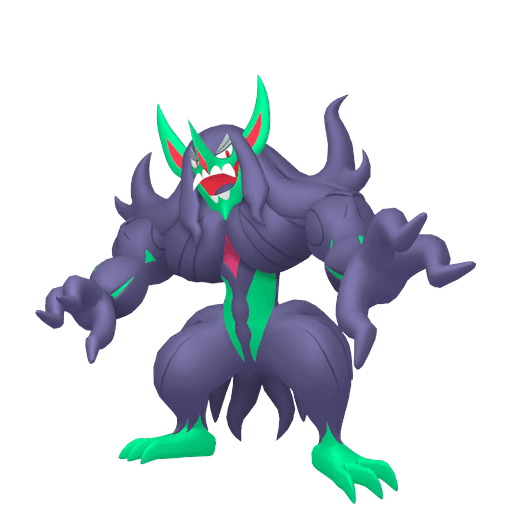
- Grimmsnarl: The dominant screen setter in doubles. Prankster gives Reflect and Light Screen +1 priority, putting them ahead of nearly every relevant threat. Light Clay is the natural complement — Grimmsnarl's only job is to set screens fast and get out of the way, and 8 turns of coverage means the mid-game is fully covered even if Grimmsnarl doesn't return to field.
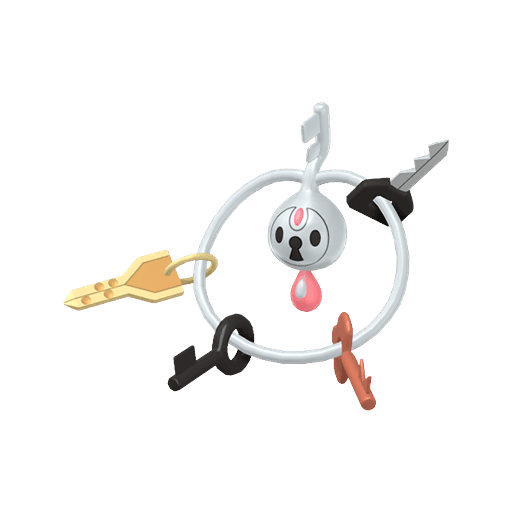
- Klefki: Same Prankster setup, Steel/Fairy typing provides immunity to Poison and Dragon moves, making it more durable against specific threats. The same item logic applies — screen setter, Light Clay, full stop.
- Ninetales (snow teams): Snow Warning auto-sets snow, enabling Aurora Veil for simultaneous physical and special protection. Light Clay on Ninetales locks in 8 full turns of dual-screen coverage — the backbone of "veil offense" archetypes. Ninetales' moderate Speed makes it dependent on partner Fake Out support to safely get the Veil off on turn 1.
- Whimsicott: High Speed allows it to set screens without Prankster as a backup, but in practice it more often runs Focus Sash to guarantee turn-1 survival. Light Clay is optional rather than mandatory here.
In singles, fast screen setters typically set one or both screens then pivot via U-turn or Parting Shot into the offensive core. The 8-turn window means even if the setter faints shortly after, screens still cover the entire mid-game for the incoming threats.
How to use it
Standard doubles opening (screen team):
- Turn 1: Setter uses Prankster to set Reflect or Light Screen before most threats can act; partner uses Fake Out to flinch the opposing most dangerous Pokémon, neutralizing their turn-1 output entirely.
- Turn 2: Set the second screen, or switch the setter out to bring in the main attacker while screens are live.
- Turns 3–8: Execute your win condition with the protection window intact.
Which screen goes up first depends on what you're facing — heavy physical pressure means Reflect first, heavy special pressure means Light Screen first. If the opponent's team is mixed, Reflect is usually the safer first call since physical moves tend to hit harder against the squishier offensive spreads in Champions.
The wrong way to play it: spending both turns 1 and 2 setting screens while your partner does nothing meaningful. This is the most common execution error — Grimmsnarl sets Reflect turn 1, sets Light Screen turn 2, while the partner (who has no Fake Out) takes two free hits. The correct structure is Fake Out on turn 1 to buy the screen, then the second screen or a switch on turn 2. Fake Out support on turn 1 is more important than getting both screens a turn faster.
In singles, the setter comes in early, sets screens, then uses U-turn to pivot out to the real threat. Under Light Clay's 8-turn coverage, the incoming core has full runway — arrive, set up, sweep — without having to rush because screens are about to expire.
Aurora Veil restriction: only works during Snow/Hail. Light Clay does not provide weather. If your snow setter gets Faked Out or forced out before turn 1 ends, the Veil opportunity is gone for that turn. Confirming weather before committing to Veil is essential.
Count the turns. With 8-turn screens, turn 7 is the last protected turn. That's the window for your decisive move — not turn 8, when you're unprotected, and definitely not "somewhere in the middle." Players lose screen games by forgetting to count.
Tips & strategy
The classic beginner mistake: giving Light Clay to the wrong Pokémon. It's surprisingly common to see Light Clay sitting on an attacker "in case screens get set." This item does exactly nothing for any Pokémon that doesn't use Reflect, Light Screen, or Aurora Veil. If your attacker needs screen support, the answer is for your screen setter to hold Light Clay — not for the attacker to hold it themselves. The item slot opportunity cost is real.
Brick Break deletes everything. Before dealing damage, it removes all active screens — 8 turns of setup undone in one hit. During Team Preview, identify whether your opponent has a Brick Break user. Fighting-types and several physical wallbreakers carry it regularly. If they do, the calculus shifts: either neutralize that Pokémon before screens matter, or avoid setting screens into it altogether. Don't blindly set screens into a confirmed Brick Break user.
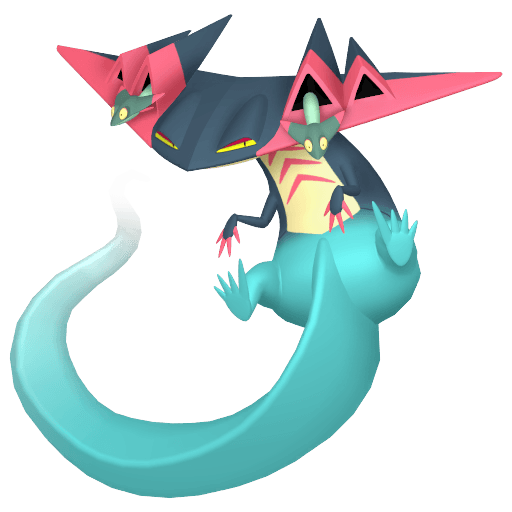
Prankster is dead against Dark-types. Grimmsnarl and Klefki lose their priority screens entirely when the target is a Dark-type. Against Hydreigon, Tyranitar, Incineroar, or any other Dark-type, the Prankster boost disappears and the screen goes to normal priority — the opponent can outspeed and attack before it resolves. Know which opposing Pokémon are Dark-type during team preview and plan around this blind spot.
Taunt shuts screen setters down cold. A taunted Grimmsnarl can't set screens — it's a dead card. Most Taunt users don't have priority, but fast ones can land it before even Prankster screens. When the opponent has a known fast Taunt user, have your partner's Fake Out ready to flinch it first, securing the screen before Taunt can land.
Screens and Mega Evolution are separate jobs. A Grimmsnarl spending the first two turns setting screens cannot simultaneously serve as your team's Mega Stone user trying to transform. Mixing both roles onto one Pokémon is a recurring structural error in screen builds — it either delays the transformation until the screens expire, or wastes a screen turn on transformation. Assign the Mega Evolution role to a different team member and let the screen setter focus entirely on its one job.
Magic Bounce can reflect Reflect and Light Screen back at the setter. It's situational, but Gardevoir and other Magic Bounce users make screen setting actively counterproductive in those matchups — your own screen ends up protecting the opponent.