








































































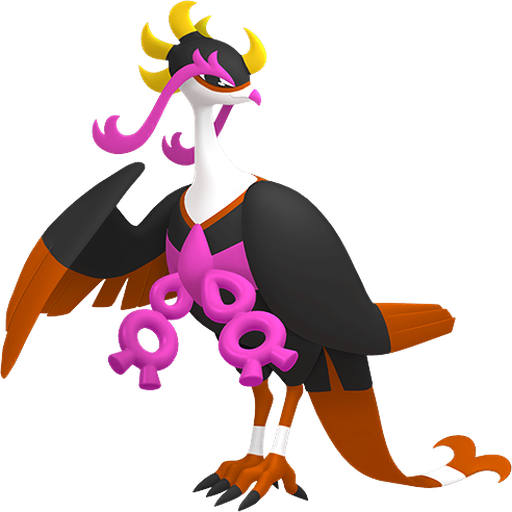
What it does
Tailwind doubles the Speed of every Pokémon on the user's side of the field for 4 turns, counting the turn it's used. The boost is tied to the field, not the user — switch the setter out immediately and the Speed boost stays for the remaining turns.
Speed calculation order matters: stat stages first → ability multipliers (Chlorophyll, Swift Swim, etc.) → item (Choice Scarf ×1.5) → Tailwind ×2 → paralysis halving. Tailwind and Choice Scarf sit in separate steps and each is floored independently — the effective result is not a flat ×3 multiply.
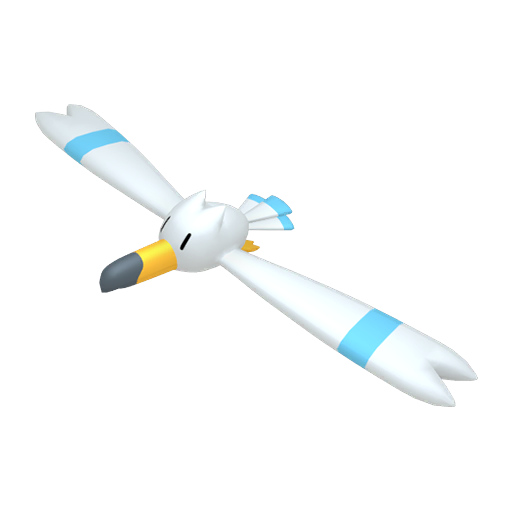
Worked numbers show why this is a big deal. Volcarona has base 100 Speed; under Tailwind at Lv50 its real stat goes from around 145 to 290, which outspeeds virtually the entire unmodified metagame. Pelipper sits at a sluggish base 65 (roughly 105 real stat at Lv50), but Tailwind brings it to 210 — enough to get the jump on many unboosted threats. The extreme case: Kingdra with Swift Swim active under Tailwind. Swift Swim applies first (×2), then Tailwind applies (×2), each floored separately. The result is in the ballpark of ×4 real Speed — near 490+ — and essentially nothing outspeeds it without its own weather ability.
In Champions, Stat Points total 66 with a cap of 32 per stat. Your damage cores routinely prioritize bulk and attack over Speed. That gap is exactly what Tailwind covers in a single turn — much more efficiently than trying to invest Stat Points into Speed on every team member.
Who runs it
Prankster supporters are the most reliable setters. Whimsicott and Tornadus elevate status moves to +1 priority through Prankster, meaning Tailwind fires before virtually any attack regardless of Speed, paralysis, or opposing Scarf. Whimsicott picks up a Grass-type immunity to powder moves and is immune to Dark-type targets' Prankster blocking (but note: Prankster-boosted moves do not work on Dark-types — the one real limitation). Tornadus brings Flying-type coverage alongside its support role, so it threatens damage if needed.
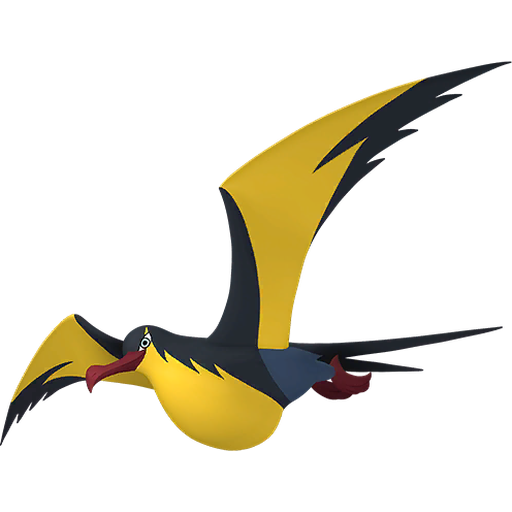
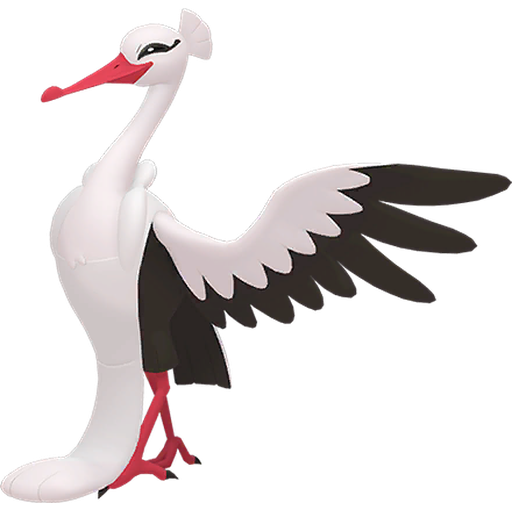
Weather setters slot Tailwind naturally. Pelipper turns on Drizzle for rain and stacks Tailwind on top — in a single slot it's enabling weather-boosted attackers and solving the Speed problem for non-Water teammates simultaneously. That kind of two-in-one leverage justifies Pelipper's place on almost any rain team.
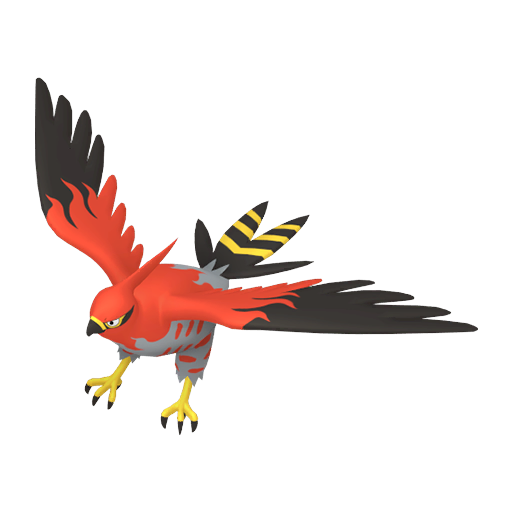
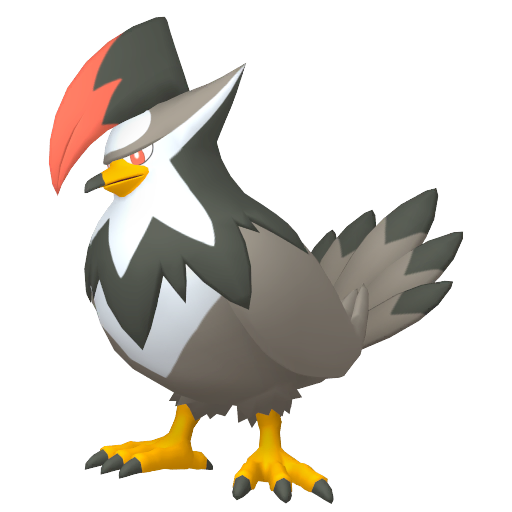
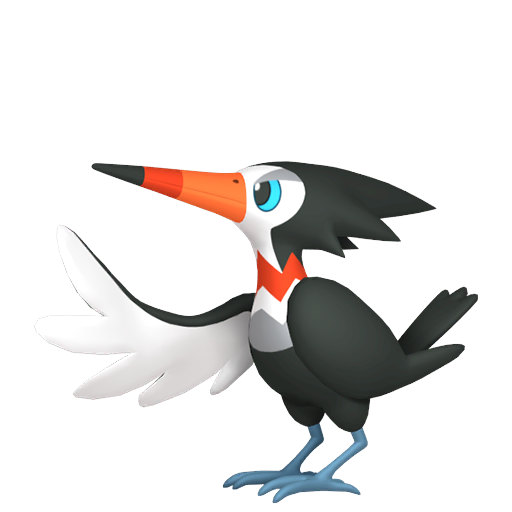
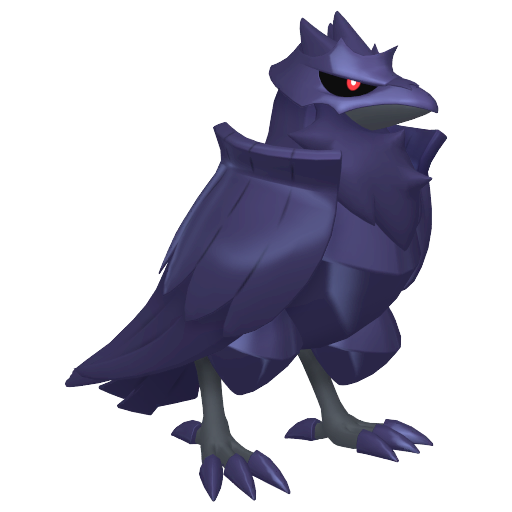
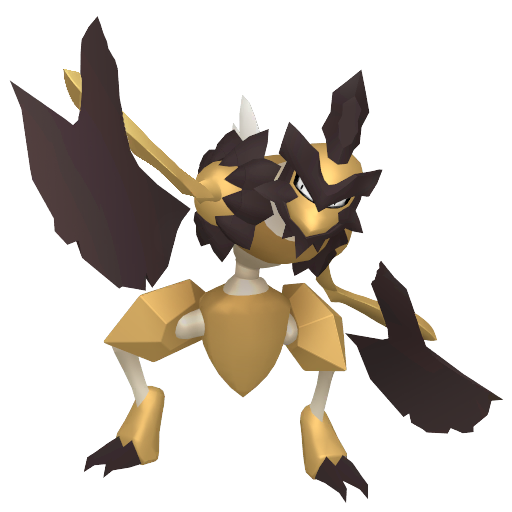
Fast attackers like Talonflame and Corviknight run Tailwind not because they personally need the Speed boost, but to drag their slower teammates up to the same Speed bracket and create a situation where the opponent is slower than everything on your side. Talonflame in particular doesn't waste the turn: after Tailwind it can press Gale Wings-boosted Flying STAB immediately.
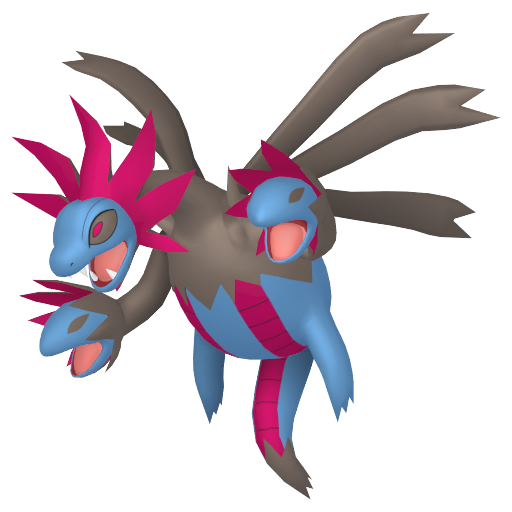
High-damage but mid-Speed cores — Volcarona, Dracovish — are the primary beneficiaries. These are the Pokémon teams are built around, but they're fragile on turn one before setup. Tailwind buys them the speed they need to survive T1 and start doing damage rather than getting picked off by faster opponents with a Choice Scarf.
How to use it
Standard doubles pattern: T1, lead Prankster setter (Whimsicott) alongside your main attacker. Tailwind fires through Prankster priority — even if both opponents move fast, Tailwind is already out. Your attacker moves the same turn under Speed advantage. T2, the setter uses Encore to lock an opponent into Protect, or pivots out for your second attacker. Pokémon switched in mid-Tailwind also benefit from the existing boost, and they act at doubled Speed the turn they come in — so switching patterns can be more aggressive than usual.
The decision tree for T1: if the opponent shows no speed-control setup (no Hatterene, no bulky-slow leads), commit to Tailwind and start pressuring immediately. If you see potential Trick Room setup, consider whether you can threaten or knock out the setter before it acts — burning a Tailwind turn into a Trick Room counter is a losing trade.
In singles, Tailwind rarely pays off. You spend one turn setting for three turns of Speed advantage, but a Choice Scarf or Speed Stat Points investment doesn't cost a turn at all. The only singles use case is when there's a specific Speed tier (base 130+ Scarf) that neither Scarf nor stat allocation gets you past cleanly, and you need to outspeed it for the win.
Tips & strategy
Trick Room hard-counters Tailwind. Under Trick Room, the slower side moves first — doubling your team's Speed turns you into the slowest targets on the field. Against a clear Trick Room team in preview, you need a plan to KO the setter (Hatterene, Porygon2) before it gets Trick Room up, or accept that your speed-control is being nullified. The Tailwind vs. Trick Room read is the single highest-impact prediction call in doubles — getting it wrong costs the game.
Taunt stops most setters, but not Prankster ones. Taunt and Prankster Tailwind share the same +1 priority bracket, so the faster Pokémon within that bracket goes first. Against a Prankster setter that's faster than your Taunt user, Tailwind still goes through. The reliable answer is Fake Out: flinch the setter on T1 and it can't act at all. That costs you an attack, but it's the cleanest way to stop Prankster Tailwind when you don't have something that outspeeds even in the +1 bracket.
Count the turns precisely. Tailwind lasts 4 turns including the setup turn. The setter has already acted on that turn, so it only personally benefits from turns 2–4 if it stays in. For your partners, you have 3 full turns of doubled Speed. Don't spend those turns on Protect casually. If you're in a winning position near the end of turn 3, re-using Tailwind is possible if PP allows, but you're trading damage output for insurance — confirm the board state is worth it.
Common-mistake autopsy. A beginner runs a Tailwind team without Prankster support and leads T1 against an opponent whose faster lead Scarfer goes first. The setter gets hit hard or fainted before Tailwind fires. Result: one Pokémon down, no Tailwind, momentum completely reversed. The fix is either to run Prankster setters (Whimsicott/Tornadus) to guarantee T1 Tailwind regardless of Speed, or to preview carefully and only lead Tailwind if your setter actually outspeeds the opposing lead. Without Prankster, every T1 Tailwind decision requires a Speed comparison — don't skip that check.