









































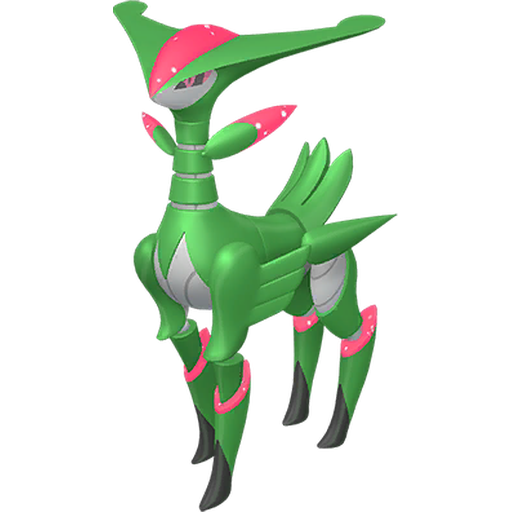

What it does
Psychic Terrain sets a Psychic field for 5 turns (8 with Terrain Extender). Two independent effects run simultaneously.
First: every grounded Pokémon is immune to priority moves with priority greater than 0. That means Fake Out, Quick Attack, Sucker Punch, First Impression, Extreme Speed — all blocked. Fake Out is the most common turn-one action in doubles. It pins one of your Pokémon for the whole turn, disrupts your opener, and costs you momentum before you've even done anything. Psychic Terrain takes that entire category of attack offline.
Second: Psychic-type moves used by grounded Pokémon deal 1.5x power. This applies to both sides — if your opponent has a Psychic-type attacker, they benefit too. Build your team knowing the full map of Psychic moves on both sides.
Not grounded: Flying-types, Levitate users, and Air Balloon holders are unaffected by both parts. They still get Fake Out. They don't get the damage boost. If the opponent has a grounded Fake Out user and an airborne one, the terrain only blocks the grounded version.
Terrain overwriting: Psychic Terrain replaces Electric Terrain, Grassy Terrain, or Misty Terrain when set. If the opponent had Misty Terrain running to block status moves, your Psychic Terrain cancels that protection in the same action it sets your field.
Who runs it
Meowstic at 61% usage is the primary setter. Male Meowstic carries Prankster, which raises the priority of status moves by +1. Psychic Terrain goes at priority +1 — but Fake Out has +3 priority, so Fake Out still resolves first. Meowstic's value is setting the terrain quickly for all subsequent turns; turn one it typically relies on a partner to absorb the Fake Out, or uses its Speed advantage against teams without Fake Out entirely.
Espathra at 14% benefits from a clean setup window. Its Speed Boost passive gains are disrupted if it gets flinched or blocked by Fake Out early. Psychic Terrain removes that threat from turn one, letting Speed Boost compound uninterrupted. And it gets the 1.5x Psychic boost on its own attacks.
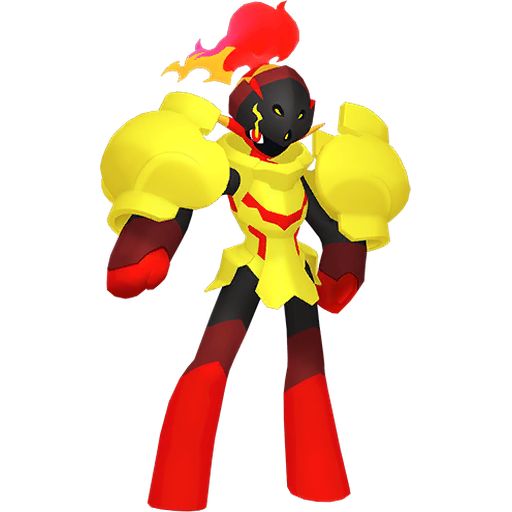
Armarouge at 10% runs Psychic-type attacks as core damage. The terrain multiplier applies without taking up an item slot. It also sits grounded, so it gets the priority immunity too.
How to use it
Set it on turn one. The entire point of leading Meowstic is to have Psychic Terrain active before the opponent's Fake Out moves. Meowstic gets the terrain up quickly, but Fake Out at +3 priority still lands first on turn one — the plan typically relies on the partner to absorb the Fake Out while Meowstic sets terrain. Your active attackers then play turn one without the Fake Out threat hanging over them.
Once the terrain is live, push damage with your Psychic-type attacker. Five turns goes fast in doubles. Use the 1.5x window to finish off targets that Psychic coverage is good against — don't sit on the boost.
If the opponent set terrain first, check whether Psychic Terrain overwriting it is worth the tempo. Misty Terrain blocking status effects might be protecting your own team too, depending on your matchup. Know what you're trading.
Tips & strategy
Airborne Fake Out is the primary counterplay. Togekiss, Tornadus, and any other Flying-type or Levitate user can still use Fake Out through your terrain. Scout whether the opponent has airborne Fake Out users before assuming the terrain fully neutralizes the threat.
Psychic Terrain blocks Sucker Punch. That's specifically relevant against opponents relying on Sucker Punch to revenge-kill your Psychic-type attackers — Incineroar without Sucker Punch is less threatening to a Psychic-type sweeper during terrain turns. Play more aggressively in those windows.
Your own priority moves are also blocked. Your own Fake Out, your own Prankster-boosted support moves with priority — all grounded, all blocked. Check your own team's priority move users before setting this. If you rely on Quick Attack or Sucker Punch for certain matchups, Psychic Terrain works against you in those situations.
Terrain Extender is a real consideration if your whole team is built around the terrain staying active. 8 turns versus 5 is a meaningful difference across a three-game set. The item slot cost is real though — weigh it against the value of that extra coverage. Teams fully committed to the terrain gameplan get more from the item; teams using terrain as a supplementary tool often don't need it.