










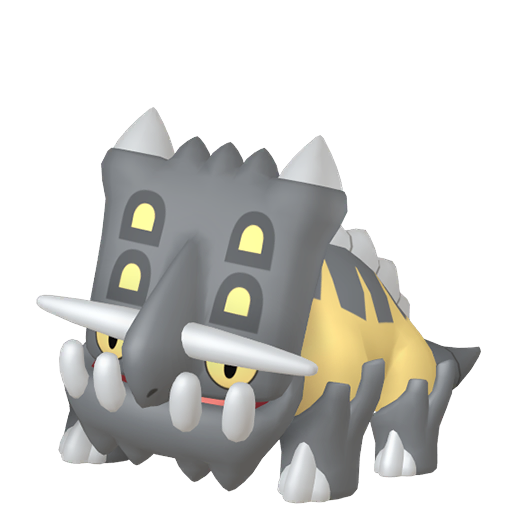
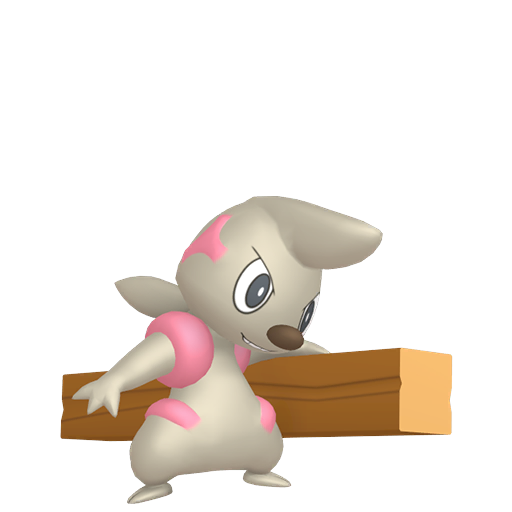
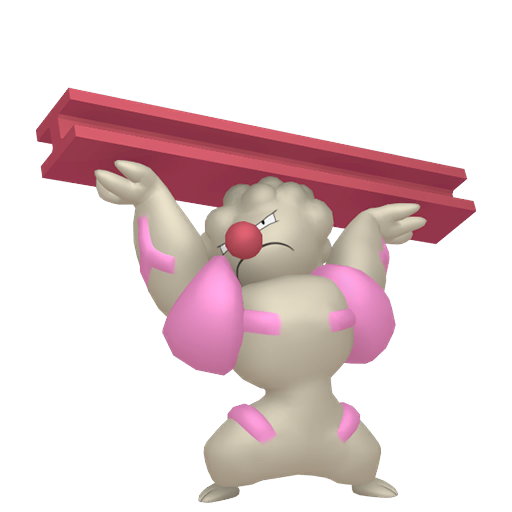
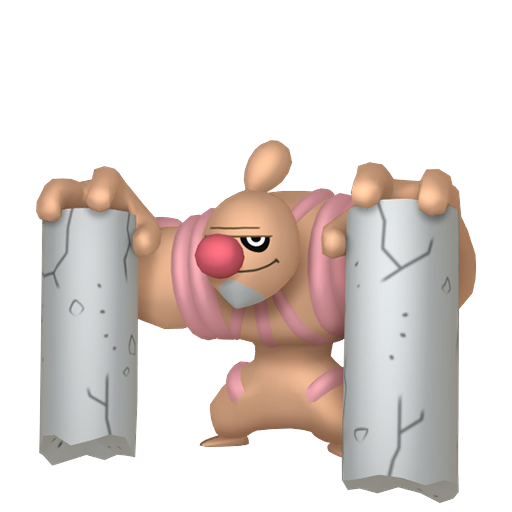


What it does
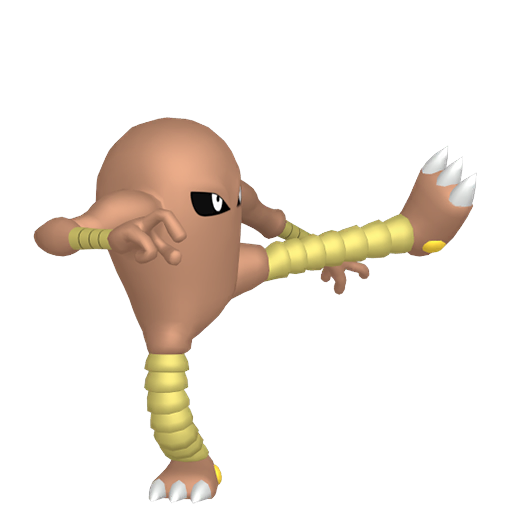
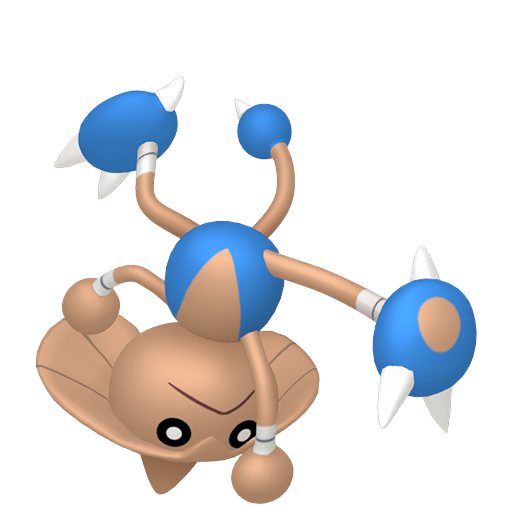
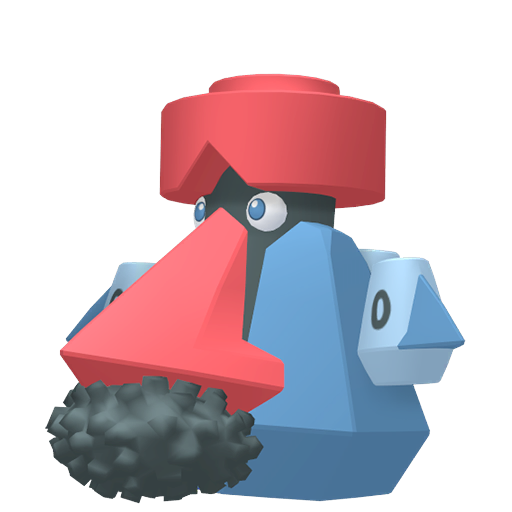
Wide Guard makes both Pokémon on your side immune to "spread moves" — attacks that target multiple targets simultaneously — for the entire current turn. The list includes Earthquake, Rock Slide, Heat Wave, Blizzard, Discharge, Eruption, Water Spout, and more.
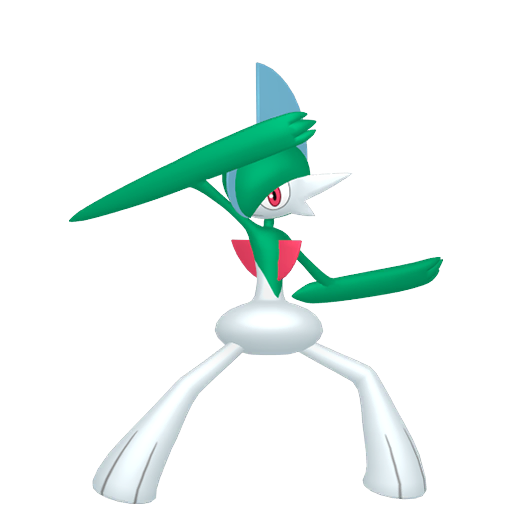
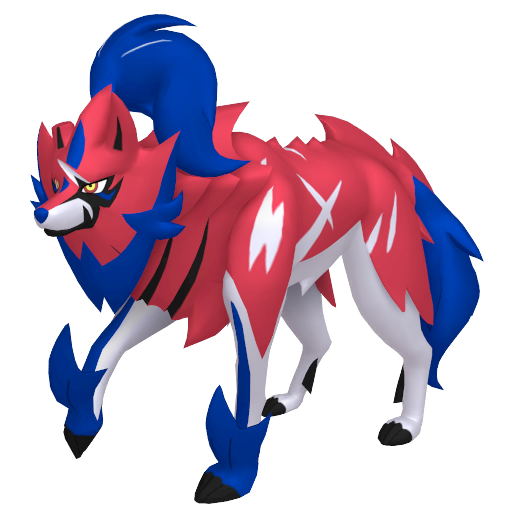
Here's why this matters in concrete numbers. Garchomp uses Earthquake: base power 100, spread modifier ×0.75 in doubles, STAB ×1.5 — effective power lands at 100 × 0.75 × 1.5 = 112.5, and that hits both of your Pokémon at the same time. One Wide Guard erases that entire equation for the turn. Rock Slide is even more punishing to tank raw: base 75 power with a 30% flinch rate per target, meaning if Garchomp and a partner each Rock Slide your two Pokémon, the chance at least one of yours gets flinched approaches 51% — and a flinched damage dealer loses its turn entirely. Wide Guard doesn't just cut the damage; it zeros out the flinch chance too.
Priority +3 means Wide Guard activates before almost every standard attacking move. But there are critical limits: all protection moves — Protect, Wide Guard, Quick Guard — share a failure counter. Use any of them back-to-back and the next one has a 50% chance to fail. Wide Guard also does nothing against single-target attacks, so the opponent can freely aim directly at the user. And Feint is the one hard counter that pierces Wide Guard entirely, lifting the protection so subsequent moves land.
In singles, Wide Guard has zero value — there are no spread moves in a 1v1 context. This is a pure doubles tool.
Who runs it
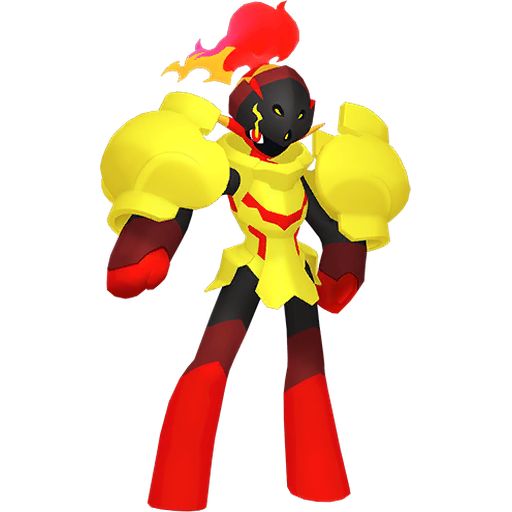
Wide Guard belongs on bulky support Pokémon — specifically those with enough bulk to survive being targeted directly, a role that doesn't demand an attacking move every turn, and enough Speed to not be actively slow (the +3 priority handles the rest).
Top Wide Guard users by usage rate:
-
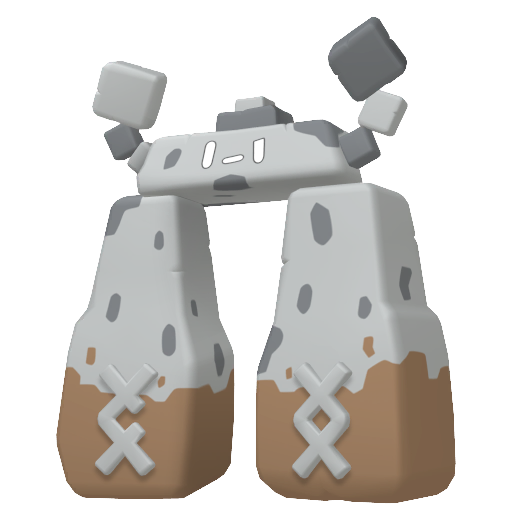
Steelix: ~85% Wide Guard rate. Steel/Ground typing means its own Earthquake hits allies, which makes Wide Guard doubly useful — it blocks the opponent's Earthquake threatening your team while Steelix itself can switch into offense with Body Press off its massive Defense. Sturdy provides a safety net if it gets targeted directly.
-
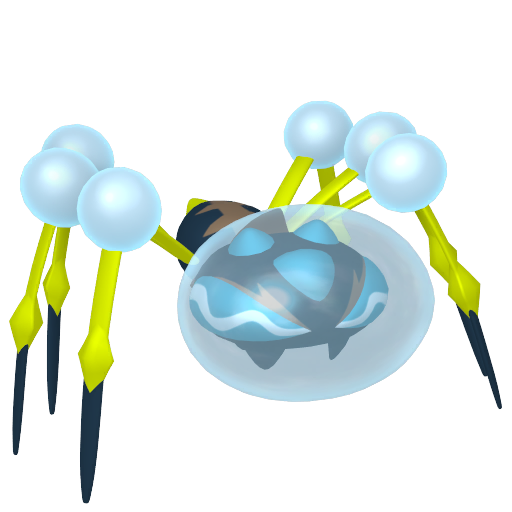
Araquanid: ~83%. Bulky Water/Bug that hard-counters Water-spread teams (Water Spout) and Ground-type cores (Earthquake) in one slot. Water Bubble keeps it threatening on top of the support role.
-
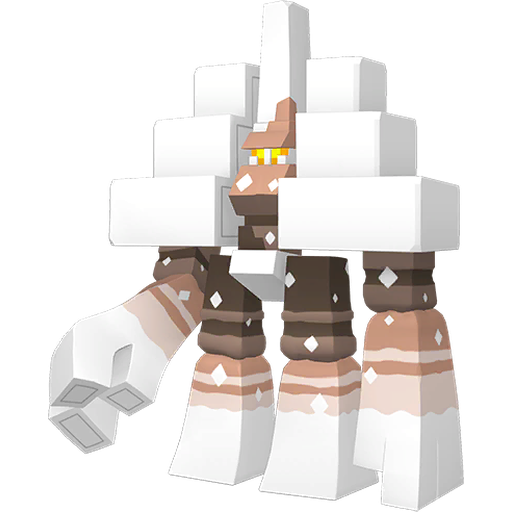
Garganacl: ~66%. Salt Cure chips, Recover stalls, and Wide Guard stops the team from getting spread-blasted before Salt Cure has time to work. Three moves that form a complete support package.
-
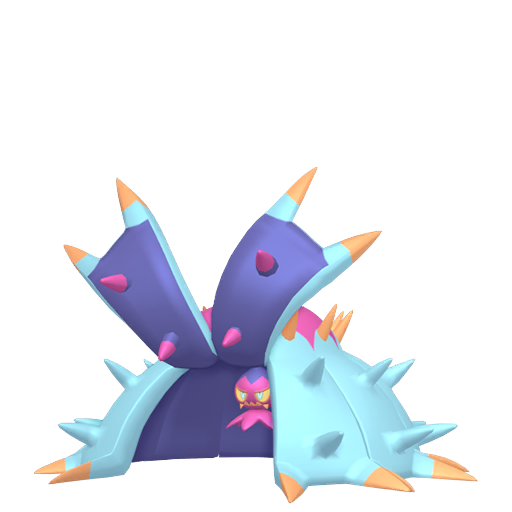
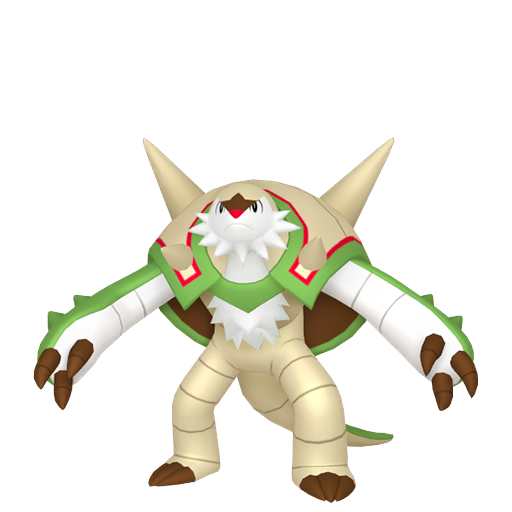
Chesnaught: ~52%. Alternating Spiky Shield and Wide Guard lets Chesnaught manage the protection failure counter strategically — one blocks single-target and punishes contact, the other covers spread. Flexibility here beats running just one protection option.
-
Pelipper: ~44%. Tailwind plus Hurricane plus Wide Guard in one Pokémon covers speed control, spread pressure, and spread defense simultaneously. Among the highest value-per-slot support options in doubles.
-
Toxapex: ~41%. Slow stall tank — Wide Guard buys the extra turns that Toxic needs to reach critical thresholds without the team getting blown out by spread damage first.
Who should NOT run it: glass cannons that can't afford a non-attacking turn, and spread attackers themselves who are exactly what the opponent is trying to shut down with their own Wide Guard.
How to use it
Wide Guard is a read-based blocking tool, not a button you hold down. Every use requires predicting what the opponent is about to do.
Typical turn patterns:
Turn 1: Opponent leads Garchomp + Excadrill — the Earthquake core is openly telegraphed. You use Wide Guard. Their Earthquake hits nothing. Your side is untouched.
Turn 2: Opponent saw Wide Guard, shifts to single-target moves to punish the Wide Guard user directly. Your Wide Guard user switches to Protect (or just attacks), while your partner uses Fake Out or sets up Tailwind — you've bought the space you needed.
Turn 3: Opponent repositions for another spread turn. Do you Wide Guard again? The failure counter matters here: if you used Wide Guard on Turn 1 and Protect on Turn 2, Turn 3 Wide Guard carries a 50% fail chance. The counter does not reset by alternating — it resets only when you use a move that is not a protection move. Factor this into every decision.
Redirect pairing: Follow Me and Rage Powder absorb single-target attacks aimed at your damage dealer. Wide Guard blocks spread moves hitting everyone. Together they cover almost every attack vector and hand your damage dealer a free turn. This redirect-plus-Wide-Guard structure is one of the defining defensive combinations in high-level doubles play.
Tailwind timing: The typical Turn 1 play against spread-heavy teams is Wide Guard while your Tailwind setter moves. Block the opening spread barrage, establish speed control — two things in one turn that swing the next three turns in your favor.
Tips & strategy
Plan your protection turns, don't just react: Wide Guard and Protect share the same failure counter. Two protection moves in two consecutive turns means the second has 50% fail chance. Map out your protection turns before you need them — identify which turns the opponent is most likely to spread, and save Wide Guard for those moments only. Burning it on a turn where the opponent uses single-target moves is throwing a free action.
Common mistake — the "I see a spread Pokémon so I press Wide Guard" reflex: This is the clearest beginner error with this move. The opponent just brought in a Garchomp, so you immediately use Wide Guard — but Garchomp might Dragon Claw a single target this turn, or the opponent double-switches. You wasted a turn and now carry the 50% protection penalty. The fix: read the situation, not just the team preview. Ask yourself: does the opponent have a reason to spread this turn specifically? If they just switched in, probably not. Save Wide Guard for the turn the read is actually strong.
Know your spread threat catalog: In team preview, confirm which spread moves the opponent actually has. Sun teams: Eruption from Torkoal plus Heat Wave as secondary spread. Ground cores: Earthquake plus Rock Slide side-by-side. Hail/snow: Blizzard from Abomasnow or Vanilluxe. The more concentrated the opponent's spread move pool, the higher Wide Guard's ceiling — if they have four spread moves, every turn you use it is potentially decisive.
Hard counters to build around:
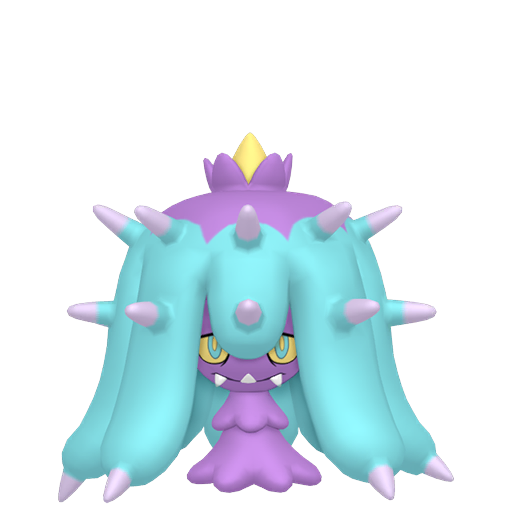
- Feint (priority +2): Pierces and removes Wide Guard entirely, letting follow-up attacks land that same turn. Maushold, Passimian, and Gliscor all see regular Feint usage. If any of these appear in team preview, don't build your defense around Wide Guard as the sole answer — you need a backup plan.
- Direct single-targeting of the user: Wide Guard blocks nothing aimed at the user alone. Once the opponent figures out your Wide Guard user, they may simply pivot to single-target moves and threaten it out of the game, making your protection irrelevant.
- Spread-independent pivoting: If the opponent sees Wide Guard and simply doesn't use spread moves for the next two turns, you're burning the failure counter for nothing. The best Wide Guard users are also useful when they're NOT using Wide Guard — Steelix threatening Body Press, Pelipper setting Tailwind, Garganacl dealing Salt Cure damage.