








What it does
Struggle Bug is a Bug-type special move with 50 base power that hits both opponents in doubles, with each hit carrying an independent chance to lower that target's Special Attack one stage. The damage number is intentionally modest — this move is not on a set to score KOs. It is there to chip and debuff simultaneously across two targets, which no other single action can match.
A Special Attack drop cuts the target's special damage output to roughly 67%. In doubles, where the opponent usually brings two special threats, a single Struggle Bug that lands both drops gives your team an effective damage reduction from both sides for the rest of the game — or until they switch. Even landing one drop is already net positive, because you accomplished it while also dealing chip damage to the other target.
The 'chance' qualifier matters but is less scary than it sounds. Each hit rolls independently, so the probability of landing at least one drop across two targets is meaningfully higher than the per-hit rate. At competitive speed, one drop landed on a key special attacker already changes the damage calc on the following turn.
Who runs it
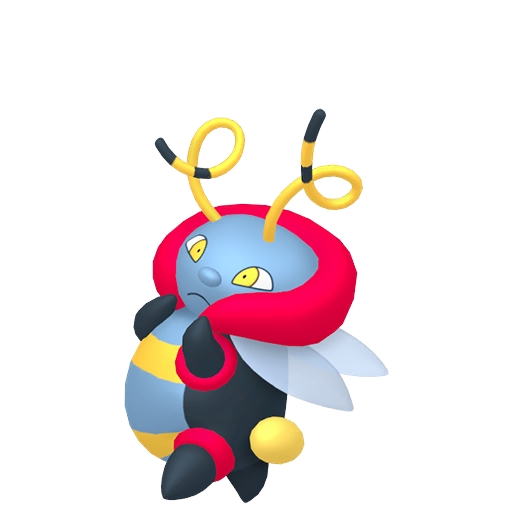
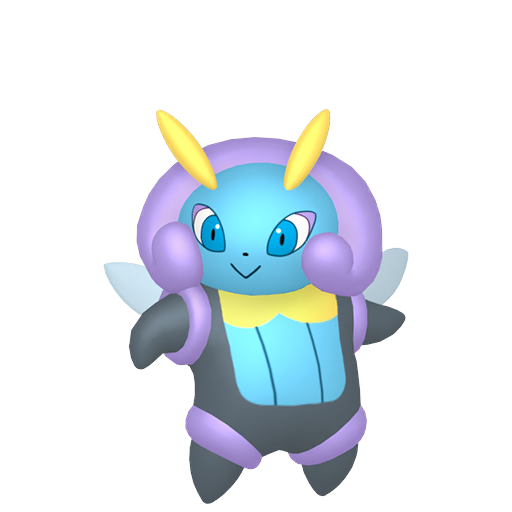
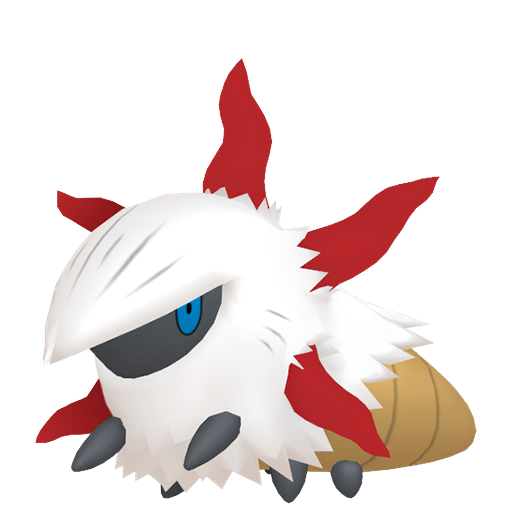
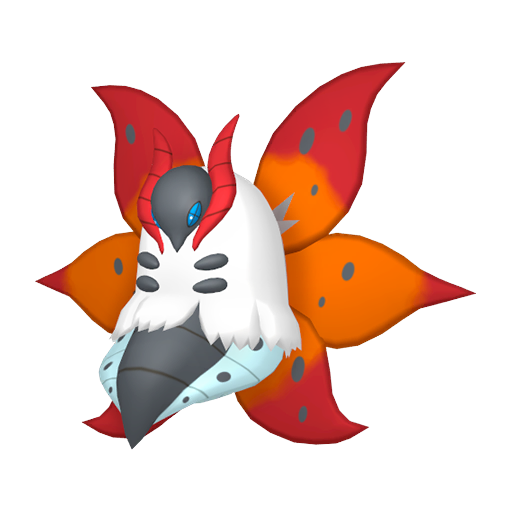
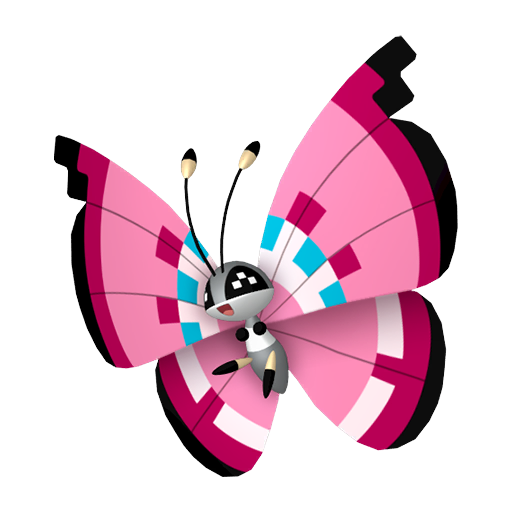
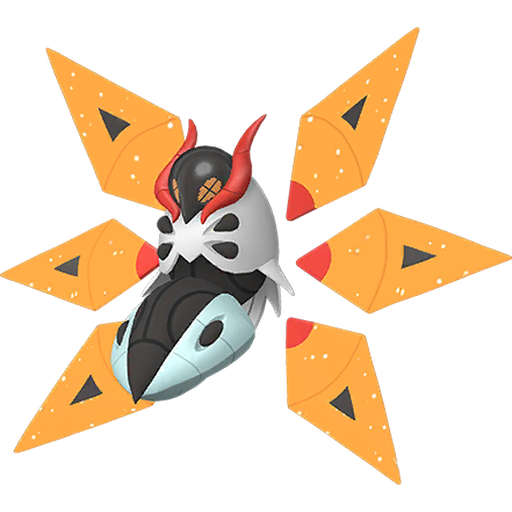
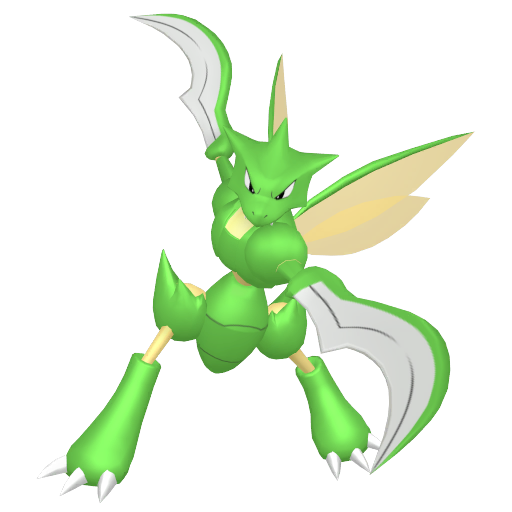
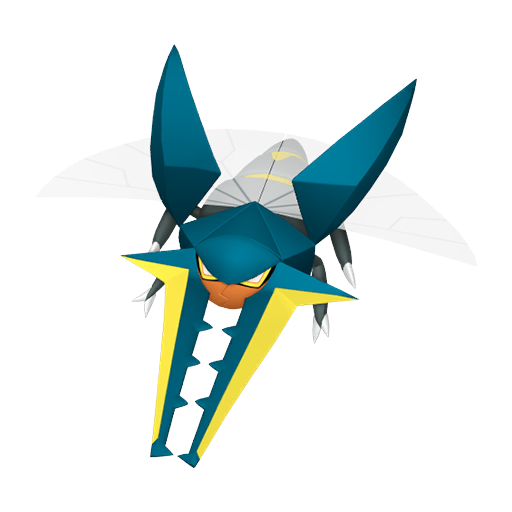
Volcarona (29%) is the most prominent user of this move. Its main damage slots go to Heat Wave and Hurricane, but Struggle Bug fills a utility slot that pays off in specific positions — before Quiver Dance is set up, or when sitting across from a spread of special attackers, it provides defensive spread utility that a fourth damage move would not. It lets Volcarona do something meaningful in defensive turns instead of just clicking Protect.
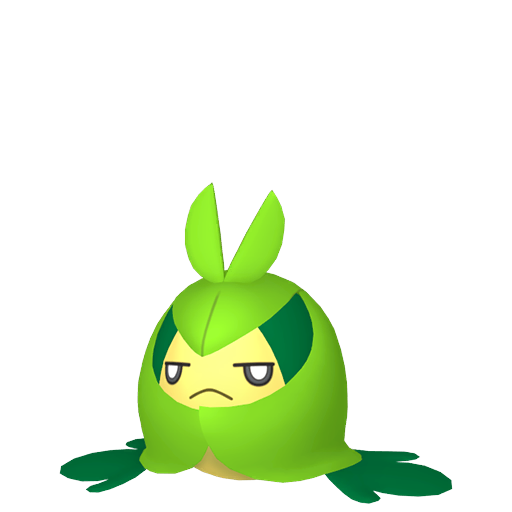
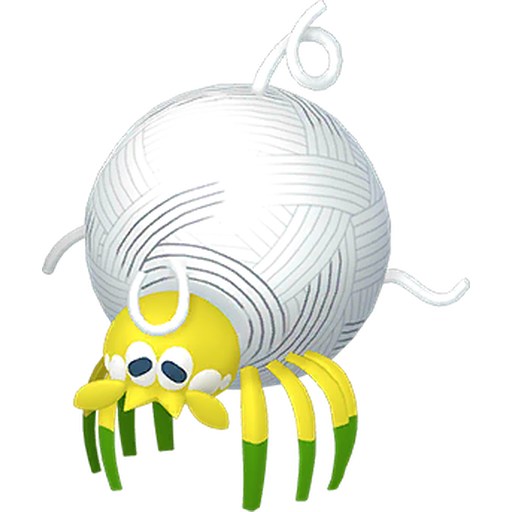
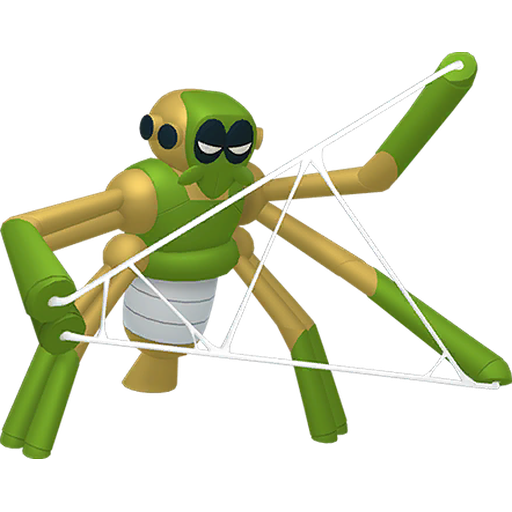
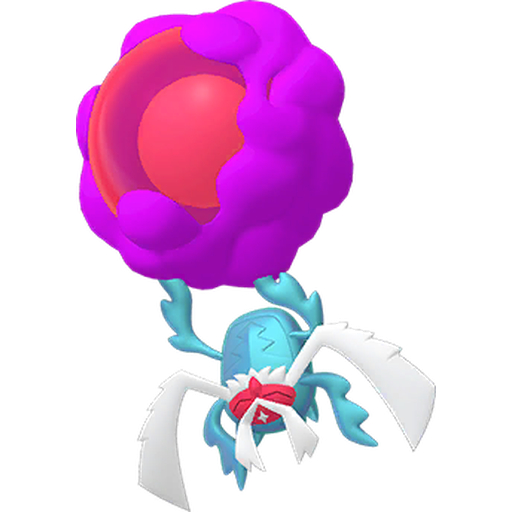
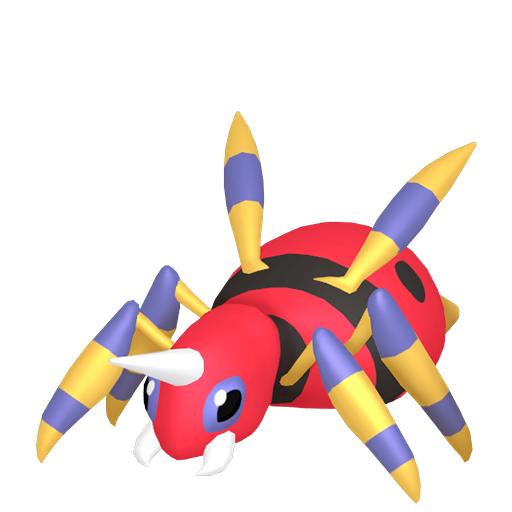
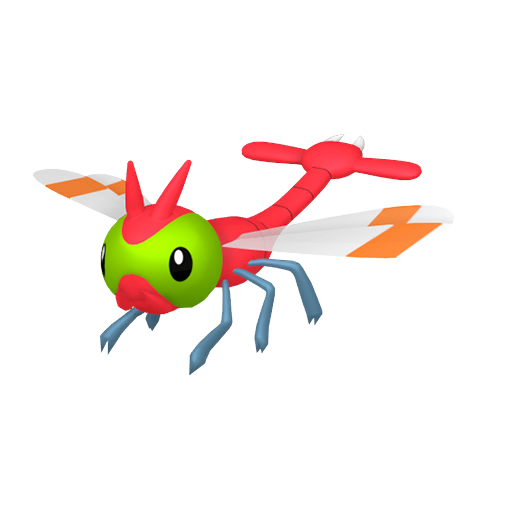
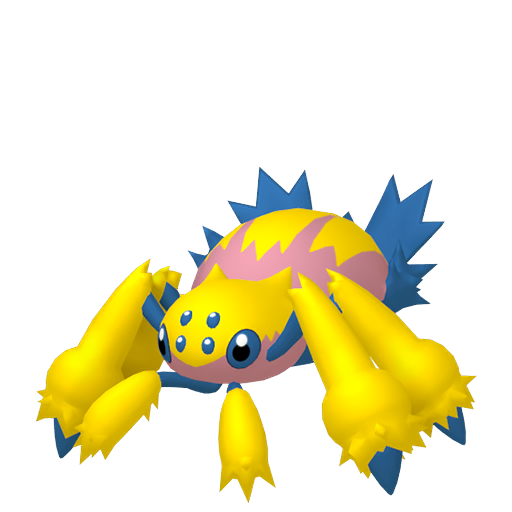
Ariados (37%) is built around support and disruption. It is slow and its damage output is low by design — Struggle Bug fits that profile exactly because it is not being asked to deal damage. Ariados uses it to soften both opposing special attackers in one action, reducing the pressure on its partners and slowing the opponent's tempo, which is the whole point of bringing it.
How to use it
The ideal timing is when both opposing slots are special attackers. After a Protect cycle or in the lead turn, a Struggle Bug into both targets creates an immediate damage gap your partner can exploit on the same turn.
It also works as a combined chip-and-debuff: even at low damage, hitting both opponents while applying the drop chance means that whatever comes in off the bench enters a field that's already been weakened. Opponents often have to play around an existing drop rather than setting up cleanly.
Watch for type resistance. Poison, Steel, Fire, and Flying all resist Bug, and in a meta where these types are common, you will frequently underperform on the damage side. Against resistant targets the Special Attack drop chance still applies, but the chip contribution becomes negligible — factor that in when deciding whether to click it.
Pairing Struggle Bug with speed control like Tailwind means you lower both targets' Special Attack before they act, turning the rest of the turn into one where your side takes reduced incoming damage.
Tips & strategy
Special Attack drops stack. If you landed a drop last turn and land another this turn, the target is at minus two — dealing roughly 44% of its normal special damage. Against a special core that anchor the opponent's damage plan, a two-stage drop is severely disruptive.
One underappreciated angle: opponents rarely build specifically to avoid the Special Attack drop from a spread move. They might resist the Bug typing and take low damage, but the stat drop rolls regardless of type effectiveness. The debuff is the point, and Bug resistance does not block it.
The synergy with Volcarona's Quiver Dance is real. Dropping both opponents' Special Attack with Struggle Bug before clicking Quiver Dance means the opponent's response turn deals less to Volcarona — making the setup window safer than it would be otherwise.