

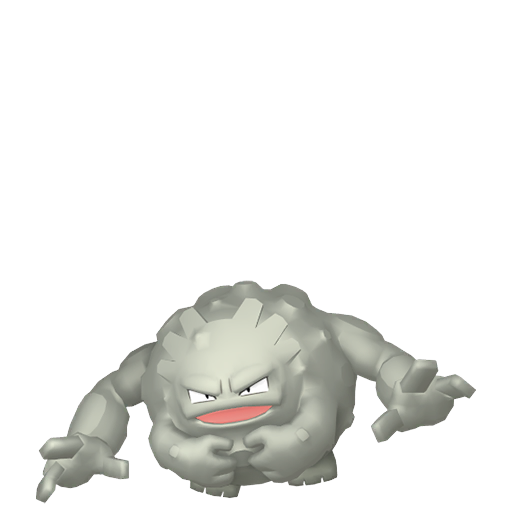
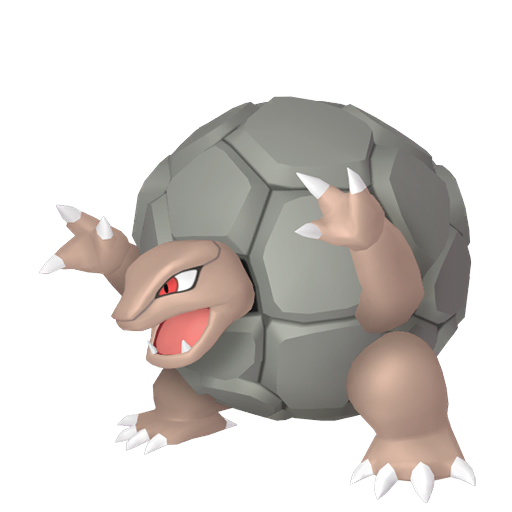
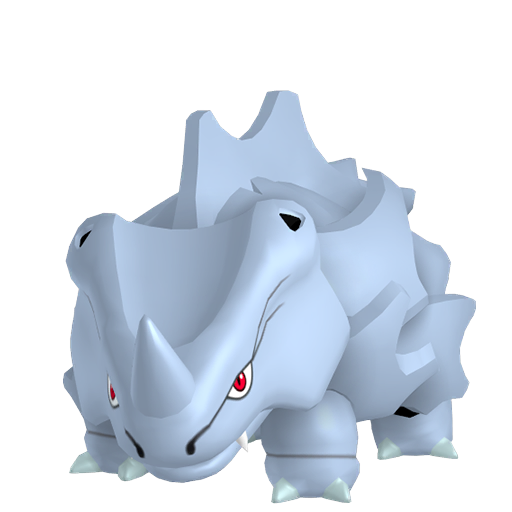
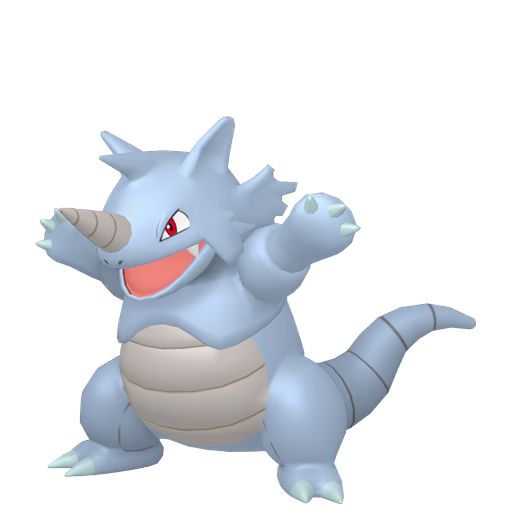










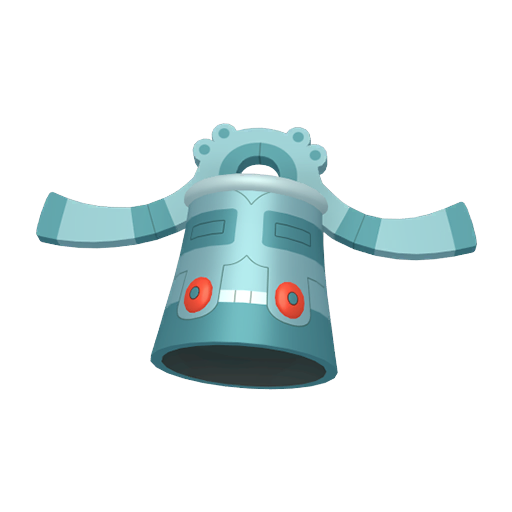


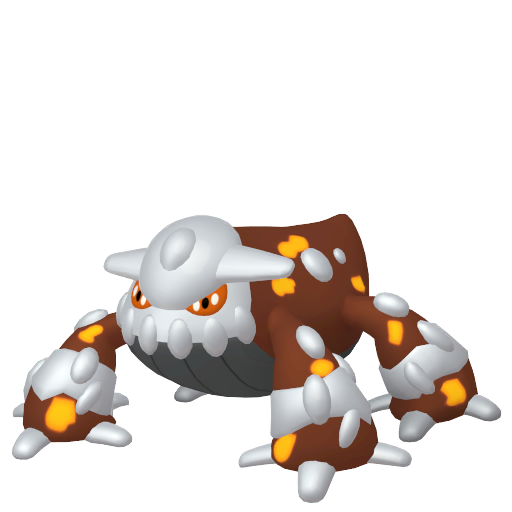
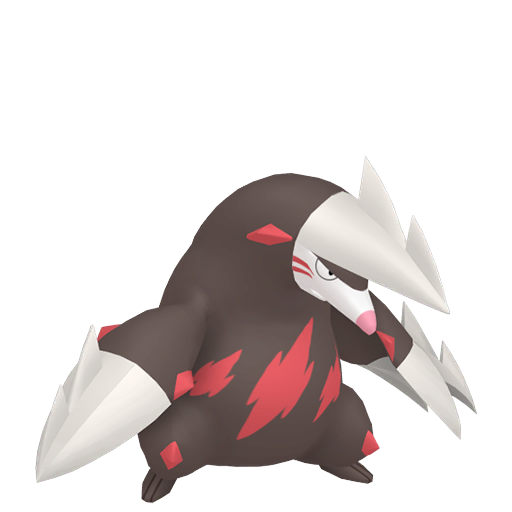
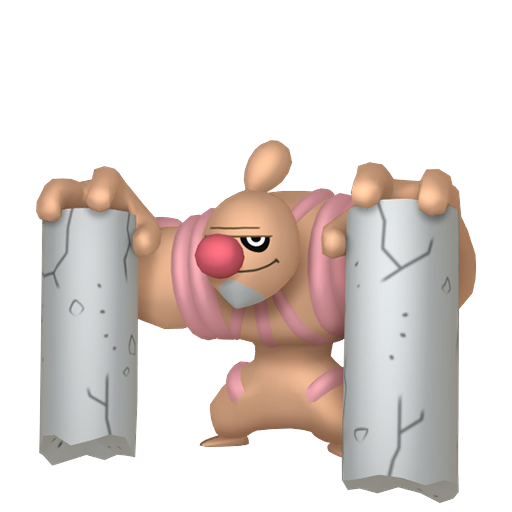





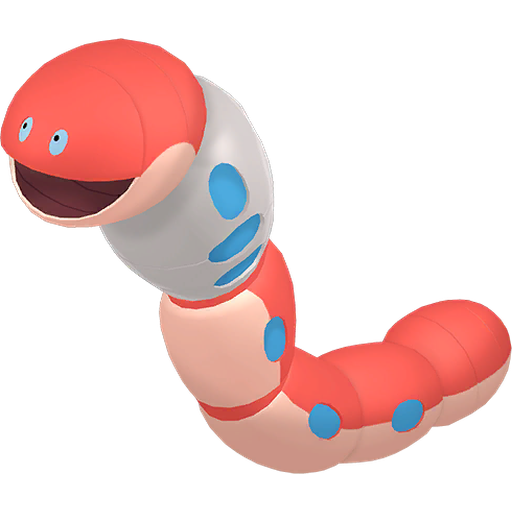


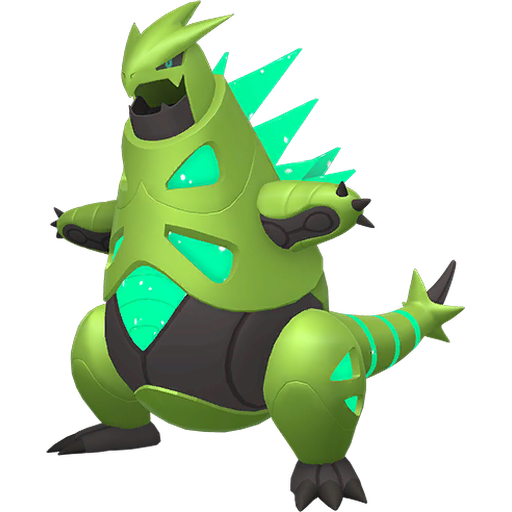
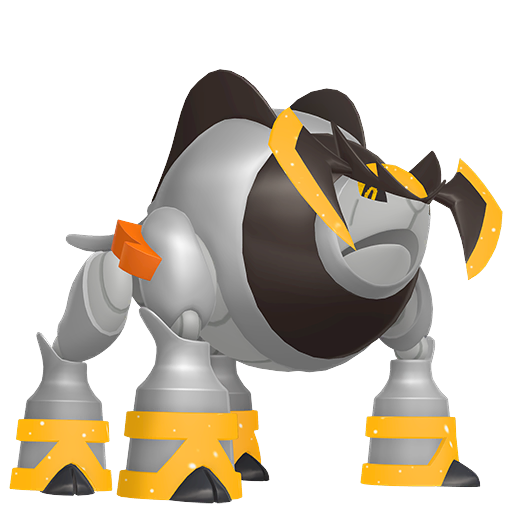
What it does
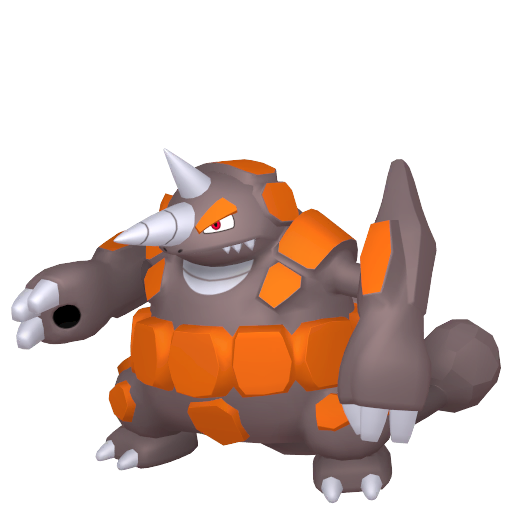
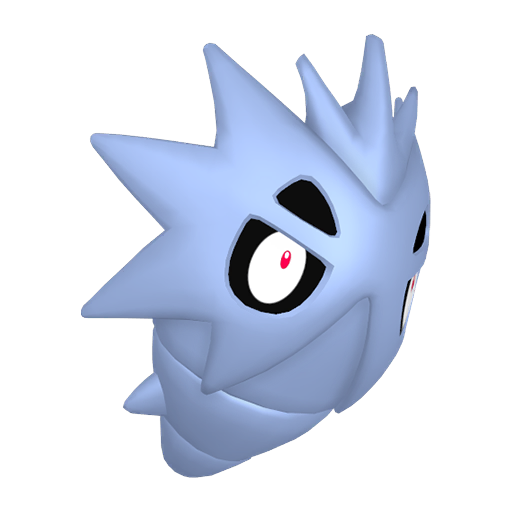
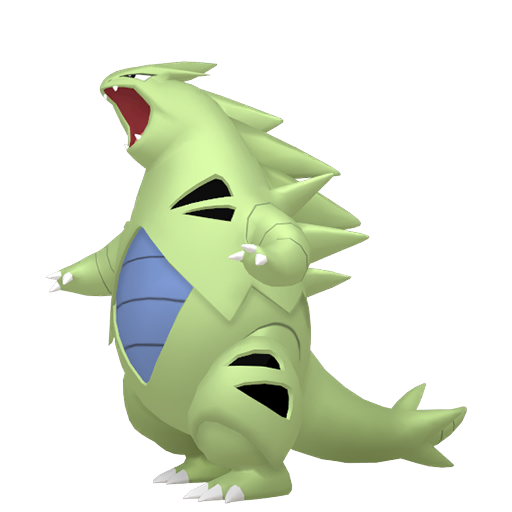
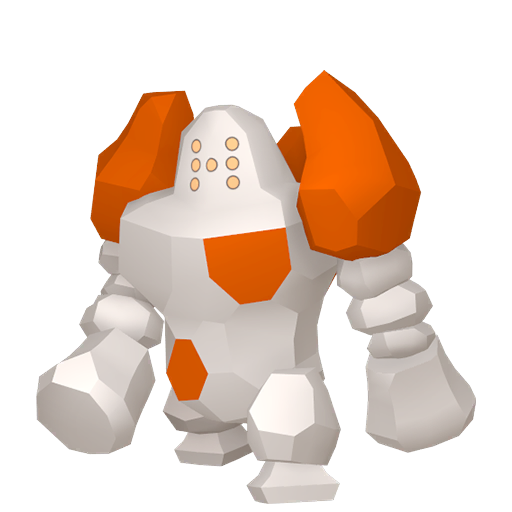
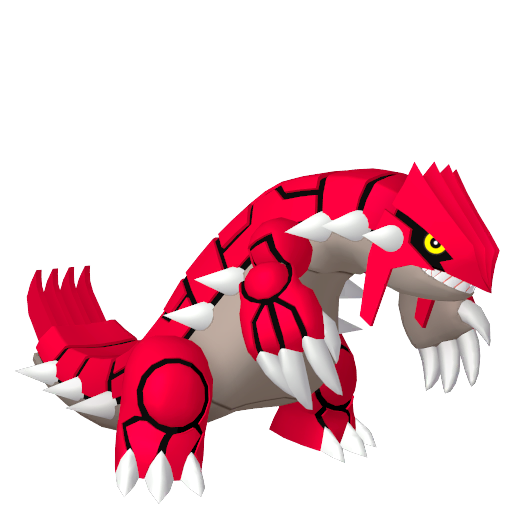
Rock Blast hits 2-5 times in one turn, with each strike dealing damage independently. The distribution is 3/8 for 2 hits, 3/8 for 3 hits, 1/8 for 4, and 1/8 for 5 — so you're averaging 3 hits per use. A single hit isn't all that powerful on its own, but three stacked up is solid, and five is a huge spike.
The multi-hit mechanic has a specific payoff against Focus Sash and Sturdy. The first hit leaves the target at 1 HP; the second KOs it. That's relevant against any defensive setup built around surviving one big hit. Same logic applies to Substitute — if a target has a sub up, Rock Blast can break it and still have hits left to damage the real Pokémon.
The flip side is variance. Rolling 2 hits at a critical moment when you needed 3 is genuinely painful. That's the trade you accept when you run Rock Blast.
Who runs it
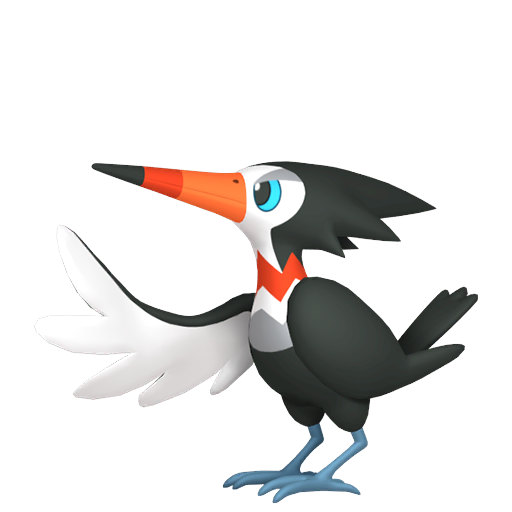
Toucannon runs Rock Blast in Champions at 89% usage. Normal/Flying type with high Attack, and Rock coverage is exactly what it needs to hit Flying, Fire, Ice, and Bug targets for super-effective damage. The Sash-breaking upside adds extra utility against opponents trying to survive on the last pixel of HP.
At 89%, this is basically standard on any Toucannon build.
How to use it
In doubles, target whatever Flying or Fire-type threat you need to deal with — those are the matchups where Rock coverage actually matters. Rock Blast is single-target, so pick the right opponent.
When you know the opponent has a Focus Sash or Sturdy, Rock Blast is your cleaner option over a single-hit nuke. You're not guaranteed to break it — 2-hit rolls exist — but it's more reliable than a move that stops at one.
Have a backup plan for the 2-hit roll. If your partner can clean up what Rock Blast doesn't finish, the variance hurts a lot less.
Tips & strategy
Skill Link locks multi-hit moves at 5 hits always, but Toucannon doesn't use it as its standard ability. No free 5-hit guarantee here.
Work with the expected average of 3 hits when you're trying to calculate whether a KO is likely. Banking on 5 hits is lottery thinking. If the math only works at 4 or 5, consider whether a different move solves the problem more cleanly.