



What it does
Pressure makes every move that targets the holder cost one extra PP. A move normally burns 1 PP per use; aimed at a Pressure Pokémon, it burns 2. In doubles, if a spread move like Earthquake hits the Pressure holder alongside a partner, that move still costs an extra PP for that usage.
The ability is passive from entry, requires no action, and applies all game long. Its value scales with how long you keep the holder alive and how dependent the opponent is on low-PP moves.
High-power moves with small PP pools — Close Combat (5 PP), Flare Blitz (15 PP), Hyper Voice (10 PP) — are the primary targets. Against opponents leaning on those, Pressure starts visibly depleting their resources within several turns.
Who runs it
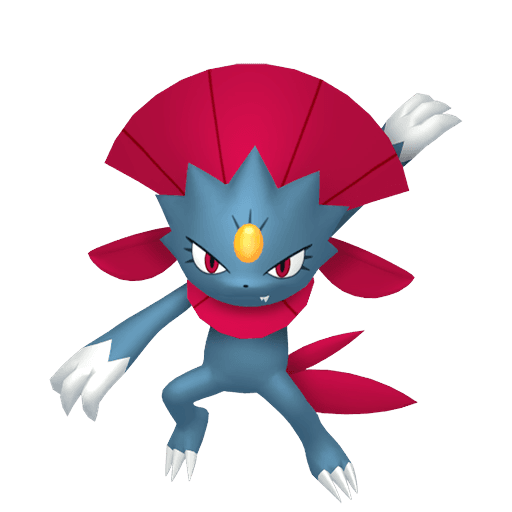
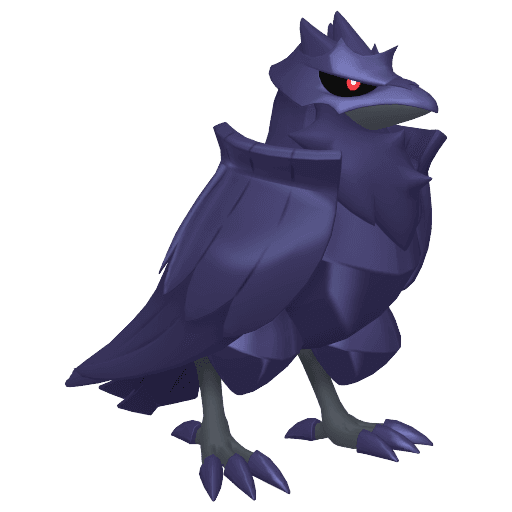
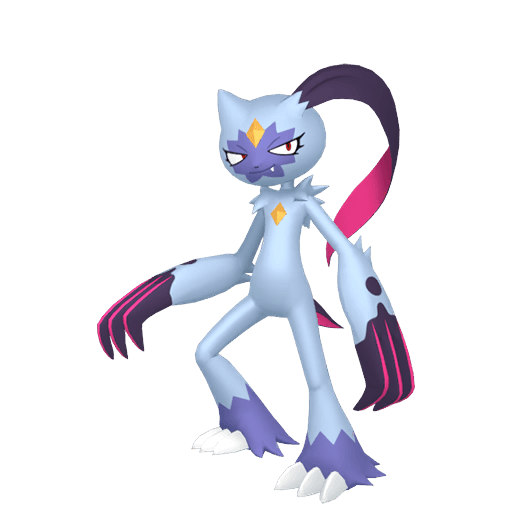
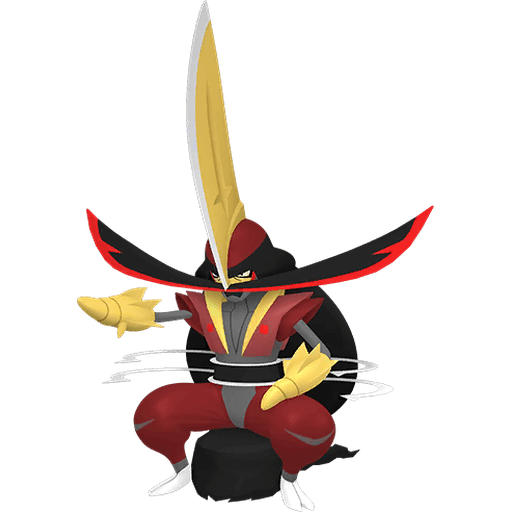
Weavile (56%) is the fastest Pressure carrier in this group and relies on priority and speed to do its job; Pressure is a passive bonus rather than its primary selling point. Spiritomb (45%) has better longevity and stays in the game long enough to accumulate meaningful PP pressure. Absol (10%), Aerodactyl (2%), Corviknight (3%), Kingambit (0%), and Sneasler (2%) all run Pressure at lower rates — for most of them, other abilities or their stat spread is the actual reason for inclusion.
How to use it
Pressure is most effective against opponents with high-reliance, low-PP moves. Identify which of the opposing Pokémon uses one key attack repeatedly, then keep your Pressure holder alive specifically to face it. After several exchanges, the opponent runs short on that move and either has to struggle (which misses half the time and reduces HP) or switch out.
Pairing Pressure with Encore from a partner is a genuine combo — Encore locks the opponent into repeating one move, and Pressure doubles the PP drain of every repeat use.
Against bulkier formats with long games, Pressure accumulates value even without any direct interaction. Just staying alive imposes a clock on the opponent's resource pool.
Tips & strategy
Pressure is a pacing ability, not a burst ability. Don't look for it to do anything in the first few turns. The payoff is in turns 10+, when the opponent's Close Combat or Flare Blitz PP counter reaches a point they didn't expect. That's when they're forced off their normal line.
Pressure is noticeably less useful against moves with large PP pools or against opponents who carry multiple coverage options. It's narrow: it penalizes overreliance, not flexible play.
When building around Pressure carriers in this group, be honest about why the Pokémon is in your team. Weavile and Spiritomb each have real competitive value from their typing, stat spread, or movepool — Pressure is the secondary bonus. Pick the Pokémon for its core role; treat Pressure as extra.