




What it does
Prankster adds +1 priority to every non-damaging move. In the Champions Lv50 format, that means Tailwind, Thunder Wave, Encore, Will-O-Wisp, Reflect, and every other status move is guaranteed to resolve before any standard-priority (0) action, regardless of Speed values.
The numbers that matter. Take Prankster + Tailwind on Whimsicott (base 116 Speed, roughly 181 at Lv50 with a neutral nature). Tailwind fires first. It doubles Speed for your whole side for 4 turns. A partner sitting at base 80 Speed (roughly 148 at Lv50) now runs at ~296 — clearing Garchomp's uninvested Lv50 Speed (~169) by a wide margin and outspeeding virtually everything that wasn't purpose-built as a Speed tier. Those 4 turns of Speed advantage translate directly into 4 turns of attacking first, which in Champions' 85–100% damage range means a chain of KOs the opponent can't respond to.
Thunder Wave is nerfed in Champions: the full-stop rate drops from 25% to 12.5%, but the permanent Speed halving stays. Land it on a base-100-Speed Pokémon (~167 at Lv50) and their Speed drops to roughly 83 — slower than most mid-tier attackers. The value is in that permanent Speed cut, not in rolling the 12.5% stop.
Two hard limits define how the ability is played around. Status moves fail entirely against Dark-type Pokémon when boosted by Prankster — the move does not connect at all. Magic Bounce reflects the boosted move back at the same +1 priority, meaning the Prankster user gets hit by its own status first. Both of these are exploitable by a prepared opponent.
Who runs it
Prankster belongs to exactly one archetype: dedicated support leads whose entire value proposition is "effect lands on turn 1, no negotiation."
-
Whimsicott: The format's most recognizable Prankster user. Priority Tailwind into a damage dealer is the cleanest doubles speed-control line. Fairy typing means it resists Dark and Fighting, and its offensive tools (Moonblast) let it threaten Dark types that would otherwise blank its status moves. Often runs Focus Sash so it guarantees Tailwind even when threatened KO on turn 1.
-
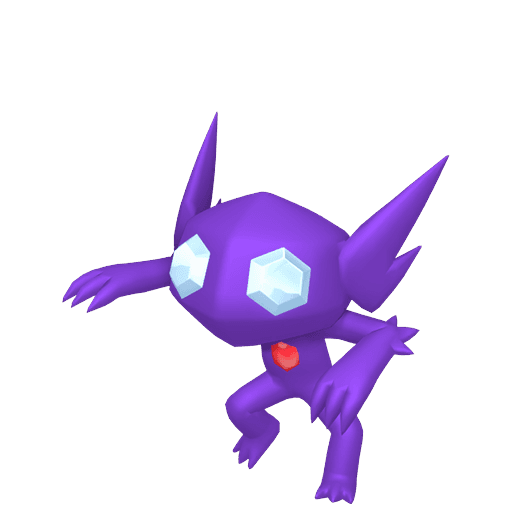
Sableye: Three priority disruption tools — Encore, Will-O-Wisp, Disable — on a Ghost/Dark type that's immune to Fighting and Normal. Priority Will-O-Wisp against a physical attacker halves their Attack on the spot (Champions' burn halves physical Attack) and drains 1/8 HP per turn. Rain teams and defensive-anchor builds rely on it constantly. When Magic Bounce is on the opposing team, Sableye drops the status moves entirely and uses Foul Play instead.
-
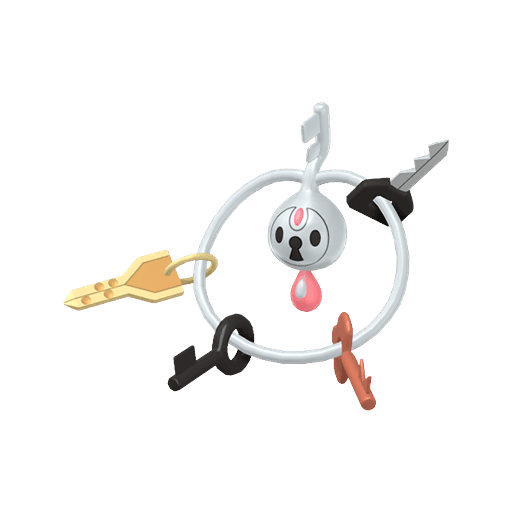
Klefki: Priority Reflect + Light Screen in one slot, plus priority Thunder Wave as bonus disruption. Steel/Fairy resists a wide spread of types and switches in cheaply. Getting both screens up on turn 1 gives a physically and specially bulky turn-1 setup that can keep a slow sweeper alive long enough to do its job. Nearly all Stat Points go into HP and mixed bulk — Speed is irrelevant.
-
Meowstic (Male): Priority Fake Out flinches a target on turn 1, letting a partner act freely. In Expanding Force compositions, Psychic Terrain from Meowstic's moveset also boosts Psychic-type damage. Each turn of priority Fake Out is effectively a free action for a damage dealer.
-
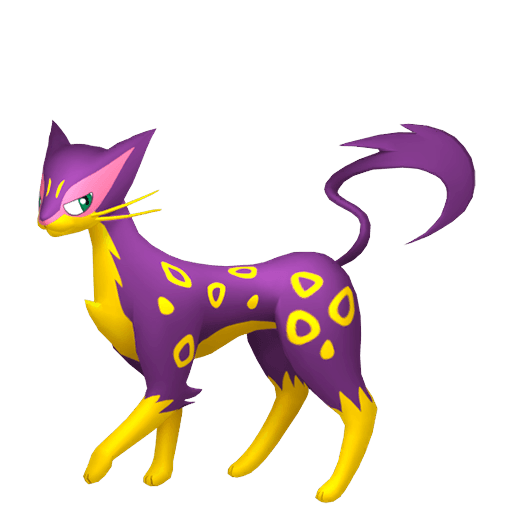
Liepard: Priority Fake Out, priority Encore, and priority Thunder Wave concentrated on one Pokémon with near-zero bulk. Focus Sash is mandatory — it needs to survive one hit to do anything at all. The payoff is three different priority disruption angles from a single slot.
How to use it
Doubles core sequence — priority Tailwind into a KO chain. Turn 1: Whimsicott fires priority Tailwind, partner attacks simultaneously. The opponent's normal-priority attack resolves after the Tailwind already went up. From turn 2 onward, your side moves first every turn for 3 more turns. Against balanced or slower builds, those 4 turns are often enough to close the game. Watch the turn count and decide by turn 3 whether to re-establish Tailwind or shift to a different angle.
Priority Encore to freeze their setup. The opponent sets weather, Trick Room, or a stat boost. Next turn, priority Encore locks them into that same move for up to 3 turns. They either repeat a now-useless action or switch out — either way, they lose tempo. The trigger condition: Encore only targets the opponent's last move used, so it requires they used any move (including an attack). It does not work on Pokémon that haven't acted yet, and it won't target a Dark type through Prankster.
Priority Will-O-Wisp to neuter a physical threat. A physical attacker switches in. You use priority Will-O-Wisp — it lands before the physical move connects, and the halved Attack takes effect that same turn. In singles, the burn lasts the rest of the game and permanently neutralizes their damage output. No Speed comparison needed.
Singles vs. doubles. In singles, switching is costless — a player Encored into a setup move just pivots out, ending the lock. Priority Encore's value is lower here. Priority Will-O-Wisp and priority Taunt are stronger single-target tools in singles because their effects persist through switches (burn stays on the Pokémon; Taunt ends on switch but punishes stall during it). In doubles, support effects instantly cover two Pokémon and opponents can't pivot as freely, which is why Tailwind and screens have higher return there.
Decision logic. Does the opponent have a Dark type? Identify it in Team Preview and plan alternate moves for when it's active. Is there a Magic Bounce user? Drop status moves against it entirely; attack instead. Is the opponent going for Trick Room on turn 1? Priority Encore or priority Taunt preempts it.
Tips & strategy
The most common beginner mistake: targeting a Dark type with a Prankster status move. You see Tyranitar or Umbreon across from you, and muscle memory says "use priority Will-O-Wisp." The move fails, the turn is gone, and your position deteriorates. The fix is simple but requires active effort: mark every Dark type in team preview before the battle starts, not mid-game. When a Dark type is in play, switch to attacking moves immediately — Foul Play from Sableye, Moonblast from Whimsicott.
Magic Bounce is the sharpest counter. If the opponent fields a Magic Bounce user, every Prankster status move gets reflected at +1 priority — meaning it lands on your own Pokémon first, before anything else that turn. A priority Will-O-Wisp aimed at a Magic Bounce Pokémon burns your own Prankster user immediately. Spot Magic Bounce in team preview. Once that Pokémon is active, treat it as a dead zone for status moves and go physical or special instead.
Taunt hard-counters Prankster completely. Once Taunted, all status moves fail, and with them every source of Prankster value. Mental Herb auto-cures Taunt once, giving you one clean support turn before you need another answer. It is close to mandatory on Whimsicott and Sableye. If the opponent has their own Prankster user with priority Taunt, the faster Pokémon wins the mirror — which is one of the few reasons Prankster support leads care about their own Speed stat at all.
Keep at least one attacking move. Four move slots are limited, and an all-status set becomes a liability when Encored into a move that's already been used. Sableye runs Foul Play, Whimsicott runs Moonblast — not just for coverage, but as insurance against being locked into an irrelevant status move.
Reframe how you use Thunder Wave in Champions. The 12.5% full-stop rate is real but too low to build around. Priority Thunder Wave earns its slot by permanently cutting a faster threat's Speed in half — the Speed cut alone is the point, not the paralysis flinch. When your damage dealer needs to outrun a specific target, a single Thunder Wave can be the difference. Use your priority turns on Tailwind and disruption first; reach for Thunder Wave only when the Speed gap itself is the obstacle.