





What it does
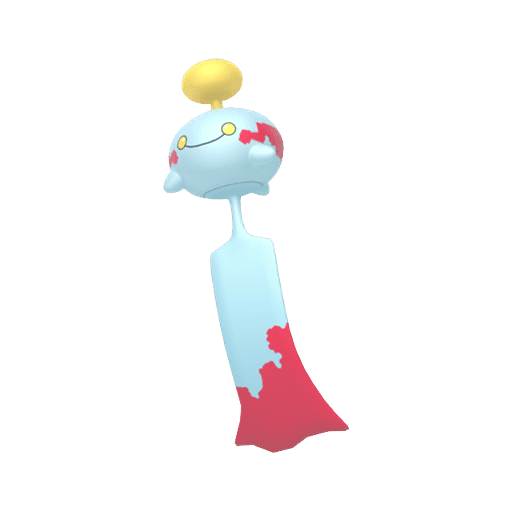
Levitate grants complete immunity to every Ground-type move: Earthquake, Earth Power, Bulldoze, Magnitude — all of them, no exceptions. The user also floats above Spikes, Toxic Spikes, and Sticky Web, skipping their chip and effects entirely. Stealth Rock is Rock-type, not Ground — it still connects on switch-in. That distinction trips up a lot of players.
The obvious comparison is Air Balloon. Both grant Ground immunity, but Balloon shatters on the first contact hit and the Pokémon is grounded for the rest of the game. Levitate is permanent unless suppressed by Gravity, Smack Down, or Thousand Arrows.
Here's the number that actually matters in doubles: a spread Earthquake in doubles deals ×0.75 damage to each target. For a Levitate user, that figure is 0 — every single turn. The delta between "partner takes 75% damage" and "partner takes 0" accumulates fast. In singles the math is simpler: many physical cores rely on Ground coverage to threaten Steel and Electric types. A Levitate user ignores that line entirely, forcing the opponent to either burn a different coverage move or pivot out.
Who runs it
Latios and Latias (Eon duo): Dragon/Psychic typing would normally give a Ground weakness (Ground hits Dragon ×1, not neutrality — still a live threat from high-power users). Levitate removes that threat. Both keep Levitate after Mega Evolution via the Omni Ring and their respective Mega Stone, so the ability never changes on Mega. These two already win games by switching in safely and pivoting — losing one weakness axis means every switch-in carries less risk.
Flygon (Trapinch line): Dragon/Ground type, which by chart means Ground moves hit at ×1 (same-type partial cancellation). Levitate converts that neutrality into full immunity, erasing the entire Ground attack line from Flygon's list of worries. Compare to Garchomp: no Levitate, takes Ground STAB normally. Two Pokémon with similar roles, opposite Ground-move survival profiles.
Bronzong (Bronze Bell): Steel/Psychic normally carries Ground ×2 and Fire ×2. Levitate drops Ground to immune, leaving Fire as the sole weakness. That changes Bronzong from a wall with two exploitable angles to a wall with one — a significant difference in how opponents target it. With only one weakness to worry about, Bronzong runs Leftovers or Sitrus Berry comfortably, rather than burning the item slot on a balloon.
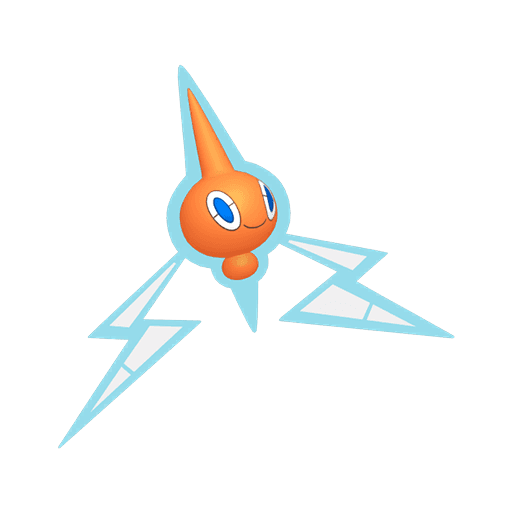
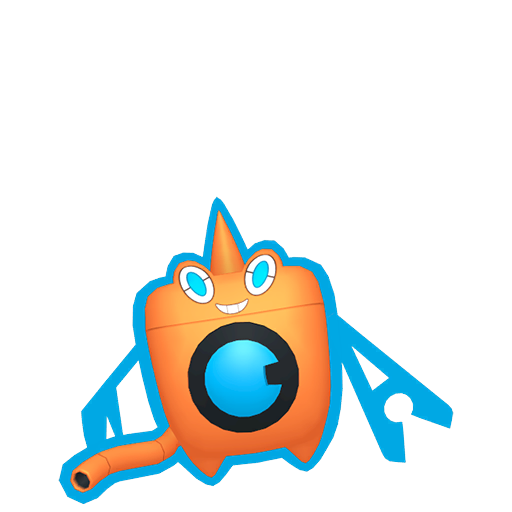
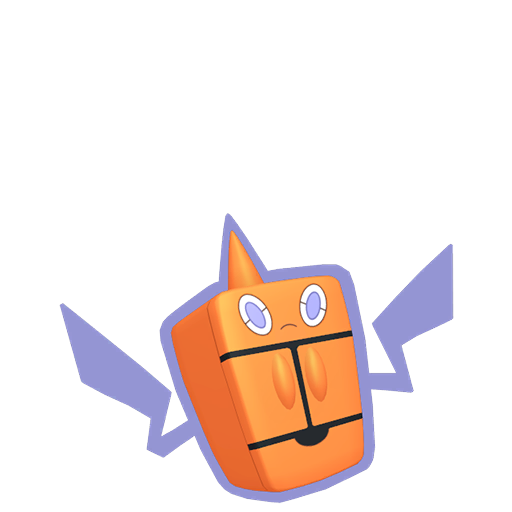
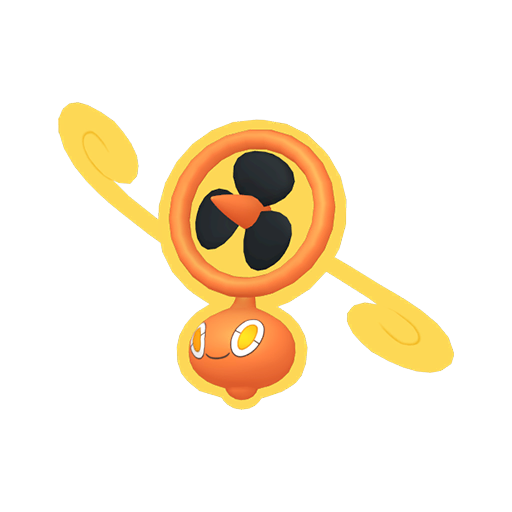
All Rotom forms: Every appliance form is Electric plus a secondary type, all with Levitate locked. Electric has a Ground ×4 weakness (double weakness). Levitate deletes it. A ×4 weakness becoming immune is not incremental — it's a structural change in how the Pokémon functions.
The Mega Gengar trap: Gengar has Levitate in its base form. Mega Gengar's ability changes to a Mold Breaker variant (Shadowless), and Levitate is gone — Ground moves hit normally. This is addressed in detail below.
How to use it
Doubles: building the Earthquake safe slot. The core pattern: pair a high-power physical attacker that uses Earthquake (Landorus, Excadrill, Garchomp) with a Levitate user. When a Ground-weak target appears on the opposing side, your attacker fires spread Earthquake. The Levitate partner takes zero damage. The two opposing Pokémon take full spread damage. No positioning, no timing, no extra setup required — the immunity is always on.
Versus using a Flying-type as the safe slot: Flying is also Ground-immune, but Gravity grounds Flying types too. On that point they're equivalent. Flying types carry additional weaknesses (Rock ×2, Ice ×2 for many) that Levitate users typically don't share, depending on species. Levitate users also don't lose their immunity to strong winds or weather manipulation that affects Flying positioning in some edge cases.
Decision framework when the opponent has a Ground-type attacker:
- Opponent's Earthquake user is on-field and not controlled → switch in Levitate user, absorb the move for free, force a pivot or wasted turn
- Opponent has a Gravity user (Cresselia is the common one) visible on team → do not rely on Levitate; have a Taunt user, priority move, or a second defensive option ready for those 5 Gravity turns
Singles: managing switch-in costs. Spikes deal 12.5% per layer (one layer), up to 25% at three layers. Toxic Spikes poison on one layer, badly poison on two. A Levitate user skips every one of those numbers — switch in freely, no chip. Over a long game, a Pokémon that enters at 95–100% HP repeatedly instead of 70–85% HP is a meaningful survivability difference. Stealth Rock still hits, so Levitate is not "hazard immunity" broadly — it is "Ground-type hazard immunity" specifically.
Tips & strategy
Gravity is a hard counter. During its 5-turn window, every Pokémon on the field is grounded, Levitate included. Spikes, Toxic Spikes, Sticky Web, and Ground moves all apply normally. The classic Gravity + Earthquake double-team is a well-known counter to Levitate cores. If your team is built around a Levitate pivot, you need an answer to Gravity turns — Taunt to prevent Gravity setup, a fast attacker to eliminate the Gravity user before it fires, or a secondary pivot that doesn't rely on Ground immunity for those 5 turns.
Smack Down vs Thousand Arrows — two different mechanisms. Smack Down hits a Flying or Levitate user and applies the Grounded status; the user doesn't take Ground damage that turn from Smack Down itself, but from that point forward is grounded until it switches out. Thousand Arrows is different: it pierces Levitate on the attack itself, deals damage immediately, and applies Grounded afterward. One grounds then attacks, the other attacks through the immunity directly. Both matter, but Thousand Arrows is faster to punish.
Mold Breaker ignores Levitate outright. Any attacker with Mold Breaker, Teravolt, or Turboblaze hits a Levitate user with Ground moves as if the ability didn't exist. Mega Excadrill is the most prominent example — it fires Earthquake through Levitate with no immunities granted. Check opposing team composition for Mold Breaker users before committing a Levitate user to that matchup.
Common-mistake autopsy — Mega Gengar: The scenario plays out like this. A player builds a team with Gengar, relying on its Levitate for Ground immunity. Mid-battle, they trigger Mega Evolution via the Omni Ring. Mega Gengar's ability is no longer Levitate — it's a Mold Breaker variant. The player then switches Mega Gengar into an Earthquake user expecting immunity, and it gets hit for full damage. The loss is double: HP gone, and the Mega slot is irreversible. The fix is mechanical: before switching into anything Ground-related, check the current form. Levitate belongs only to base Gengar.
Second common mistake — Stealth Rock. Players assume Levitate means "hazard-free." It means "Ground-type hazard-free." Stealth Rock is Rock-type and deals 12.5% to 50% per switch-in depending on type matchup (Dragon-types take 25%; Fire/Flying types take 50%). A Levitate Dragon-type still drops 25% on every switch-in against a Stealth Rock team. Keep hazard removal or at minimum track the chip — Levitate doesn't eliminate hazard math, it only cancels the Ground-type portion.
In Ranked Battles doubles, Levitate's true value isn't purely defensive. It's that your Earthquake user gains an effectively free action every turn the Levitate partner is on-field — no need to recalculate, redirect, or sacrifice positioning. Tempo advantage from "my partner can always throw spread Earthquake" compounds across a best-of-three set faster than most players account for at team-building time.