
















What it does
Howl raises the user's Attack by one stage. In doubles, it also simultaneously raises the ally Pokemon's Attack by one stage. That's the entire reason to run this over Swords Dance: one action boosts two physical attackers instead of just you.
Versus Swords Dance (two stages, self only): if your partner is a physical attacker who also benefits from the Attack boost, Howl gives you one stage each, for a combined two stages of offensive uplift from one move. If both Pokemon attack immediately after, the net damage across both slots is higher than what Swords Dance alone provides.
Who runs it
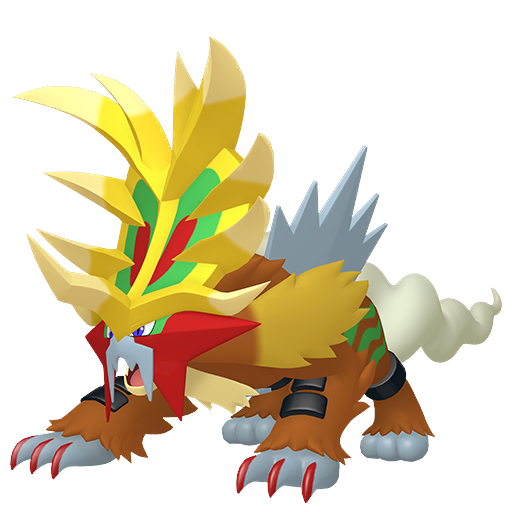
Arcanine (6%) uses it in support-leaning sets. Arcanine in doubles is often more of a utility piece than a pure attacker — Intimidate on entry, support options, and then some direct contribution. At 6% adoption, Howl isn't a default choice, but in teams built around a physical sweeper that needs just one Attack boost to reach KO ranges, Arcanine can use Howl to push both itself and the sweeper over the threshold simultaneously.
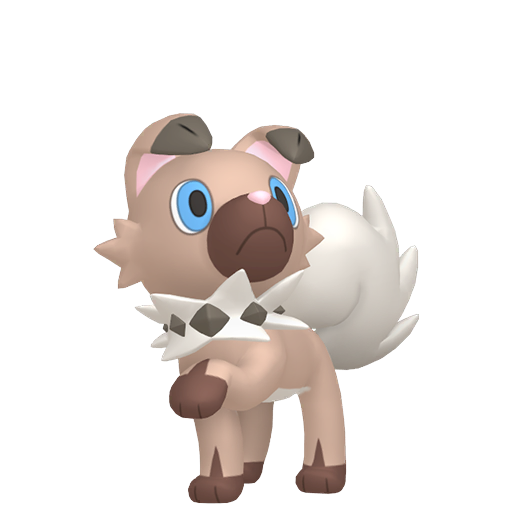
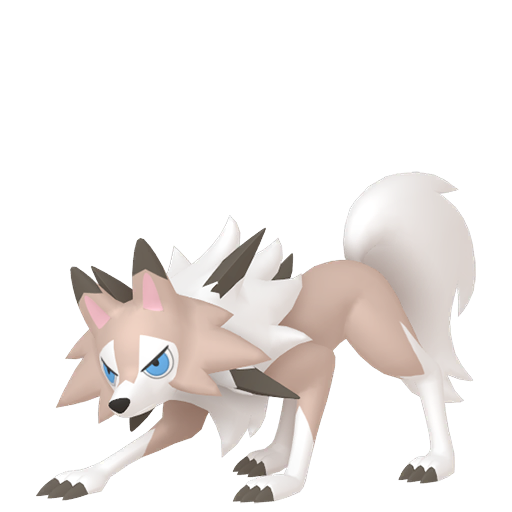
Lycanroc (5%) at low adoption rate uses it situationally. Lycanroc is fast, so it can sometimes move first and get Howl out before the opponent can pressure it. In specific team structures where it pairs with another physical attacker, one-turn setup before the offensive push can be the intended play.
How to use it
Pick safe turns: The best Howl turn is one where the opponent can't effectively hit you — opponent is locked by Fake Out, redirected by Follow Me, or using Protect themselves. Free setup is free setup: zero cost, two Pokemon boosted.
Protect coordination: Your Howl user often needs a Protect turn first to not be knocked out immediately. The next turn, Howl while the partner threatens. Opponents face a difficult choice: waste moves on the protected user, or deal with the partner that's about to swing with a boosted Attack.
Partner must be physical: The doubles bonus only raises Attack. If your partner uses Special Attack, Howl is just a worse Swords Dance for you. Confirm your partner is a physical attacker before committing Howl to your moveset.
Tips & strategy
Why adoption is low: Setup moves rarely earn a slot in doubles to begin with, and Swords Dance is available as a two-stage alternative. Howl's partner boost is genuinely strong when the conditions are right, but it requires both physical attackers to benefit from the turn and a safe window to use it. When those conditions aren't met, it's just a one-stage self-boost that's strictly weaker than Swords Dance.
Countering Intimidate: If the opponent's Intimidate drops your Attack by one stage, using Howl immediately brings you back to neutral while giving your partner a free +1. Net result: opponent's Intimidate effectively gave your partner an Attack boost. That's one of the most natural uses of Howl in doubles.
Don't bring it to singles: In singles, Howl raises Attack by one stage — strictly less than Swords Dance's two stages. There's no partner boost in singles. If you need setup in a singles-adjacent mode, Swords Dance is always the better call.