













What it does
Final Gambit deals Fighting-type special damage equal to the user's remaining HP, then the user faints. This is unconditional — if the move fails (target is immune, target uses Protect, move misses), the user still faints. You will always lose the Pokémon once you click this.
The damage is not calculated from the user's Special Attack. It's a direct HP-to-damage conversion: whatever HP you have when you click it, that's the number the target takes. Full HP means full damage; chip damage before using it reduces the output. This is different from almost every other damaging move in the game.
Fighting-type matters: super-effective against Rock, Steel, and Ice; immune for Ghost; resisted by Bug, Poison, and Flying. This type chart is the first thing to check before committing.
Who runs it
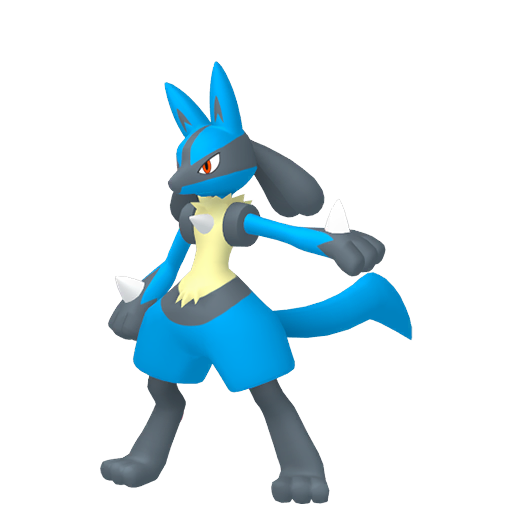
Lucario runs Final Gambit at 53%, and this is the stat that tells the story. Lucario already has solid offensive tools — Fighting STAB, Steel typing, access to coverage. But in doubles, the scenarios where you want Final Gambit are specific: there's a tanky, Ghost-immune threat you can't comfortably KO through standard attacks in time, and you're willing to sacrifice Lucario to remove it.
Lucario's HP total — while not extreme — is respectable enough that a full-HP Final Gambit can one-shot or critically wound a wide range of targets. When the math doesn't work with normal attacks, this move turns the HP bar into a direct solution. It's a problem-solver for defensive walls and setup threats that would otherwise cost multiple turns to handle.
How to use it
In doubles, every Final Gambit is a one-way trade. You permanently remove Lucario from the field; in exchange, the target takes Fighting damage equal to whatever HP Lucario had. The judgment call is whether that trade is favorable: does removing this threat give your remaining Pokémon enough runway to win?
Using it at full HP maximizes the damage. But the timing matters as much as the HP value. Don't panic-click Final Gambit into the first threatening target you see — wait for a situation where sacrificing Lucario actually closes the game or opens a win condition for your partner.
Two hard rules: never use Final Gambit against a Ghost-type (the move fails, Lucario still faints — you lose Lucario and deal no damage), and always check if the opponent has Protect queued. Protect against Final Gambit is a complete waste — Lucario dies, zero damage lands.
Tips & strategy
Your partner's ability to carry the game after Lucario is gone is the constraint that governs when you use this move. If your remaining Pokémon can close out a weakened opponent, Final Gambit into their biggest threat is the right call. If your partner still needs Lucario's support to win, hold it.
The threat itself has value even unexplayed. An opponent who sees full-HP Lucario on the field knows Final Gambit is live. They'll avoid exposing Fighting-weak targets, which can push them into suboptimal switches. Sometimes the shadow of the move is worth more than the move.
There's also a desperation line: when Lucario is already heavily damaged and will likely faint next turn regardless, Final Gambit converts remaining HP into guaranteed damage instead of letting the opponent KO it for free. Even 100 HP at low health beats doing nothing.
Remember the type chart: when the target is Rock, Steel, or Ice, the Fighting-type multiplier means full-HP Lucario can one-shot targets well above its 'usual' KO thresholds. Ice-type walls that expect to wall Lucario's coverage moves don't expect to eat their own HP in Fighting damage.