






What it does
Extreme Speed is an 80-power Normal physical move with +2 priority. Every common priority move — Aqua Jet, Mach Punch, Bullet Punch, Ice Shard — sits at +1. Sucker Punch is also +1 and comes with a condition on top of that. Extreme Speed's +2 means it acts before all of them within the same turn, giving you a double safety cushion: you move before regular attacks AND before every other priority user on the field.
What that looks like in real numbers. Take Mega Lucario at Lv50 with 32 Stat Points in Attack. After Mega Evolution via the Omni Ring and Lucarionite, its Attack rises to a base stat of 145 and Adaptability kicks in — Normal STAB climbs from the standard 1.5× to 2×. Extreme Speed's effective power hits 80×2=160. Damage rolls across the 85–100% window in 16 steps, so roughly one in sixteen hits lands at the 85% floor; in practice you close out targets in KO range with near-certainty. No other +2 priority move gets close to that number.
One hard limit: Normal moves do zero to Ghost-types, and Champions has no Tera to override that immunity mid-game. Against Gengar, Aegislash, or any Ghost, Extreme Speed is completely dead. Plan a backup.
Who runs it
Extreme Speed is a move that very few Pokémon can learn, which makes the learner pool itself part of the selection.
Dragonite: Base 134 Attack and Multiscale — at full HP, Multiscale halves the damage of the first hit it takes (effectively ×0.5 to that attack's power). The practical pattern: opponent launches a high-power move trying to one-shot Dragonite; Multiscale keeps it alive; next turn, regardless of how fast the opponent is, Dragonite swings back with +2 Extreme Speed. In singles endgame this loop is extremely clean. In doubles, Dragonite can absorb a redirected spread attack and still threaten the priority close.
Arcanine: Base 110 Attack plus Intimidate, which drops the opponent's physical Attack by one stage (~×0.67 on their damage output) when Arcanine switches in. Pairing that chip with Extreme Speed coverage means Arcanine simultaneously weakens physical threats AND keeps a priority finisher ready. In doubles, "Intimidate into a teammate's setup, Extreme Speed cleanup later" is a well-worn and effective structure.
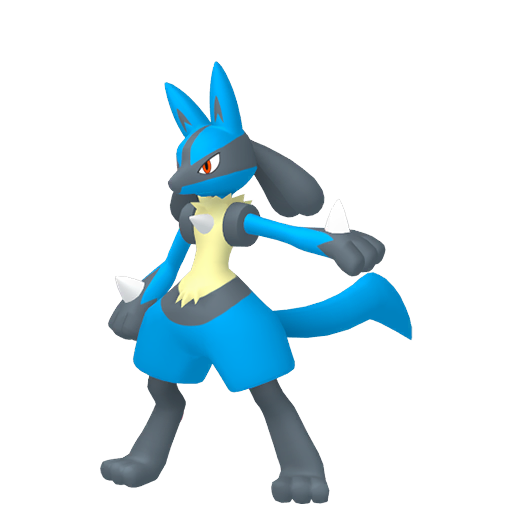
Lucario / Mega Lucario (Omni Ring + Lucarionite): Pre-Mega base Attack is 110; post-Mega it hits 145 alongside Adaptability. Extreme Speed at effective 160 power with +2 priority, across both singles and doubles, makes Mega Lucario one of the strongest priority users in the game. Time the Mega Evolution carefully — the Mega Stone locks the held item slot, so any item-based strategy needs to commit.
How to use it
Singles: The primary use case is endgame cleanup. Opponent's last Pokémon is in KO range — Extreme Speed ends the game before they act, regardless of their Speed stat. A second common line: your Pokémon is damaged and slower than what's across from it. Rather than trading into a revenge kill, Extreme Speed guarantees your damage lands first. Sometimes "hit them and potentially die" is better than "let them go first and definitely die."
Turn pattern: opponent uses a big attack into your Protect; they're still in KO range with no HP gained; next turn Extreme Speed closes it out before they act. That Protect — Extreme Speed two-turn sequence is probably the most reliable finisher sequence in singles.
Doubles: Extreme Speed targets a single Pokémon, so targeting is deliberate. Key mechanical note: priority moves naturally bypass Follow Me and Rage Powder redirection. If an opponent has set up a redirect core, you can Extreme Speed straight through it onto the Pokémon you actually want to hit. That said, Quick Guard shuts down all positive-priority moves for the opponent's entire team for one turn — read the board for Quick Guard users before leaning on Extreme Speed to close.
Speed ties within +2: If two Pokémon both use +2 priority moves on the same turn, Speed decides who goes first. Don't neglect Speed entirely even when building around Extreme Speed.
Tips & strategy
Stepping over +1 priority: When an opponent commits Mach Punch or Aqua Jet expecting to safely finish your Pokémon, your +2 Extreme Speed lands first. This is one of the most direct tempo swings available in endgame exchanges. Even just the threat of it — opponent knowing you have Extreme Speed — can force them into suboptimal predictions around their own priority users.
Common mistake autopsy: Beginners treat Extreme Speed as a universal escape hatch and fire it into anything threatening. The actual trap is the Ghost-type immunity: switching in Gengar or Aegislash to absorb an Extreme Speed is a completely free play for the opponent — you burn a turn, they take zero damage and threaten a knockout. The fix is to always give your Extreme Speed user a coverage move that handles Ghosts (a Fighting-type move, a Rock-type move, something) so you're not permanently walled. Extreme Speed is a finisher, not your only offensive option.
What shuts it down: Armor Tail blocks moves with priority above 0 entirely. Psychic Terrain from Psychic Surge prevents grounded Pokémon from being hit by positive-priority moves. Quick Guard covers an entire team for one turn in doubles. In Team Preview, identify whether your opponent carries any of these tools and keep a non-priority backup line ready.
Stat point allocation: With 66 total Stat Points and a cap of 32 per stat, maxing Attack at 32 SP is the go-to for Extreme Speed users — it pushes the damage ceiling as high as possible. The common mistake is zeroing out Speed. In a mirror match between two Extreme Speed users, +2 vs +2 resolves on Speed, and 0 SP in Speed loses that exchange every time. A modest Speed investment (even 10–16 SP) wins the priority mirror and costs relatively little Attack damage. Balance both.