





















What it does
Explosion funnels everything into a single attack, then KOs the user unconditionally. That last part is critical: if the move misses, if the target is behind Protect, if anything at all goes wrong with the hit — the user still faints. The self-KO cannot be cancelled.
In doubles, Explosion hits all adjacent Pokémon simultaneously, including the user's own partner. Each target takes damage at 0.75x the base damage (spread modifier), so no individual target takes the full hit. That said, striking two opponents at once means the combined output is still substantial. The partner issue is real, though — using Explosion while a healthy, valuable teammate is sitting next to you is a serious mistake.
Normal Gem boosts this one hit by 50%, then is consumed. A perfect pairing: Explosion is inherently a one-use play, and the Gem's destruction is automatic.
Who runs it
Glalie runs Explosion at 39%. Glalie is Ice-type, so Explosion carries no STAB from its Normal typing — this is purely raw base power doing the work. Glalie's stats aren't exceptional, but Explosion gives it a definitive endgame play: when it's down to low HP or has already contributed everything else it can, Explosion is the heaviest card left in its hand. Moody can randomly boost Attack over multiple turns, and a lucky Attack raise turns an already fearsome Explosion into a number that doesn't fit on the screen cleanly.
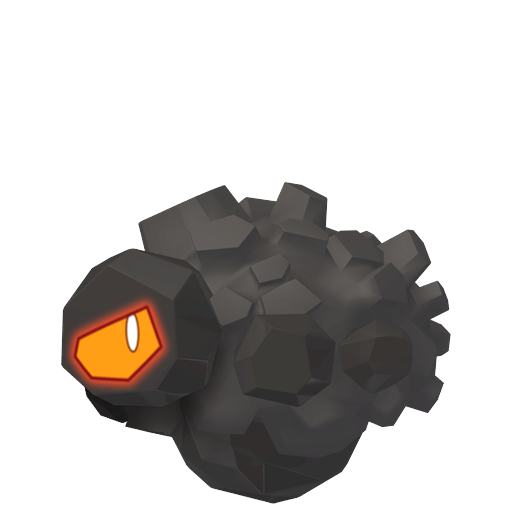
Garganacl (4%) barely uses it. As a bulky Rock-type built around Salt Cure and attrition, Garganacl's whole plan is staying alive and grinding. Explosion, when it does appear, is a pure last-resort — an unexpected burst when it's already badly injured and the trades need to be forced.
How to use it
The decision to use Explosion should follow a clear condition: this Pokémon's remaining value is exhausted, or it's about to be KO'd anyway and can go out hitting harder than it came in. The goal is a trade — not just a 1-for-1, but ideally forcing heavy HP loss on the opponent's most important Pokémon.
The cleanest doubles scenario: your other Pokémon is already down, or it's Protecting, or it resists Normal, or it's being switched. Once the partner risk is eliminated, Explosion against two weakened opponents can swing the entire resource count.
A second scenario worth targeting: both opposing Pokémon are deep in chip range. Explosion's spread coverage gives it a realistic shot at a double KO — a 1-for-2 trade that's among the most asymmetric outcomes available.
Tips & strategy
Protect punishes Explosion hard. If one target Protects, the damage only lands on the open slot — but the user still faints. What was a 1-for-2 attempt becomes a coin flip on a 1-for-1. Reading when the opponent will Protect, and choosing not to Explosion into it, matters a lot. Saving Explosion for a turn where you expect straight attacks is better than throwing it into an anticipated Protect.
Before clicking Explosion, think about what your remaining team member inherits. After you faint, your partner faces two live opponents alone (or the opponent may be down to one). That post-Explosion situation determines whether the trade was worth it — make sure your team can close from that position.
Explosion's threat value is real even before you use it. An opponent who sees Glalie in your team may Protect defensively at odd moments, spending their turns in ways they otherwise wouldn't. You're putting passive pressure on their decision-making just by having it in your party.