




What it does
Sleep Powder is a Grass-type status move, 75% accuracy, that inflicts Sleep on the target for up to 3 turns — a hard cap in Champions Ranked Battles. Forget the old-gen image of sleeping a Pokémon into irrelevance for six turns. The math here is tighter, and your entire strategy around this move has to reflect that.
The competitive value is forcing a decision, not locking an opponent out. When sleep lands, the opponent picks between tanking it (wasting turns) or switching (giving up positioning). Either branch costs them something, and that cost is your free action. That's the move's core return.
Speed is the mechanic that makes Sleep Powder live or die. At Lv50, a Venusaur with full Stat Points investment in Speed reaches roughly 141 Speed — enough to outrun most slow-to-mid-speed threats (base Speed 70 and under at full investment). Against faster meta picks with base Speed 90+, you're outrun and the opponent moves first, meaning sleep lands after they've already acted — a full wasted turn on your side. The difference between outspeeding and underspeeding is literally one entire action: first-turn sleep freezes their current turn, second-turn sleep only freezes the next one. That gap is why Speed investment on the user matters so much, and why Prankster on Whimsicott is so powerful — the +1 priority sidesteps Speed entirely.
In doubles, sleep compounds further: with two Pokémon acting per side, sleeping one target effectively converts a 2v2 turn into a 2v1 action advantage. That's extremely hard to recover from with a switch alone.
Who runs it
The natural home is fast Grass-type support leads — Pokémon who can land sleep before the opponent acts, then vacate the field for the real win condition.
-
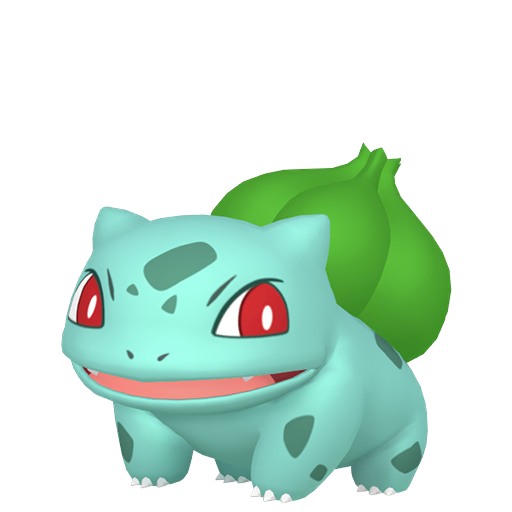
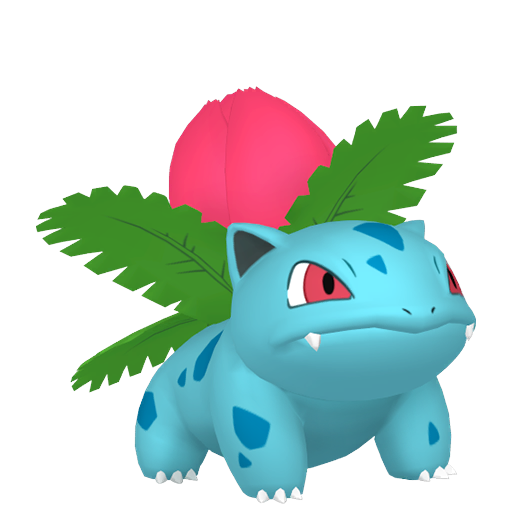
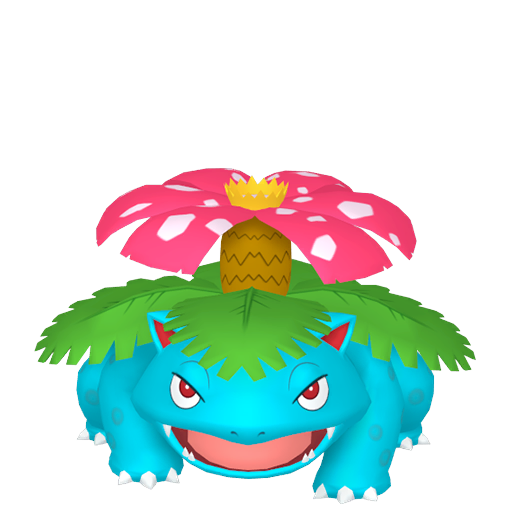
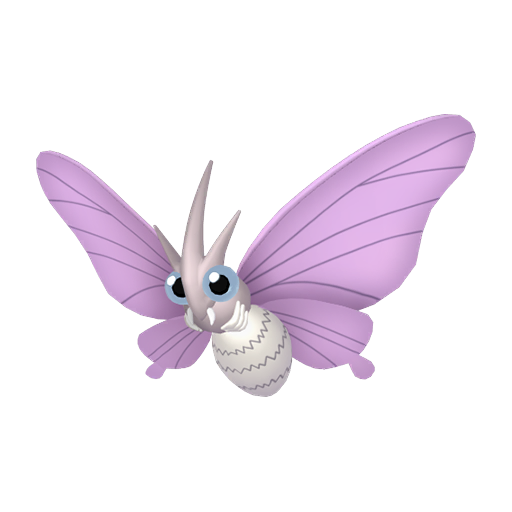
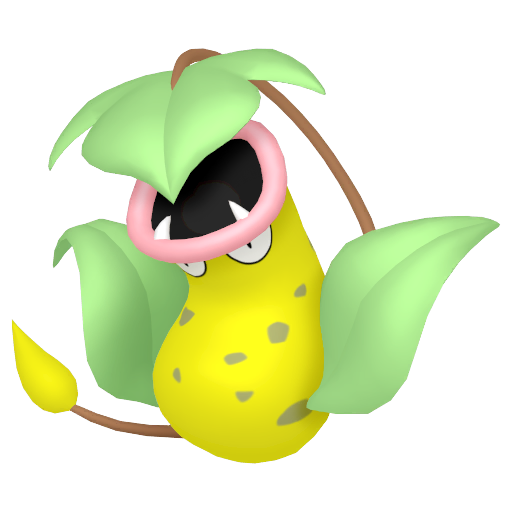
Venusaur: Classic support line — Sleep Powder into Leech Seed stacks sleep denial with passive drain that follows the target even through a switch. Normal form has workable Speed; Mega Evolution via the Omni Ring trades the support role for real offensive power, but both forms run the same move, which makes team preview reads difficult for opponents.
-
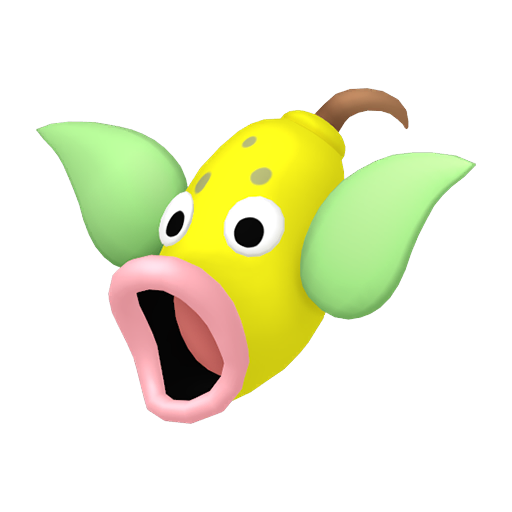
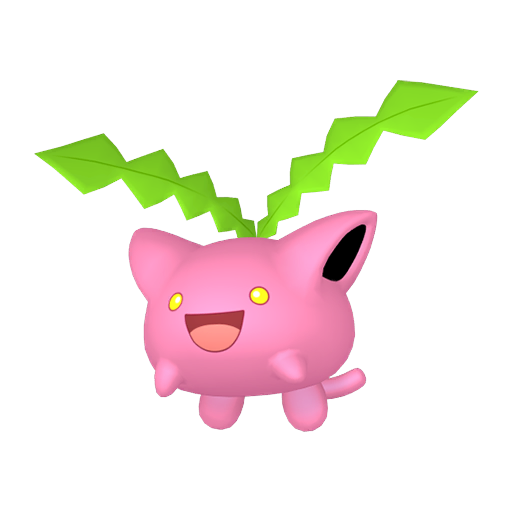
Whimsicott: Prankster elevates all status moves to +1 priority, so Sleep Powder fires ahead of virtually every move in the game — including speed control leads trying to set Tailwind or Trick Room before you. The hard caveat: Prankster-boosted moves fail completely against Dark-types. Any Dark-type core on the other side is immune to this line, so pre-game scouting matters.
-
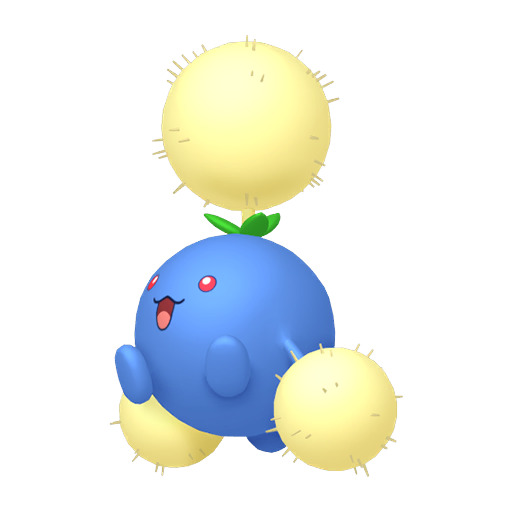
Jumpluff: Base 110 Speed, one of the fastest natural Grass-types. Full Stat Points into Speed lets it outrun almost every non-boosted threat and sleep reliably. Jumpluff isn't threatening offensively at all, which means the entire strategy is committing to a "sleep-and-pivot" role with no pretense of doing anything else.
-
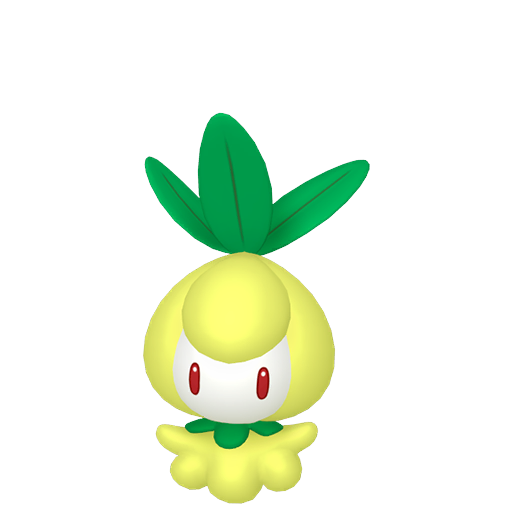
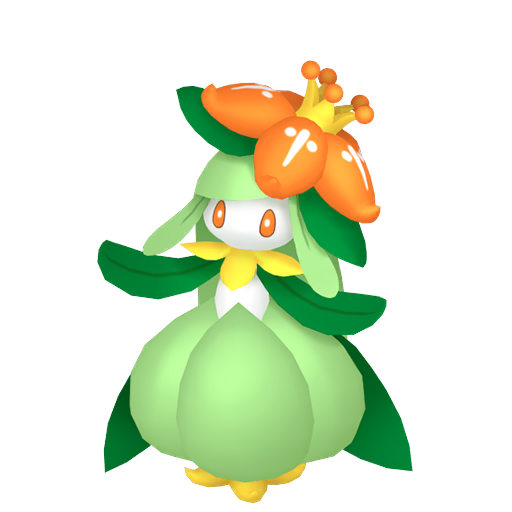
Lilligant: High base Speed plus Quiver Dance creates one of the cleaner payoff loops in Grass-type builds — sleep the threat turn one, stack one or two Quiver Dance boosts during the sleep window, then sweep through a team that now faces a Special Attack / Special Defense / Speed-boosted sweeper. Two Quiver Dance boosts fit comfortably inside the 3-turn sleep cap if you land turn one.
-
Breloom: Worth mentioning because it can learn Sleep Powder, but realistically runs Spore instead for 100% accuracy. Breloom is the comparison benchmark, not a primary Sleep Powder user.
How to use it
Singles turn pattern: Lead with your Sleep Powder user, immediately target the opponent's primary threat or setup sweeper. On a hit, switch into your actual win condition — the sweeper who needs one or two setup turns to be game-ending. Use the sleep window to stack Swords Dance, Nasty Plot, or field hazards. The opponent's mon wakes up after 1-3 turns; by then, ideally, your win condition is already in a position to close. On a miss: assess immediately — if your Grass-type can afford to retry without dying, try again; if not, pivot to a secondary utility move or switch.
Doubles turn-one template: Incineroar uses Fake Out on one target while your Grass-type fires Sleep Powder at the other. Fake Out causes a flinch (opponent cannot act that turn), and sleep neutralizes the second target — net result: the opponent effectively has zero actions turn one. This is one of the strongest doubles openers in format, contingent on the sleep target not carrying powder immunity and neither target having Inner Focus or Shield Dust.
If-Then decision tree:
- Opponent has a Tailwind or Trick Room setter → sleep that Pokémon first, deny the field effect entirely.
- Opponent's core is a slow, high-damage attacker → sleep the core, pivot your sweeper in for free turns.
- You spot Safety Goggles or know the target has Overcoat → abandon sleep on that target, switch your opener entirely.
The key singles vs. doubles distinction: in singles, the sleep window is a resource you spend to set up; in doubles, it's a numbers advantage that creates immediate pressure even before a single setup move.
Tips & strategy
Common mistake autopsy: The single most frequent beginner error is doing nothing useful during the sleep window — attacking the sleeping target (it's already neutralized, extra damage is wasted), or simply not having a follow-up plan. When sleep lands, the clock starts. The fix: the moment sleep connects, execute a pre-planned sequence. Switch into your sweeper or hazard setter and use every sleep turn actively. If you're still attacking a sleeping Pokémon three turns later, the move returned almost no value. A sleeping opponent is a free pass, not a punching bag.
The miss tax: 75% accuracy means roughly one miss in four attempts. In a critical moment — game five, final turn of a tournament set — that miss can be backbreaking. Always give your Sleep Powder user a secondary option: Synthesis to recover, Stun Spore to apply a different status on a miss, or a coverage attack so the turn isn't entirely wasted. Playing as if sleep will always hit is how you lose to a 25% chance.
Hard counters and how to read them:
- Overcoat: Complete immunity to all powder moves, no item required. This is the hardest counter because it costs nothing to slot in. Know which species commonly run it before game one.
- Safety Goggles: Item-based powder immunity covering any Pokémon. Can be removed with Knock Off, which is one reason Knock Off is nearly universal in competitive play.
- Insomnia / Vital Spirit: Sleep immunity at the ability level — irremovable and permanent. Any Pokémon with these abilities is a dead end for this strategy; redirect your opener completely.
- Sweet Veil (doubles only): Protects the entire team from sleep while this Pokémon is on field. A single Slurpuff or Togekiss carrying Sweet Veil in doubles shuts down sleep-based openers wholesale. Removing the Sweet Veil user from the field is the only answer.
- Lum Berry: Cures any status condition once. Common on offensive leads. If you suspect Lum Berry on the target, consider sending it into a different status first (like paralysis from a teammate) to burn the berry before you commit to sleep.
- Magic Coat / Crafty Shield: Reflect or blanket-block status moves. Crafty Shield in doubles blocks all status moves for the whole team that turn — any Pokémon fishing for this on turn one can completely nullify the sleep opener.
- Rage Powder / Follow Me redirect: In doubles, Amoonguss or Togekiss can redirect Sleep Powder onto themselves. If they have sleep immunity (Amoonguss often runs Safety Goggles), the move simply fails. Prioritize eliminating the redirect user, or route around with spread moves.
vs. Spore: Spore is 100% accurate but is functionally restricted to Breloom and Amoonguss in competitive use. Sleep Powder is 75% but accessible to nearly every Grass-type. The choice is not "which is better" — it's "which Pokémon does your team need." If your team needs Venusaur's bulk, Mega potential, and Leech Seed, you take Sleep Powder's miss rate as the cost of entry.