






What it does
Rage Powder is a priority +2 powder-category move. The moment it resolves, every single-target attacking move from opponents is redirected onto the user for that turn. The mechanic is identical to Follow Me, but the powder tag creates two hard immunity categories: Grass-type Pokémon are immune to all powder moves by nature, and any Pokémon holding Safety Goggles ignores them entirely. Spread moves like Earthquake and Heat Wave already hit the whole field — they're not redirected. Status moves and field moves (Trick Room, Tailwind) also pass through the redirect without changing target.
Why priority +2 is everything. Doubles generates four action slots per turn. A redirect is only useful if it fires before the attacks it's supposed to absorb. At +2, Rage Powder ties with Protect and sits below only Fake Out's +3 — in practice, it beats every common attack in the game. The redirect lands first, then all single-target damage follows it to the new destination.
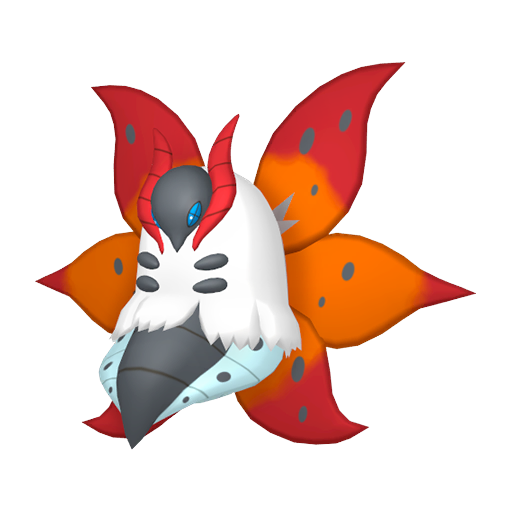
A worked number showing why one redirected turn pays off. Say Volcarona needs one Quiver Dance to push its Special Attack from 135 to 202 (×1.5 multiplier). That turn is worth nothing if a faster physical attacker — say, base 130 Speed — punches through it before it can move. The redirect user absorbs that hit; Volcarona dances for free. Every subsequent attack at 202 Special Attack is interest earned on the turn the redirect ate the damage.
Who runs it
Core rule: the redirect user must threaten something on its own. A wall with no offensive or disruptive presence gets ignored — opponents simply double the other slot.
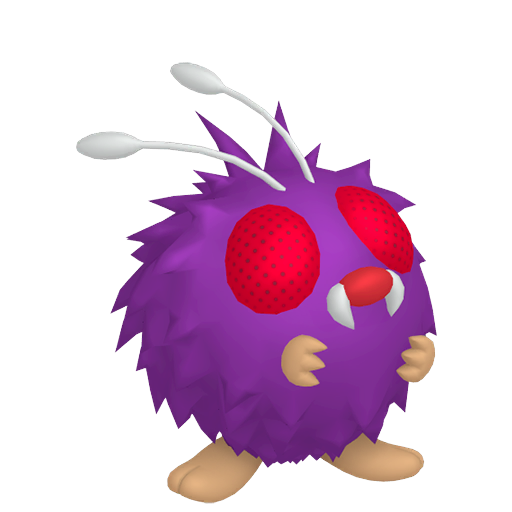
Vivillon (Bug/Flying) is the cleanest Rage Powder user in Champions. It carries Sleep Powder, Quiver Dance, and redirect in one set, with enough Speed to act first. Under Champions' Stat Points system — 66 total, 32 per stat cap, Lv50 — investing in Speed and a bit of bulk lets Vivillon threaten a sleep on turn 1, redirect on turn 2, and dance on turn 3. Opponents can't ignore it: one Sleep Powder landing costs real turns. That threat is what makes the redirect valuable.
Volcarona (Bug/Fire) runs both Rage Powder and Quiver Dance, creating a two-way relationship with whatever partner it's slotted alongside. A partner redirects so Volcarona can dance; Volcarona redirects so a partner can set up Trick Room or Tailwind. Either direction works. After two Quiver Dance boosts, Special Attack climbs from 135 to 304 — opponents who ignored the setup phase pay for it immediately.
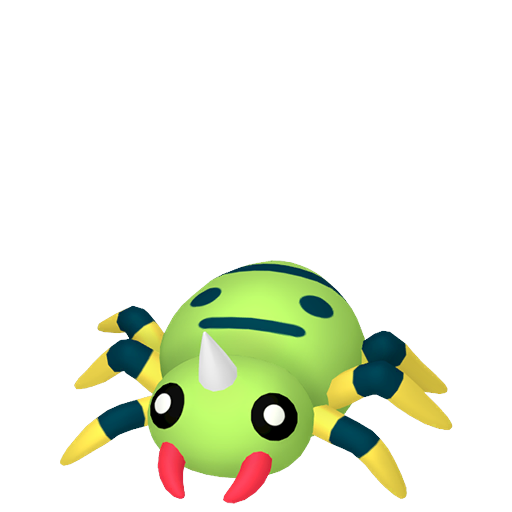
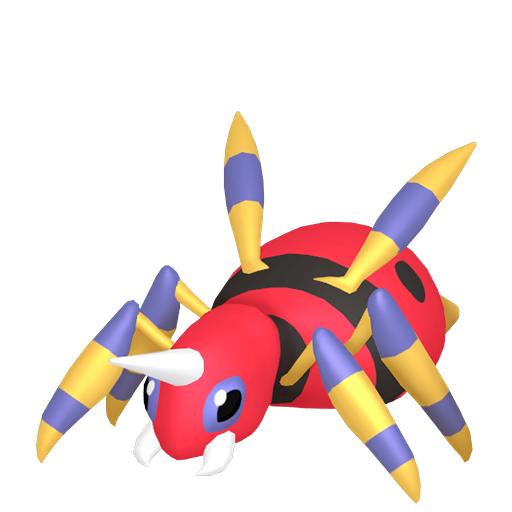
Ariados (Bug) uses redirect as a disruptive layer on top of Sticky Web speed control. Its own threat ceiling is low, so it needs to pair with something that punishes a free setup turn heavily — otherwise opponents simply switch through the pressure.
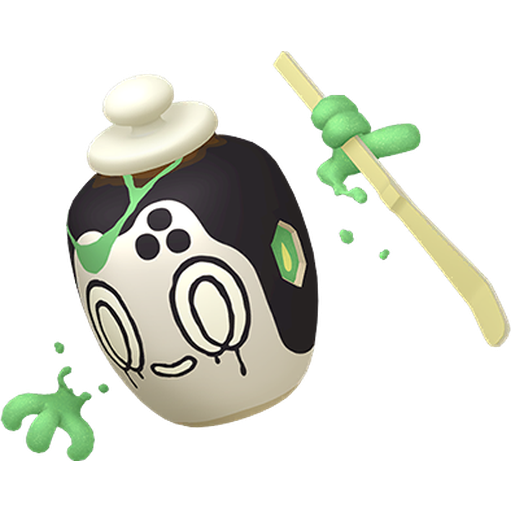
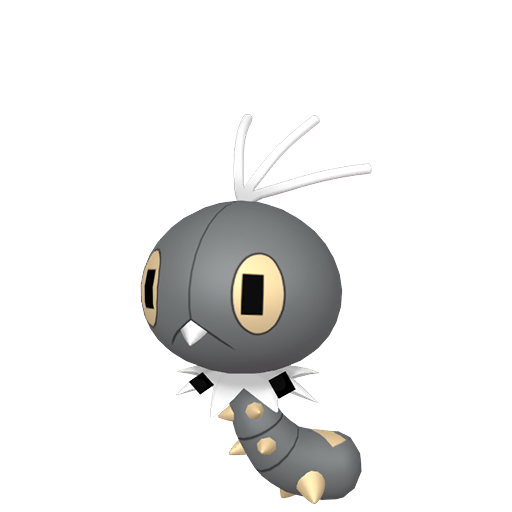
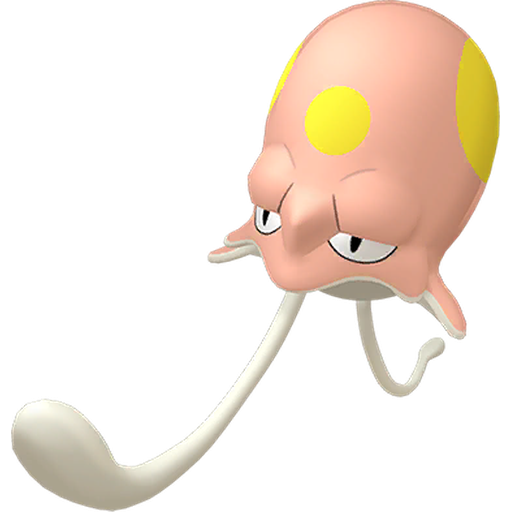
Grass-type users (Sinistcha, Scovillain): Both can learn Rage Powder, but each is Grass-type. Their redirect still works — but any Grass-type opponent is immune to it. A single opposing Rillaboom on the other side means their redirect does nothing to that slot. That's not a minor limitation; it's a structural gap worth tracking during Team Preview.
How to use it
Core turn pattern:
- Turn 1: Redirect user uses Rage Powder, partner uses Quiver Dance / Trick Room / Calm Mind. Both opponent single-target attacks land on the redirect user. Partner acts for free.
- Turn 2: Read whether opponents predicted the redirect and adjusted — spread move incoming, or a switch? If yes, go Protect. If no, redirect again.
The Protect loop. Turn 1 redirect → Turn 2 Protect → Turn 3 redirect. This cycle is hard to punish consistently. On the Protect turn, if opponents fired single-target attacks expecting a redirect, both moves hit Protect and accomplish nothing. If they brought spread moves expecting you to not redirect, that's exactly the turn you weren't redirecting anyway. The cycle makes every opponent decision uncertain.
Fake Out lead. Fake Out (priority +3) fires first and forces a flinch on the opponent's most dangerous lead. Simultaneously, the second slot uses Rage Powder. End of turn 1: the threat was flinched and couldn't act; Rage Powder absorbed the remaining attack. Turn 2, the flinched Pokémon recovers but the redirect tempo has already been established. This is one of the most common doubles opening patterns for a reason.
Decision points. Opponent has a Grass-type leading? Probably don't bring your redirect user in that matchup. Incineroar with no visible item? Safety Goggles is plausible — don't over-rely on redirect this game. Opponent used Wide Guard? Wide Guard protects their side from spread moves. It doesn't interact with your Rage Powder, but if your partner's key attack is a spread move, both your redirect and their Wide Guard stop hurting each other and you're back to a guessing game.
What doesn't get redirected. Keep this list in mind: Thunder Wave, Will-O-Wisp, and other status moves still hit their intended targets. Trick Room, Tailwind, and other field effects go through. Earthquake, Dazzling Gleam, and all spread attacks hit the whole field — redirect does not change their targeting. Only single-target attacks move to the redirect user.
Tips & strategy
The most common beginner mistake: keeping the redirect user in at low HP. The mental model is "redirect users eat hits, that's their job" — and that's correct until their HP falls below 30%. At that point every attack the opponent fires is farming residual KO percentage rather than being wasted on a healthy tank. The fix: switch to Protect at low HP, let the partner fire a Heal Pulse, or bring in a fresh back slot. A redirect user that survived through Protect is worth more next turn than one that got KO'd trying to redirect one final time.
A named counter: Incineroar with Safety Goggles. This is the hardest single-Pokémon answer to redirect-based teams. Safety Goggles makes Incineroar immune to Rage Powder, so it freely picks its attack target regardless of redirect. On top of that, Fake Out and Intimidate let it disrupt the redirect user's timing directly: Fake Out forces the redirect user to flinch on turn 1, Intimidate punishes physical attackers on the protected partner. Reading whether Incineroar is holding Safety Goggles is genuinely important — if it hasn't revealed a Sitrus Berry or Assault Vest through prior turns, assume Goggles and plan your redirect turns accordingly.
Grass-type immunity in team preview. If the opponent leads with a Grass-type, your entire powder toolkit — Rage Powder, Sleep Powder, Spore — fails against that slot. Sometimes the correct call is to not lead your redirect user at all and open a different pair that doesn't rely on the powder line. Don't force redirect into a matchup where it does half the job.
Status is weaker in Champions — don't build fragile plans around it. Paralysis full-stop is 12.5%, not 25%. Sleep caps at 3 turns. Freeze has a 25% natural thaw with a 3-turn hard cap. Any plan that depends on a statused opponent staying down long enough for the redirect user to survive three extra turns is significantly less reliable here than in standard play. Build redirect durability into the team itself rather than assuming the opponent is controlled.
Give the Omni Ring to the Pokémon being protected. Champions rules allow exactly one Mega Evolution per team, triggered by Omni Ring and locking in the corresponding Mega Stone as the held item. The redirect user almost never needs to be the Mega — its value comes from being alive and threatening, not from raw damage output. Put the Omni Ring on the partner that the redirect is buying turns for.