
What it does
Quash forces the target to move last in the current turn, completely ignoring Speed stats and priority brackets. A base 180 Speed attacker, a Priority +1 move user — none of it matters once Quash lands. They go last. If the target already moved this turn, Quash fails outright, so the only window is before the target acts.
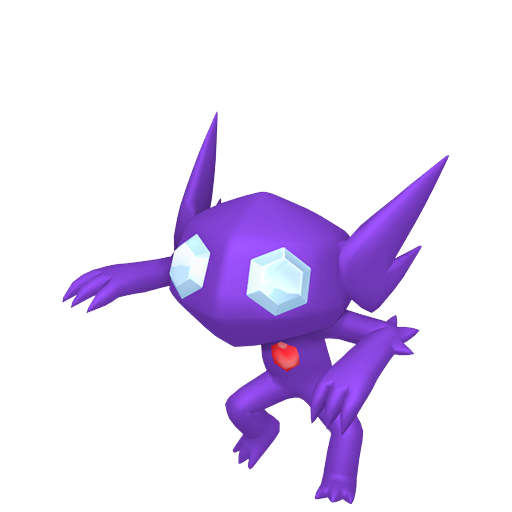
Quash is a status move at priority 0. On Sableye with Prankster, status moves get bumped to priority +1, meaning Quash itself fires before virtually everything at priority 0 or below. That's the combo that makes this usable at all — without Prankster, you're too slow to Quash most targets before they've already moved.
Who runs it
Sableye is the primary user at 23% in Champions. Its Prankster is the whole reason Quash works in practice. Sableye hits nothing hard, but disruption and support is its entire job, and Quash is the centerpiece.
How to use it
Time it for the start of the turn before your target acts. Once they've moved, the move fails and the turn is wasted. With Prankster at +1, Sableye's Quash fires before any priority 0 move, but it still loses to priority +2 or +3 (like Fake Out at +3). Watch out for Fake Out users that can disrupt before Quash lands.
The doubles play: Sableye delays the biggest threat, and your partner uses that window to KO or heavily damage it. Think of it as a one-turn interrupt, not sustained control. Your partner needs to deal with the delayed target in the same turn — otherwise the threat just goes last and then fires on turn's end.
Tips & strategy
Dark-type Pokémon are immune to moves boosted by Prankster. Against Dark-type targets, Sableye's Quash fires at normal priority 0 — and Sableye is slow, so it almost certainly acts after the target has moved, guaranteeing failure. Identify Dark-types in team preview and don't rely on Quash against them.
Under Trick Room, 'moving last' means moving at the fastest Speed slot in the reversed order. If the opponent has Trick Room active, Quashing a slow Pokémon might actually help them move sooner than expected. Re-evaluate the payoff.
Pair Quash with a hard-hitting partner who can convert that delay into a KO in the same turn. Delays that don't lead to decisive action give the opponent a free move at the end of the turn anyway.