





What it does
Metal Burst returns 1.5× the damage of the last hit the user received in the current turn to the Pokémon that dealt it. Several mechanics matter here.
It reflects only the last hit of the turn — not cumulative damage, not any hit you want, specifically the most recent one. If no damage was received this turn, it fails outright. Type immunities apply to the reflected damage (a Ghost-type could be immune to a Normal-type counter, for example), but type matchup multipliers do not apply to the reflected output — you won't see it go up or down based on Metal Burst's Steel typing or the target's type.
Priority -3 means it acts near-last. This is intentional — you need to take a hit before it goes off, and priority -3 almost guarantees the opponent has already moved by the time Metal Burst executes.
Doubles is where Metal Burst becomes especially threatening. Spread moves hit both Pokémon at 0.75× each — so when Bastiodon takes a spread hit, it absorbs the full 0.75× calculation, and Metal Burst sends 1.5× of that back. A single strong spread move can feed a devastating counter.
Who runs it
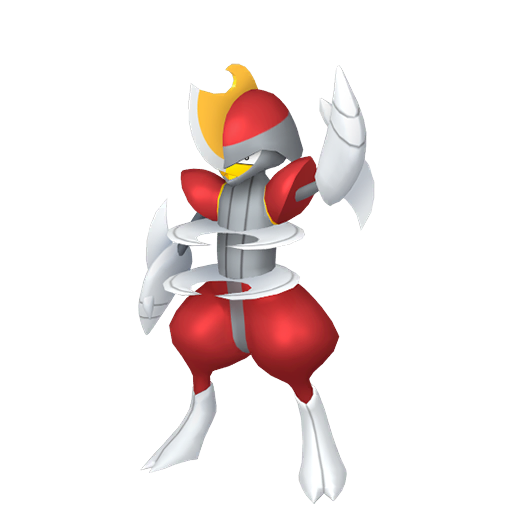
Bastiodon runs Metal Burst at 13%, and it's straightforward why. Bastiodon has some of the highest defensive stats in the format. Bulk is the prerequisite — you need to survive the hit before you can reflect it. A fragile Pokémon with Metal Burst dies before it can use the move. Bastiodon's absurd Def and SpDef let it absorb moves that would eliminate most Pokémon, then punish the attacker with 1.5× of what it just took.
There's also the threat dimension: opponents who know Bastiodon carries Metal Burst hesitate to send a powerful move into it. That hesitation itself disrupts opponent planning.
How to use it
The base loop: take a big hit, survive, use Metal Burst to punish. Bastiodon is designed for this — it lives through attacks that would erase other Pokémon.
The judgment call is reading how hard the opponent will hit you. Light hit means a light reflect. Heavy hit means a potentially KO-level counter. When you can predict that a powerful attacker will target Bastiodon, and you're confident it survives, Metal Burst becomes a genuine KO threat.
Pairing Bastiodon with a partner that uses Fake Out to flinch one opponent is a clean combo — your partner removes one attacker from the equation for the turn, Bastiodon takes a single hit, and Metal Burst goes off against a clear target.
Tips & strategy
The fail condition is the biggest weakness: if the opponent doesn't attack Bastiodon this turn — targets your partner instead, uses a status move, or switches — Metal Burst wastes the action entirely. Experienced players will see the setup and route their attacks around it.
Bastiodon has 4× weaknesses to Ground and Fighting (Rock/Steel typing). A super-effective Ground or Fighting move deals massive damage — enough to KO even Bastiodon if the attacker's damage output is high. If Bastiodon gets KO'd by the hit, Metal Burst never executes. Managing these specific matchups is where the real skill in running this Pokémon lies.
In doubles, if both opponents attack Bastiodon in the same turn, Metal Burst reflects 1.5× of the last hit only — the one from whoever moved second. The first hit counts toward survival, not toward the reflect amount. Knowing turn order helps you calculate which hit actually feeds the Metal Burst counter.