





What it does
Healing Wish causes the user to immediately faint, and the next Pokémon to switch in enters with full HP and all status conditions cleared. The mechanic itself is two lines of text. The real value is in the arithmetic behind the exchange.
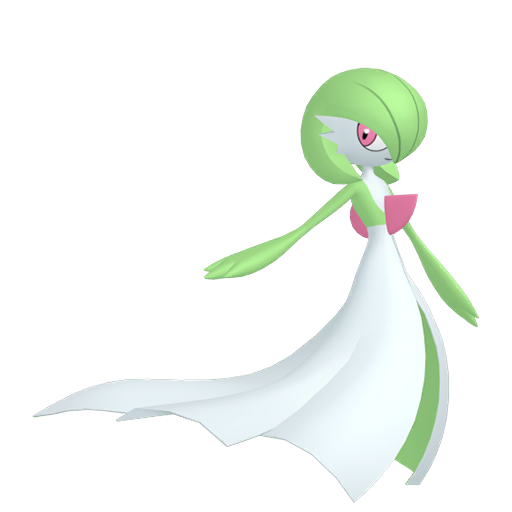
The HP-for-tempo trade, in concrete numbers: A Pokémon sitting at 15% HP threatens almost nothing — one solid hit and it's gone, and it's not dealing meaningful damage either. But that 15% HP converted into a full-HP entrance for your win condition is worth an entirely different amount. Consider Gardevoir after Mega Evolution: her Special Attack reaches 165 at Lv.50, and with Speed Stat Points investment she outpaces most Pokémon with a base Speed of 100 or under. A Jirachi at low HP cannot threaten that matchup. But spending Jirachi's last sliver via Healing Wish puts Mega Gardevoir in fresh, holding her Mega Stone already activated, threatening a wide swath of the opponent's team — the same turn the opponent expected Jirachi's exit to be free. That's the swap turning a dead weight into active pressure.
Status clear has math behind it too: Champions lowers paralysis full-stop to 12.5%, caps sleep at 3 turns, and freeze at 3 turns with a 25% thaw each turn. Still, paralysis halves Speed regardless of whether full-stop triggers — a Pokémon with 110 base Speed becomes effectively 55 when paralyzed, suddenly slower than anything with base 60 or above. Healing Wish clears that entirely on switch-in. No Lum Berry needed, no turn spent on Rest. That's a tool slot freed up and a full Speed tier restored in one action.
Singles makes this cleanest: When a support has done its job, its remaining HP is an asset you can choose to spend actively rather than waiting to have it taken. The difference between a planned Healing Wish and a passive KO is: you chose the recipient and the moment.
Who runs it
Healing Wish fits Pokémon whose value is front-loaded — they accomplish something in the first two or three turns, then become liabilities.
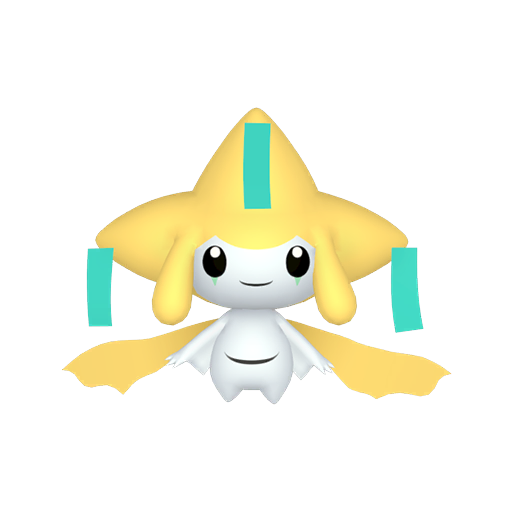
Jirachi: Serene Grace pushes Iron Head's flinch rate to 60%. Every turn Jirachi is on the field, the opponent is making decisions under flinch pressure. Once Jirachi has absorbed key hits and fished for flinches, its per-turn value drops sharply at low HP. Healing Wish then spends what remains on bringing back the actual attacker — every point of HP used in full.
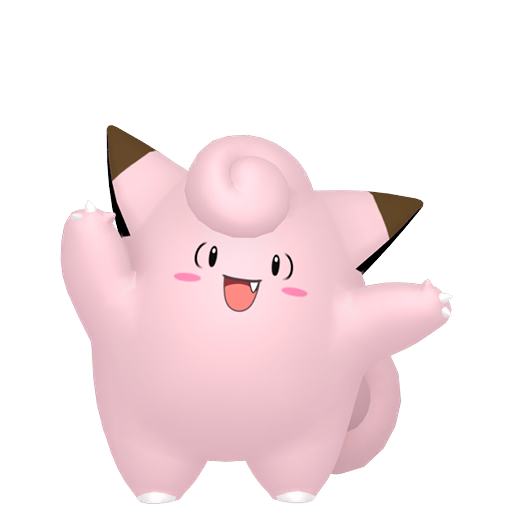
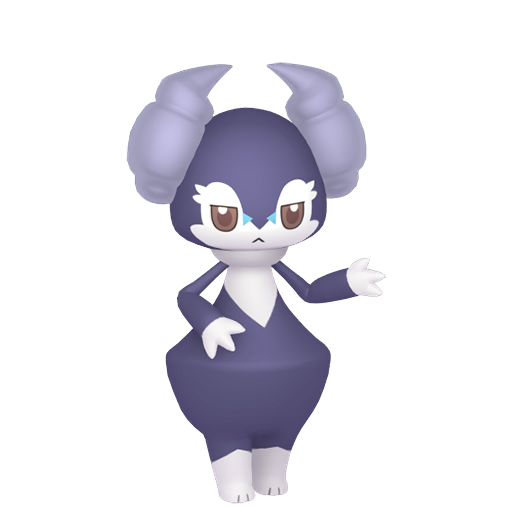
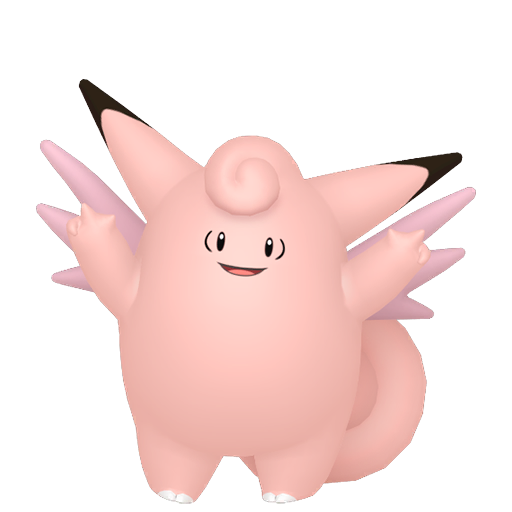
Clefable: Magic Guard makes Clefable completely immune to poison and burn damage, meaning it can operate freely in poison/burn chip environments without losing HP. Its role is setting Gravity (which eliminates Flying-type immunity and boosts accuracy across the board) or absorbing a round of Special hits. Once Gravity is up and Clefable is low, Healing Wish brings in the attacker who benefits most from the grounded-immunity setup — the field condition stays, and the new Pokémon enters full.
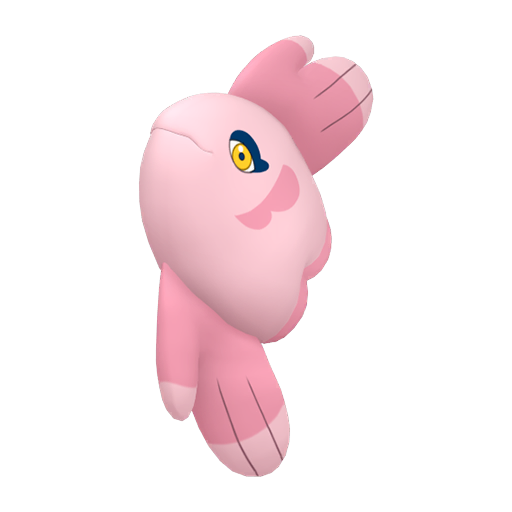
Cresselia: The archetypal Trick Room setter. Cresselia's bulk means it can often survive long enough to set TR and still have something left. Spending that remainder with Healing Wish brings in the slow heavy-hitter at full HP, into a Trick Room already running — maximum overlap of setup value and attack value. Staying on field as a low-HP wall at that point is strictly worse.
Mega Evolution synergy: Champions-specific angle. Your Mega Evolution attacker holds a Mega Stone, consuming the item slot permanently. When that Pokémon takes chip damage and enters dangerous range, a support with Healing Wish can faint itself and bring it back fresh. The investment in the Omni Ring activation gets a second run.
Doubles caveat: Doubles pace punishes Healing Wish. A full-HP Pokémon switching in can still be immediately targeted by the opponent's remaining field presence. Use it in doubles only when your partner can hold the field one turn, or when you predict the opponent is switching both Pokémon.
How to use it
Standard singles sequence:
- Turn 1 — support takes action (sets screens, applies flinch pressure, draws a hit, forces opponent's switch)
- Turn 2 — opponent attacks into the support, HP drops to danger range
- Turn 3 — decision point: can you move before the opponent attacks?
That last question is hard. If the opponent attacks first and KOs your support, Healing Wish never resolves — you just lost the Pokémon with zero heal triggered. The move must execute before the user faints; being KO'd before acting produces nothing.
Speed is a hard constraint: A support with 55 Speed attempting Healing Wish into an opponent's 80-Speed attacker does not get the move off — it dies first. Three solutions: invest enough Speed Stat Points to move first; use the move inside Trick Room where lower Speed acts first; or wait for a turn when the opponent is forced to switch and therefore doesn't attack.
Reading the switch: The safest Healing Wish timing is when you're confident the opponent is switching that turn. On a switch turn there's no incoming attack, so your supporter fires the move regardless of Speed, faints, and the incoming Pokémon enters to face a full-HP threat. This timing is independent of Speed tier and is the most reliable window.
Decision tree in practice: Opponent's current Pokémon can KO you this turn → wait for a switch read or boost Speed; opponent cannot KO you first → Healing Wish is safe to fire; your support still has damage value (a live flinch chance, a key coverage move) → hold and reassess next turn.
Doubles execution: In doubles, Healing Wish turns a passive KO into an active trade. Instead of your support being knocked out and replaced randomly, you pick the timing and the recipient. The catch: only the specific Pokémon receiving the Healing Wish proc gets the heal — if two Pokémon need to switch in simultaneously, only one benefits.
Tips & strategy
The most common beginner error — firing too early: Healing Wish gets used as an emergency button the moment the user's HP dips. The actual correct trigger is later: when the support's per-turn action value has already been spent and the recipient's HP loss is genuinely affecting win probability. A Jirachi at 50% HP still flinches at 60% on each Iron Head; spending it for a Healing Wish then wastes multiple turns of flinch pressure you could have had. The fix: before each game, define the support's completion condition — Jirachi hit its flinch windows, Clefable got Gravity up, Cresselia set TR — then enter Healing Wish decision mode only after that condition is met.
Named exception — last offensive asset: If you're down to one threatening Pokémon and your support still carries meaningful damage (say, a low-HP Jirachi with Iron Head into a non-resistant target), the 60% flinch might be worth more than the heal. Healing Wish is a tool, not a formula. Recalculate marginal value each turn rather than committing to the play before the game state demands it.
Countering it — offensive tempo: The best answer to Healing Wish is pace. When the opponent's support is at low HP, attack into it and KO it that turn. If it can't execute the move, there's no heal. Letting a low-HP support sit on field safely is what gives the opponent the clean window to fire Healing Wish on their terms. Apply pressure before the support's task is done and the option becomes much harder to use.
vs Lunar Dance: Lunar Dance also restores PP — relevant for stall setups that cycle through Recover, Spore, and other limited-PP moves. Healing Wish restores only HP and status, which is enough for offensive or hybrid teams and executes faster in tempo terms. Neither is universally better; the choice depends on whether PP depletion is a real threat in your team archetype.