

What it does
Ground-type moves hit 20% harder. No HP cost, no lock. Non-Ground moves get nothing.
Who runs it
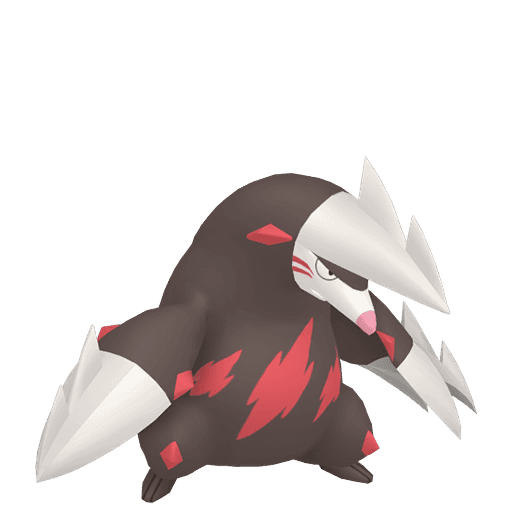
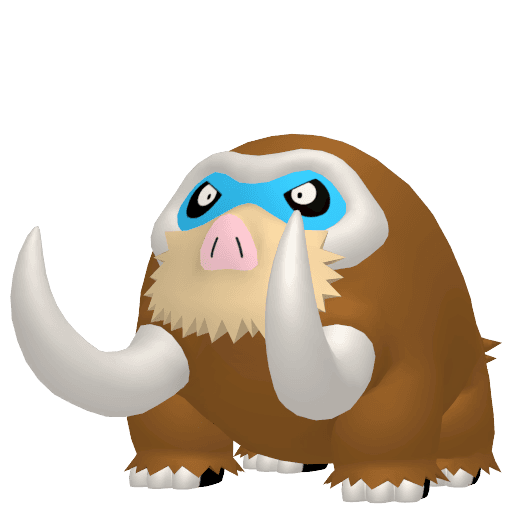
Rhyperior at 31% appears in both Rock and Ground contexts — Earthquake is a major part of its output alongside Stone Edge. Slow speed means it eats a hit before attacking; Soft Sand lets it fire Earthquake without life Orb accelerating that countdown.
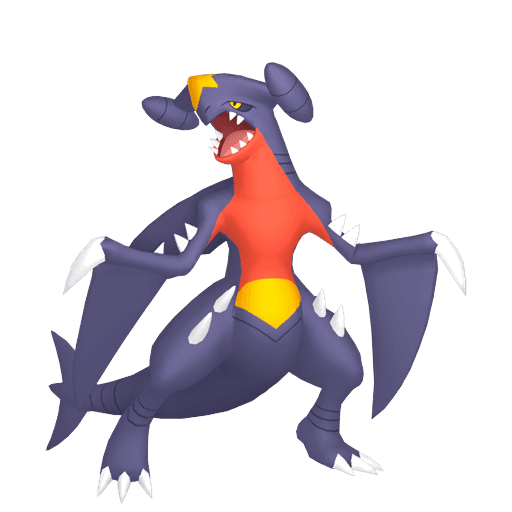
Garchomp at 13% is the debated case. Garchomp's Attack is 130, and many players use Life Orb or Choice Band for maximum Earthquake output. The 13% on Soft Sand signals players who value keeping Outrage, Fire Fang, or other coverage available — especially in doubles where locking into Earthquake can be exploited.
Gliscor at 14% is unusual: Poison Heal Gliscor wants Toxic Orb, not Soft Sand. That 14% likely reflects edge cases or data noise.
How to use it
Straightforward: switch in, use Earthquake or Earth Power, Soft Sand amplifies throughout. In doubles, Earthquake hits both opponents and Soft Sand applies to both hits — the per-target enhancement doubles the effective output per turn. Pair with Flying-type or Levitate partners to avoid friendly fire.
Tips & strategy
Earthquake's spread hit in doubles is a key reason Soft Sand has higher practical value than a raw comparison suggests. Two targets both hit 20% harder in one move slot.
Soft Sand vs Choice Band: Choice Band Garchomp Earthquake is terrifying numerically (×1.5 on 130 Attack). But locking in lets opponents switch in Flying types, Levitate Pokémon, or Electric types for free. The 13% Soft Sand adoption reflects high-level doubles players choosing adaptability over peak power.