




What it does
Every time a physical move hits a Weak Armor holder, Defense drops by one stage and Speed rises by two stages. It stacks on every hit — two physical hits means +4 Speed and -2 Defense, three hits means +6 Speed and -3 Defense, and so on up to the ±6 stage caps.
Two Speed stages is meaningful: going from +0 to +2 is a ×1.5 Speed multiplier. Four stages doubles Speed. A Pokémon with mediocre base Speed can clear most of the field after two or three physical hits.
The Defense drops are the cost. Each trigger chips away at physical bulk — eventually a Pokémon built around Weak Armor is fast but physically paper-thin. There's an internal clock: you need to cash the Speed advantage before the Defense loss reaches critical levels.
Who runs it
Polteageist: 72% Weak Armor usage in Champions data. With 134 Sp. Atk and Shell Smash already on the set, Weak Armor adds a second Speed-charging route — if an opponent tries to interrupt with physical moves, they're accelerating Polteageist instead. Most of the time Polteageist relies on Shell Smash directly, but Weak Armor is a meaningful supplementary or alternative mechanic.
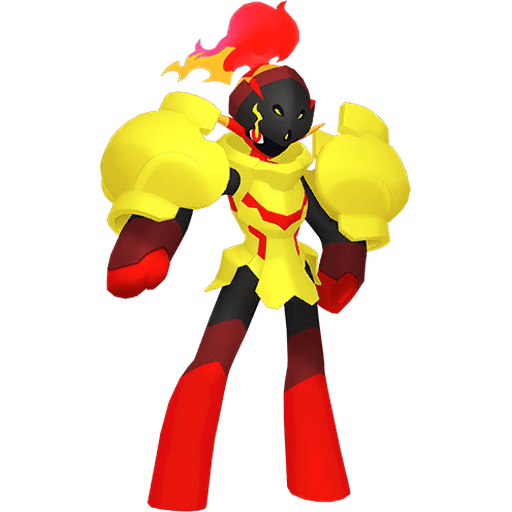
Armarouge: 20% Weak Armor usage at 125 Sp. Atk. Physical hits build Speed, making it faster before it goes on a special offensive. In doubles, opponents tend to switch to special moves to avoid triggering Weak Armor — which creates some reading and prediction space.
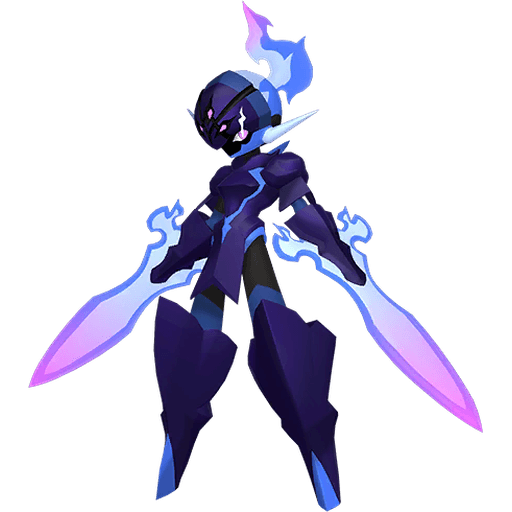
Ceruledge: 7% Weak Armor at 125 Attack. A physical attacker with Weak Armor benefits more from Speed boosts, though it's also more exposed to the Defense drops in melee range.
Skarmory: 6% usage. Its 140 base Defense provides so much buffer that the Defense drops are more tolerable — Weak Armor on Skarmory is mostly about stacking Speed.
How to use it
Polteageist's line: let the opponent's physical attacker swing into you. Each hit is free Speed. Once you've accumulated +4 or +6 Speed, the speed differential makes you faster than almost anything, and then Shell Smash or direct Special Attack output can clear. The margin is how long your Defense holds.
In doubles, opponents will frequently switch to special attacks to avoid feeding Weak Armor, making triggers less reliable than in singles. Singles opponents are more likely to stick with physical moves and accidentally charge your Speed.
Protect timing: open with Protect on turn 1 to gauge the opponent's move, then absorb a physical hit on turn 2 when you want to start building. More controlled than waiting passively.
Tips & strategy
Special moves skip everything: Weak Armor doesn't trigger on special attacks. Defense doesn't drop, Speed doesn't rise. The simplest counter to any Weak Armor user is to bring a special attacker and ignore the whole mechanic. That's why Weak Armor has a ceiling — you can't force the opponent to use physical moves.
Defense collapse threshold: at -3 Defense stages (×0.5 multiplier), most physical moves hit hard enough to one-shot. Rocky Helmet adds passive damage to physical attackers who trigger Weak Armor, squeezing value out of the hits while bulk still holds. Eviolite can delay the collapse if available.
Skarmory's cushion: 140 base Defense means -2 or -3 stages still leaves meaningful physical bulk. Getting to +4 Speed on Skarmory shifts its speed tier significantly while still surviving physical attacks that would end most other Weak Armor users.