
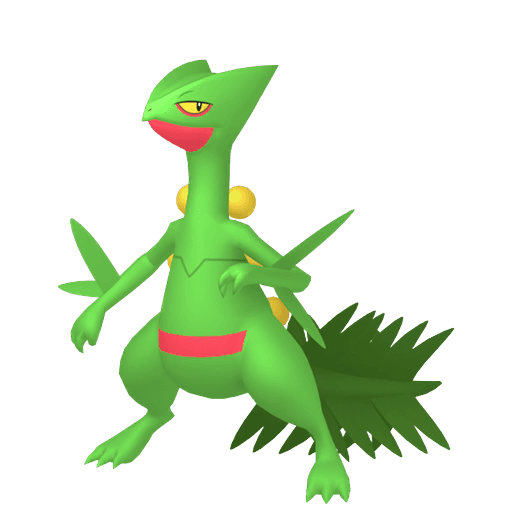
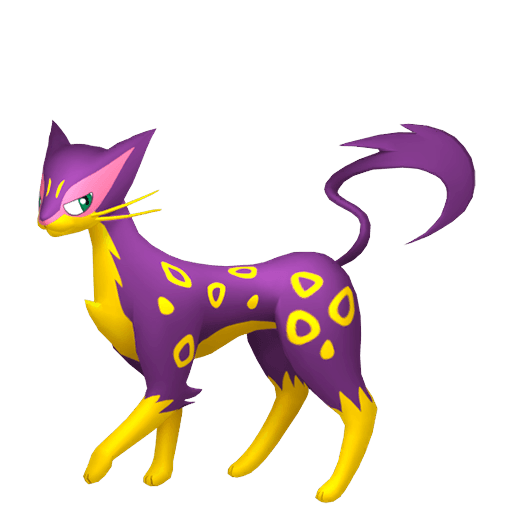



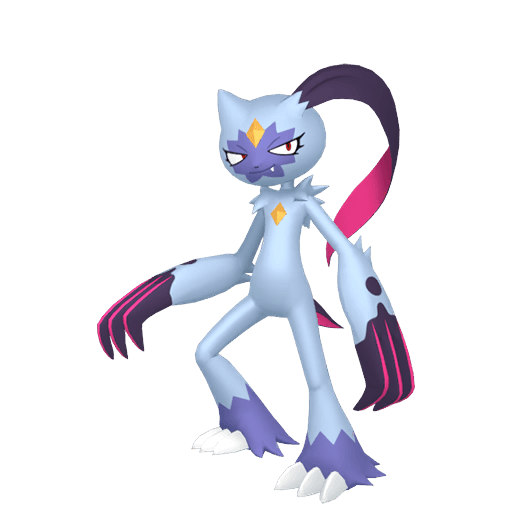
What it does
Unburden has one trigger: your held item leaves your possession — consumed by use, stripped by Knock Off, swapped out by Trick or Thief, anything. The moment that happens, Speed enters a ×2 multiplier bracket that stays active until you switch out or receive a new item. Not one turn. Permanent.
The numbers make the advantage concrete. Hawlucha at Lv50 with a positive Speed nature and a full Stat Points allocation (32-point cap) has a base Speed of 87, landing around 167 real Speed. After Unburden fires, that becomes roughly 334 — which clears a Choice Scarf Garchomp (base 102, Scarf ≈ 194) or even a Scarf Dragapult (base 142, Scarf ≈ 213) by a comfortable margin. The kicker: Choice Scarf locks you into one move per turn. Unburden does not. After the trigger you pick freely every turn, which means you can set up, pivot coverage, or click whatever the matchup needs.
Champions' Stat Points cap of 32 per stat means you can't brute-force maximum Speed everywhere. Trading a single-use item for a permanent ×2 Speed multiplier is one of the best resource conversions in the format — the Speed slots you don't invest fully can go to Attack or bulk instead, while the ability covers the deficit in full once triggered.
Who runs it
The archetype: physical attacker with a self-consuming trigger, a meaningful itemless payoff, and enough Attack to threaten after the setup.
Hawlucha — Fighting/Flying, 87 base Speed. Its Mega line runs Hawluchanite, but the non-Mega Unburden set is the headline. Acrobatics at 55 power with an item feels bad; at 110 power itemless with STAB ×1.5 after Unburden fires it becomes a sweeping tool that covers a huge range of targets. Because there's no Mega form in play, the held-item slot is free and the ability slot is dedicated entirely to Unburden — no conflict anywhere.
Slurpuff — 72 base Speed, which sounds middling, but Belly Drum collapses the math into one turn: HP drops to half, Sitrus Berry heals 25% back, Unburden activates — netting +6 Attack stages and ×2 Speed simultaneously. In doubles this is the fastest single-turn setup spike in the format. The only window to stop it is the turn it happens; if you miss it, you're staring down a fully maxed attacker that goes before everything.
Accelgor — 145 base Speed. Unburden on a 145 Speed base looks redundant, but its real purpose is Scarf denial: triggered, it reaches around 290 effective Speed and no Choice Scarf user in the game can match it. Bug Buzz and Focus Blast give it wide offensive coverage at a speed tier that simply doesn't get outrun.
Hitmonlee — 87 base Speed, same bracket as Hawlucha. High Jump Kick (170 base power + Fighting STAB) is the primary damage tool; Acrobatics at 110 itemless covers the coverage angle. After Unburden fires its Speed math is identical to Hawlucha's and it performs the same late-game cleanup role in singles.
Drifblim — Ghost/Flying, consumable-berry trigger route. The typing provides useful immunities (Normal, Fighting, Ground), and the Speed doubling after activation makes it a late-game surprise threat that can be hard to handle once the field is thinned. In doubles its Ground immunity means you can freely partner with Earthquake users.
How to use it
The core tempo: trigger on turn 1, dominate from turn 2.
Sitrus Berry + Belly Drum line (Slurpuff): Turn 1: use Belly Drum. HP halves, Sitrus Berry triggers and heals back 25%, Unburden activates. Turn 2: you're at roughly 75% HP with +6 Attack and ×2 Speed — nearly anything you hit is gone. In doubles, the prerequisite is that your partner handles the Fake Out threat on turn 1 before you commit Belly Drum. Follow Me or Rage Powder redirect pressure; a simple speed check that flinches the Fake Out user also works.
White Herb + self-drop move line (Accelgor and special attackers): Use Overheat, Draco Meteor, or Close Combat — moves that lower your own stats. The White Herb auto-cancels the drop and consumes, firing Unburden. Next turn the stat is restored to normal (Herb handled it) and you're now at ×2 Speed. Works as a clean hit-and-run opener or a late-game cleanup trigger.
Berry + Acrobatics line (Hawlucha and Hitmonlee): Carry Salac Berry (fires at ≤25% HP, grants +1 Speed stage, and triggers Unburden) or Sitrus Berry (fires at ≤50% HP, no extra Speed stage but bigger heal). Once the berry fires, Acrobatics jumps to 110 power and you have ×2 Speed — two payoffs from one event. Hawlucha runs this as its primary singles line.
Reactive Knock Off trigger: Opponent uses Knock Off to strip your item — they've handed you doubled Speed for free. Position your Unburden user in situations where Knock Off is the natural-looking play, then punish the turn after. Against informed opponents this becomes a genuine mind game: they know they shouldn't Knock Off, but the move is powerful on almost everything else.
Singles vs doubles: In singles, once triggered the Speed boost stays as long as you don't switch, which makes Swords Dance a clean second layer — set up on the same turn or the turn after, then sweep. In doubles, Fake Out is the primary answer opponents reach for to interrupt your setup turn; solving that threat (by bringing a partner with priority, a dedicated Follow Me redirector, or a faster lead that eliminates the Fake Out user first) is the fundamental doubles puzzle for every Unburden team.
Tips & strategy
Do the Speed math before you trigger. The most common beginner error is triggering Unburden and discovering you're still slower than the target. The right habit: before committing the trigger turn, identify the fastest relevant threat on the opposing side and check whether your ×2 Speed clears their Speed stat (including any Scarf or Tailwind modifier). If the opponent carries Tailwind for a ×2 team boost and has a 130+ base Speed Pokémon, your 87-base Unburden user might not clear it — a few extra Stat Points in Speed or a positive nature can be the deciding margin. Confirm the math at Team Preview, not mid-game.
Classic mistake: Knock Off into an Unburden user. Beginners see an item and reach for Knock Off — stripped item, incoming ×2 Speed, and now you're the one who armed the sweeper. The correct rule: never use Knock Off on an Unburden Pokémon unless you can guarantee a KO on the same turn. The one exception is if the KO probability is high enough that the item loss doesn't matter because the Pokémon is gone. If you can't KO it, pick a different move.
Trick Room is the named hard counter. Doubled Speed is a liability under Trick Room — you go last every turn, which is the opposite of the whole plan. If Team Preview shows a probable Trick Room lead (slow, bulky setter with a support typing), either save the Unburden user to come in after the 5-turn duration expires, or bring a Taunt user or a priority attacker that eliminates the setter before it can establish the field. Do not trigger Unburden into an active Trick Room — you've just made yourself the slowest thing on the field.
Tailwind narrows the gap. When the opposing team runs Tailwind, their entire side gets ×2 Speed. A Pokémon that was 20 points slower than you before Tailwind is now at the same Speed tier or beyond, depending on base stats. In doubles especially, track whether the opponent's team composition suggests a Tailwind archetype and plan for whether your triggered Speed still wins the race.
Switching out resets everything. Unburden disappears the moment the Pokémon is recalled, and returning to the field without an item does not re-trigger it. Once active, commit. Don't pivot casually for positional reasons — you lose the entire Speed advantage and have no way to restore it without a new item. Under Champions' Stat Points constraints, that Speed gap after activation is often the single most valuable resource on your side of the field. Treat it accordingly.