
What it does
Telepathy makes the holder completely immune to moves used by its own ally — zero damage, no secondary effects, no recoil entries. In singles it's a wasted slot. In doubles it solves a structural problem: the highest-damage spread moves (Earthquake, Heat Wave, Rock Slide, Blizzard) all hit the holder's own partner too.
Here's where the number matters. Earthquake in doubles fires at ×0.75 spread reduction and hits both opposing targets. Even at that reduced power, a well-invested Garchomp dealing into a neutral, mid-bulk target lands roughly 55–65% damage per hit — still a serious threat. The standard workaround without Telepathy is the stagger: one turn Garchomp uses Earthquake while the partner Protects, then they swap roles. That Protect turn is a full action burned. With Telepathy in the slot, that turn disappears — both partners attack simultaneously, forcing the opponent to answer two threats on the same turn. Over the course of a game, this is effectively one extra attack every two turns. That's the real value: converting hidden action cost into actual pressure.
Hard boundary: Telepathy only blocks ally moves. Opposing Garchomp's Earthquake hits you normally. This is an offensive unlock, not a defensive tool.
Who runs it
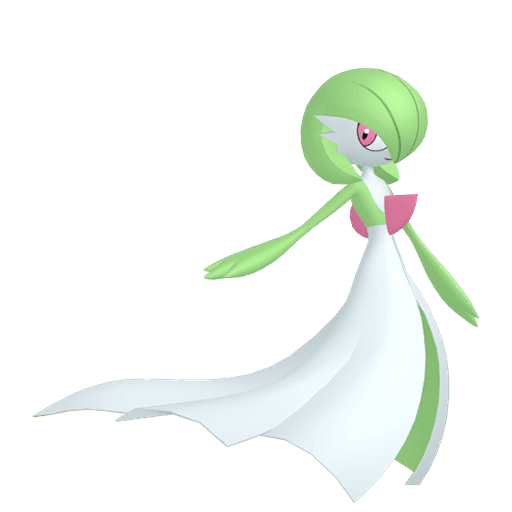
Gardevoir is the definitive Telepathy user, and the reason is straightforward. Its most common teammate is Garchomp (teammate rate >60%), and Garchomp runs Earthquake on nearly every set. Gardevoir has no Ground weakness (it's part Psychic/Fairy with no Ground interaction), but even a non-weak partner wastes a turn whenever it has to Protect or reposition. Telepathy removes that cost entirely. Garchomp fires, Gardevoir simultaneously throws Moonblast or Icy Wind, and the opponent faces two live threats at once. Gardevoir's other options (Synchronize, Trace) are situational in doubles anyway, so the opportunity cost of choosing Telepathy is low.
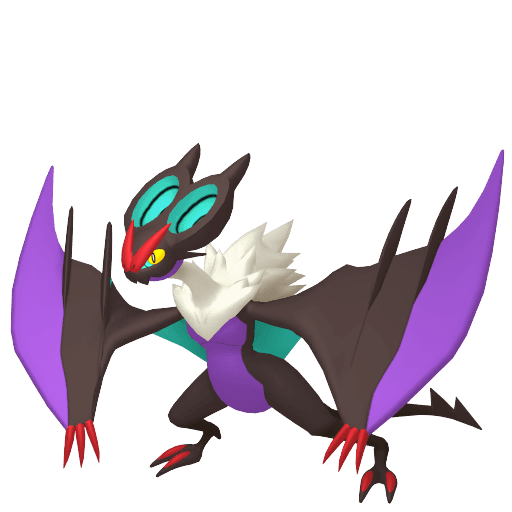
Noivern runs Telepathy over the more common Frisk specifically in builds partnered with Excadrill. Choosing Telepathy here is a deliberate signal: this team's win condition runs through Ground-type spread pressure, and Noivern needs to stay on the field to maintain Tailwind rather than cycling in and out to dodge.
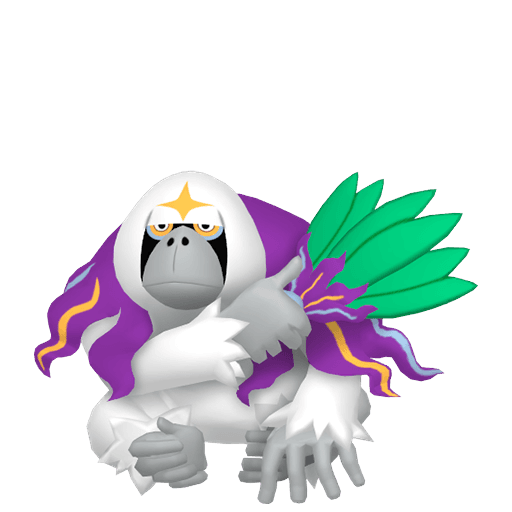
Oranguru takes Telepathy in specific Trick Room cores alongside Torkoal. Torkoal's Eruption at full HP is 150 base power — a spread move. The combo is Torkoal fires Eruption, Oranguru uses Instruct to make it fire again. Two Eruptions in one turn sequence. Telepathy means Oranguru survives both hits without needing to Protect or shift position. Running Inner Focus instead breaks this — you lose the ability to freely stack the combo.
How to use it
Core doubles pattern: put the Telepathy user and the spread attacker on the field together and both attack on the same turn.
Standard sequence — Gardevoir + Garchomp:
- Turn 1: Garchomp uses Earthquake, Gardevoir simultaneously fires Icy Wind. The opponent has to handle both threats in the same turn, and the Speed drop from Icy Wind makes Garchomp faster going forward.
- Turn 2: the Speed-dropped opponent moves slower; Garchomp picks off targets while Gardevoir sustains pressure or pivots to safety.
- Every turn that would have been a Protect stagger is now a free attack — that's the accumulating advantage.
Trick Room sequence — Oranguru + Torkoal:
- Under Trick Room, slow moves first. Torkoal fires Eruption; Oranguru uses Instruct on that same turn to copy it.
- Telepathy absorbs both incoming friendly Eruption waves. Without it, maintaining this sequence requires either extreme positioning luck or wasting a Protect turn, which breaks the chain.
In singles, Telepathy does nothing. Don't evaluate it outside a doubles context.
Tips & strategy
Value is set at team-building: During Team Preview, if you read that Ground-type spread or Fire-type spread will define the game, leading the Telepathy user frees your attacker's action economy completely. If the matchup doesn't involve spread moves on your side at all, Synchronize or Frisk may offer more concrete information or status coverage on that slot.
Common-mistake autopsy: The beginner error is treating Telepathy as a protective layer — seeing an opponent's ground-type and expecting Telepathy to help. It doesn't block the opponent's Earthquake. It blocks your own Garchomp's Earthquake. Confusing the direction leads to running Telepathy without a dedicated spread attacker on the team, meaning the ability never triggers once the entire game — a completely dead slot. The fix: before committing to Telepathy, check whether your own team has a spread-move user who actually needs the unlock. If not, swap the ability.
Counter-play: Telepathy users are typically fragile. Gardevoir has very low physical bulk — single-target physical attacks aimed directly at it bypass Telepathy completely, because the ability only blocks incoming ally moves. If the opposing team doesn't run spread attacks, Telepathy contributes approximately nothing that turn. The most direct counter is simply to target the Telepathy holder with focused single-target pressure; it has no mechanism to mitigate that.
Edge case worth knowing: In doubles, Earthquake already fires at ×0.75. But opponents may run Air Balloon or Levitate-based abilities to avoid Ground moves entirely — in that case, the spread attacker has to think twice about whether Earthquake even hits both targets. Telepathy's value requires three things simultaneously: a spread move, the Telepathy user in the target zone, and the move actually connecting with the right field position. If any one of those drops out, the ability's contribution that turn is zero.