
What it does
Spirit Break is a 75 BP Fairy-type physical move with one defining property: every clean hit applies a SpAtk −1 drop to the target, guaranteed. No roll, no percentage. That consistency is the entire point — you simultaneously deal damage and degrade the opponent's special output in one action, with zero variance.
Coverage in context: Fairy hits Dragon, Dark, and Fighting for ×2 super effective. All three are densely represented in Champions Ranked Battles. A super-effective Spirit Break effectively operates at 150 "neutral equivalent" base power — not a small number.
How much does −1 SpAtk actually matter? A −1 stage multiplies effective SpAtk by 2/3 (≈ ×0.667). Take Primarina with 135 SpAtk: after one Spirit Break, its working SpAtk drops to 90. That's a full stat tier gone, and the KO probabilities it holds against mid-SpDef targets drop meaningfully. Even if you can't finish the target, your teammates will absorb whatever it fires next at significantly reduced numbers.
Champions has weakened most status effects — paralysis only triggers a full stop 12.5% of the time, sleep caps at 3 turns — but stat drops from damaging moves are completely unaffected by these adjustments. Spirit Break is not a status move, so Prankster does not boost its priority, but its debuff is equally immune to "status move nerfs." The drop always lands.
Who runs it
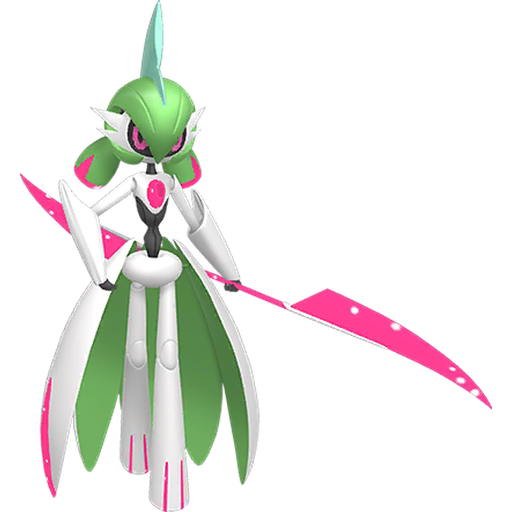
Iron Valiant is the defining Spirit Break user in Champions. With 130 Attack and 116 Speed, a Choice Scarf brings it to 174 Speed — outspeeding most unboosted threats — and Spirit Break becomes its primary Fairy STAB: hit hard and lock the target's SpAtk in the same action. Crucially, Iron Valiant also runs a full special set built around Moonblast and Calm Mind, meaning the opponent cannot determine its offensive orientation during Team Preview. That ambiguity alone applies passive pressure even before a move is used.
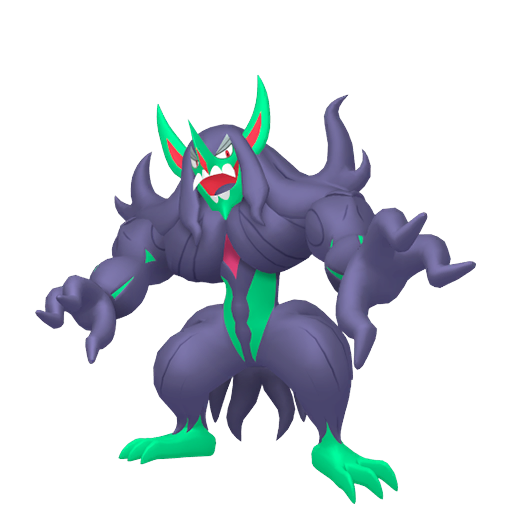
Grimmsnarl learns Spirit Break too. Its main gameplan is Prankster + Fake Out + screen setup, but Spirit Break is a meaningful slot filler that stops it from being free to Dragon- and Dark-types and gives it a guaranteed SpAtk suppressor in field compositions heavy on special attackers. It's not Grimmsnarl's star move — it's insurance.
Togekiss can learn Spirit Break but almost never should. Its Attack is only 80, the physical damage output is poor, and it gets far more value from Follow Me or Thunder Wave in that same slot. Togekiss is the clearest "learns it, should not use it" case — being able to learn a move is not a reason to run it.
How to use it
Singles turn pattern: Against a slow, high-SpAtk threat like a Choice Specs Hydreigon, a Scarfed Iron Valiant moves first, fires Spirit Break, deals heavy damage, and drops SpAtk −1 in a single action. If Hydreigon survives, its offensive threat to your team drops sharply — you can follow up with another Spirit Break or bring in a teammate to tank what's left. The decision tree is: if it's faster than you → only attempt this if you have a Scarf or a Speed Stat Points lead; if it's slower → fire freely. If Iron Valiant runs Life Orb instead of a Scarf, each hit costs 1/10 max HP in recoil but the Life Orb multiplier (×1.3) raises damage and you keep full move flexibility. Track that chip damage — it adds up over 4–5 turns.
Doubles dual-debuff turn: This is where Spirit Break reaches its ceiling. Lead Incineroar alongside Iron Valiant. Incineroar's Intimidate fires on entry, cutting the opposing physical attacker's Attack −1. On the same turn, Iron Valiant fires Spirit Break at the opposing special attacker, dropping SpAtk −1. One turn, no status move slots spent, and both sides of the opposing offensive lineup are now operating at ×2/3 of their stat. Your own bulkier Pokémon can survive hits they previously could not. This is one of the most efficient single-turn pressure patterns in Champions doubles.
Spirit Break only hits one target in doubles and does not take the ×0.75 spread-move penalty that Dazzling Gleam does. If you have a single priority threat, Spirit Break deals more damage per target than Dazzling Gleam at full doubles penalty (effective 60 BP post-reduction vs. Spirit Break's 75).
Quick decision flow: opposing special attacker present → Spirit Break; opponent has a strong Protect habit → delay and bait the Protect first; your Iron Valiant is slower this matchup → bring in Incineroar to eat a hit and retaliate next turn.
Tips & strategy
The most common beginner mistake: using Dazzling Gleam when Spirit Break was the correct call. The reasoning sounds sensible — Dazzling Gleam hits both opposing Pokémon in doubles. But after the ×0.75 spread penalty, Dazzling Gleam is effectively 60 BP. Spirit Break is 75 BP on one target plus a guaranteed SpAtk drop. If there is one central special attacker you need to shut down, Spirit Break beats Dazzling Gleam on both damage and value. Save Dazzling Gleam for turns where you need the second hit to finish a chip-damaged Pokémon or simultaneously threaten two weakened targets — that's the legitimate niche for the spread option. If neither condition applies, Spirit Break is the right move.
Named exceptions that break it: Clear Body (Metagross line), White Smoke (Torkoal), and Full Metal Body (Solgaleo) all block the SpAtk drop entirely — you deal damage, but the debuff is wasted. Much more dangerous: Contrary users like Malamar flip the drop into a SpAtk +1 boost. Spirit Break into a Contrary Pokémon is free setup for your opponent. Check the opposing roster before committing. Steel-types resist Fairy damage (×0.5), so Spirit Break against Steel is mostly chip — if you are looking for damage against a Steel, use a different slot.
Riding the switch pressure: After a confirmed SpAtk −1 hit in doubles, the debuffed Pokémon is often pulled out on the next turn. Read the incoming switch, adjust the second Pokémon's action, and force the incoming replacement into an unfavorable position. The debuff is the opener; the turn after is where you actually convert it into field control. Spirit Break players who consistently profit from this second turn are the ones making the move earn its slot rotation after rotation.