
What it does
Pollen Puff is a Bug-type special move, non-contact. It has two entirely different effects: aimed at an opponent, it deals damage; aimed at an ally, it heals them for 50% of their max HP. Same move, same slot, two functions.
In singles this barely matters — no ally to heal. In doubles it becomes a genuine decision every turn. The opponent sees the move name and can't know what you'll do with it. That ambiguity costs them information on every turn your Pollen Puff user is alive.
The 50% heal is substantial. For a Pokémon sitting at 160 HP, that's 80 HP recovered in one move. A Sitrus Berry at its best heals 25% max HP when triggered. Pollen Puff heals twice as much, with no trigger condition, fully under player control. It isn't affected by Misty Terrain or similar field conditions.
Who runs it
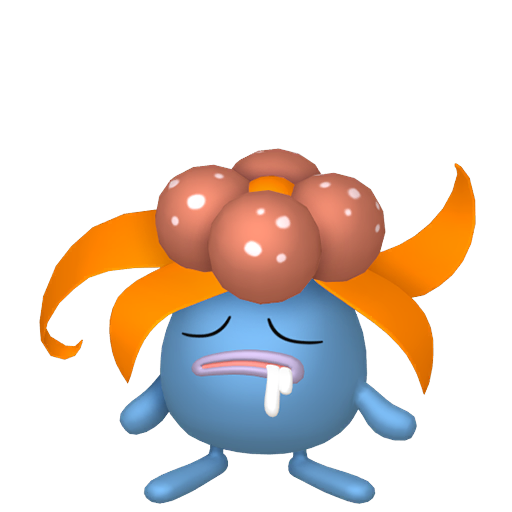
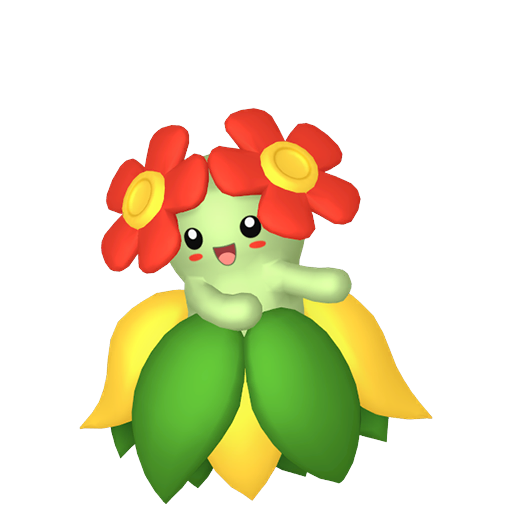
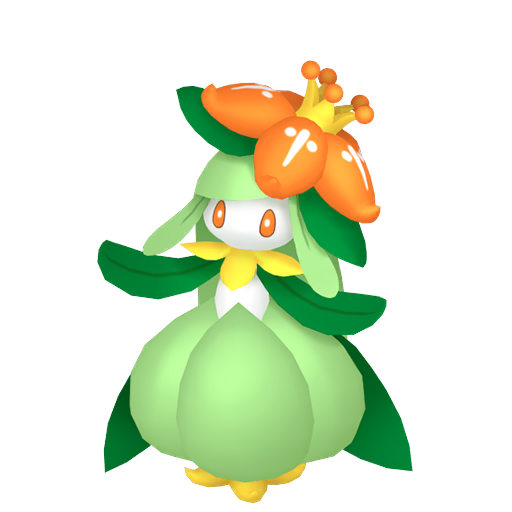
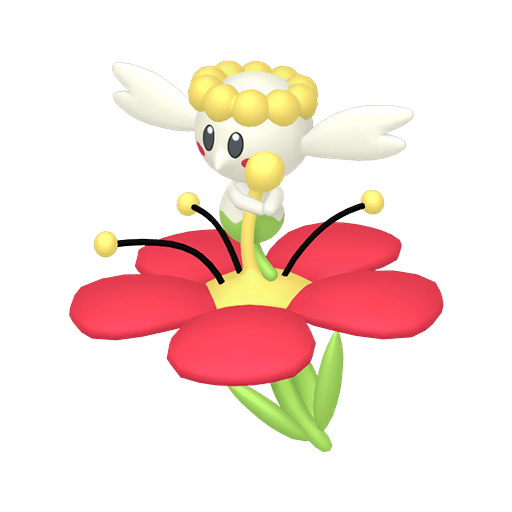
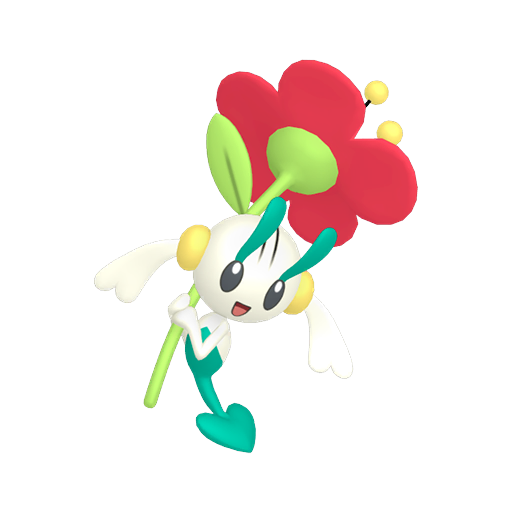
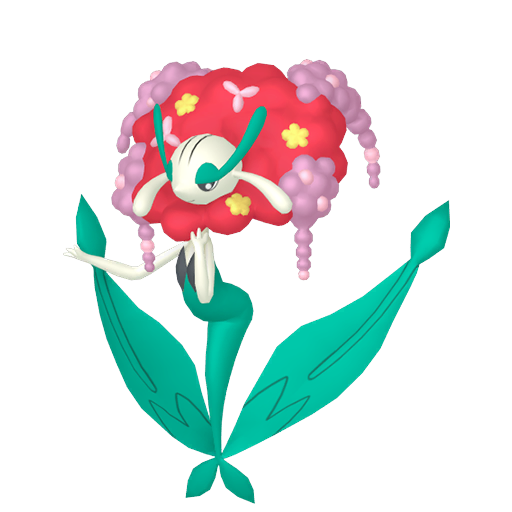
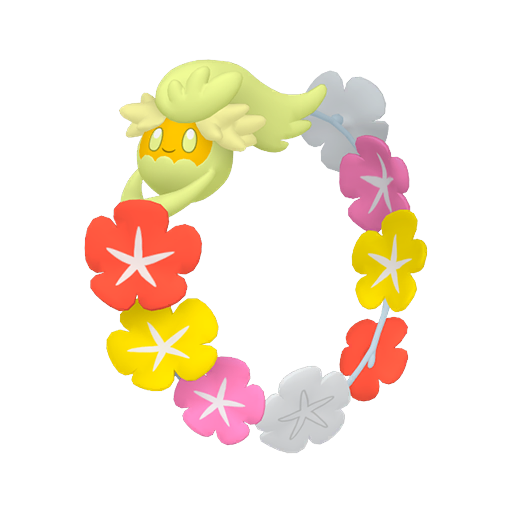
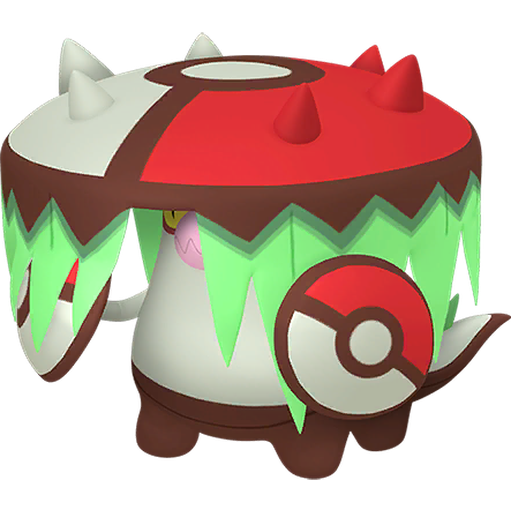
Florges (57%) is the primary Pollen Puff user in Champions. 154 base Special Defense makes it very hard to bring down with special attacks, and while its 78 base HP is modest,, and 112 base Special Attack means its Pollen Puff attacks actually hurt. The role is support core: Pollen Puff healing is one of its main tools, keeping damaged teammates in functional HP ranges when they'd otherwise fall. For Florges, Pollen Puff isn't a utility afterthought — it's a load-bearing piece of the team's endgame plan.
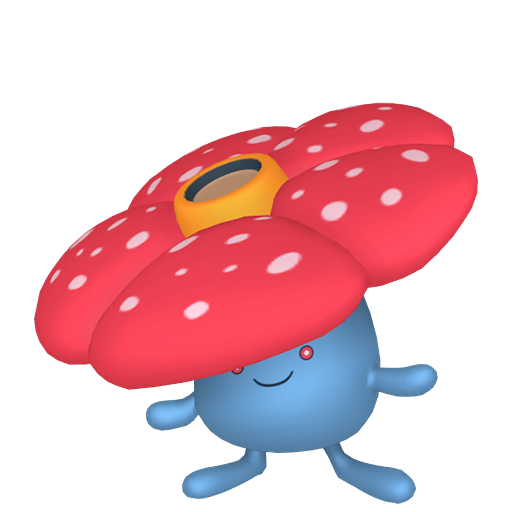
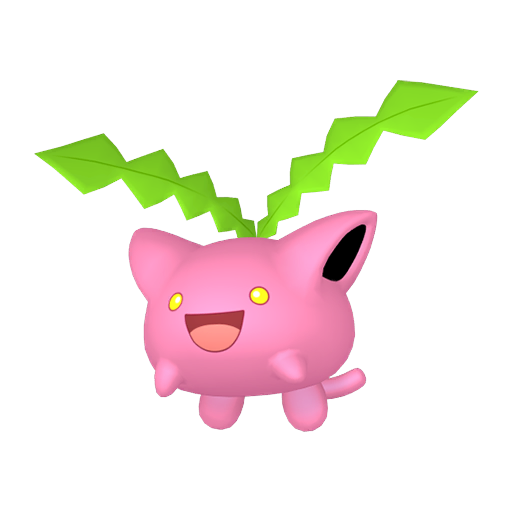
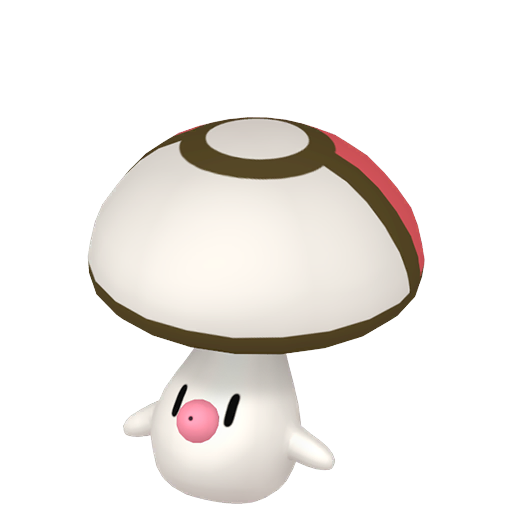
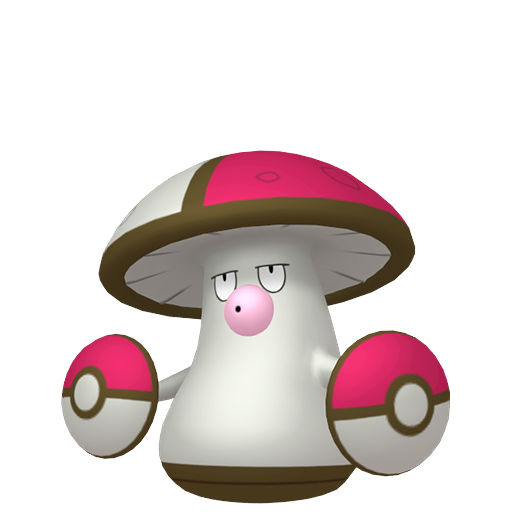
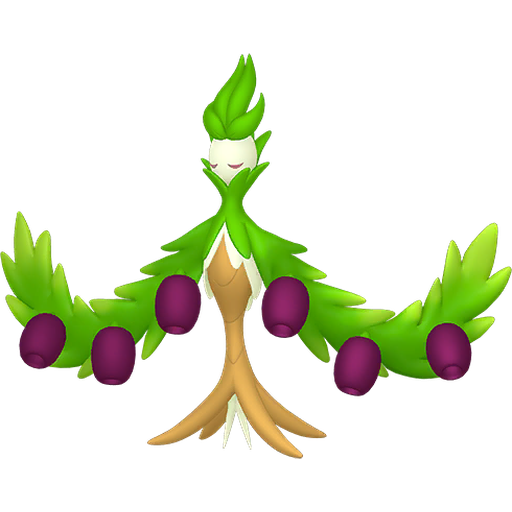
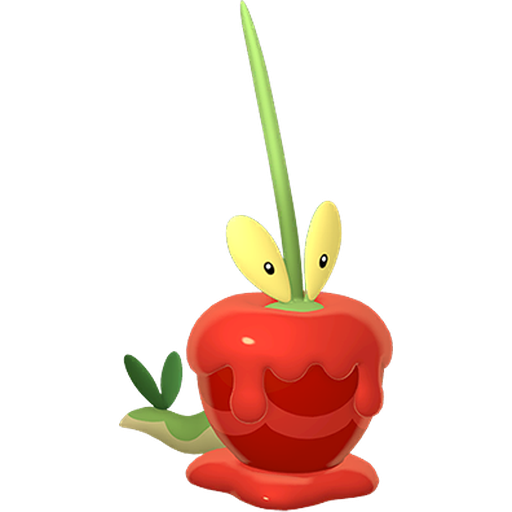
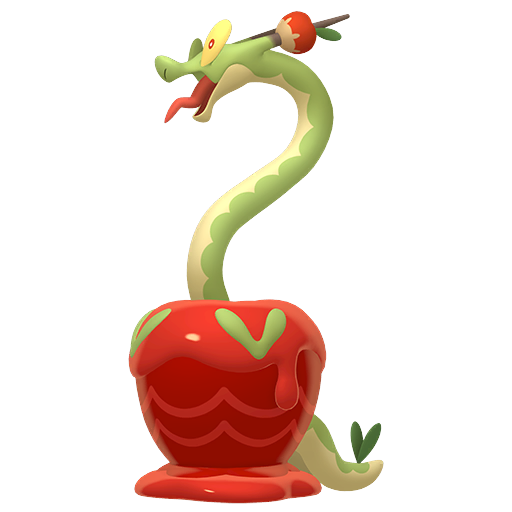
Hydrapple (29%) runs Pollen Puff as part of a flexible kit. Its Special Attack is respectable enough that Pollen Puff hurts on offense, while the healing option keeps it useful when a partner needs recovery. Grass/Dragon typing gives it coverage angles beyond just the Bug hit.
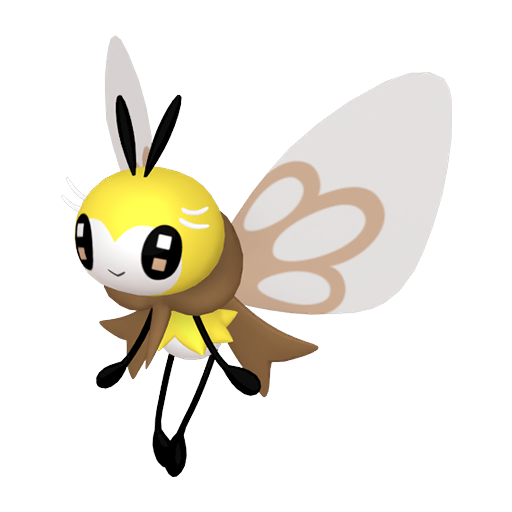
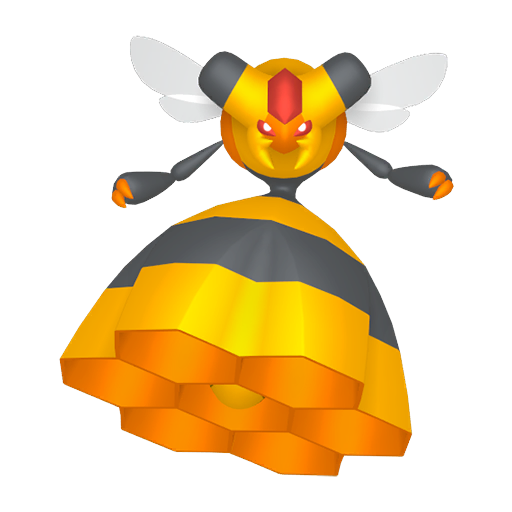
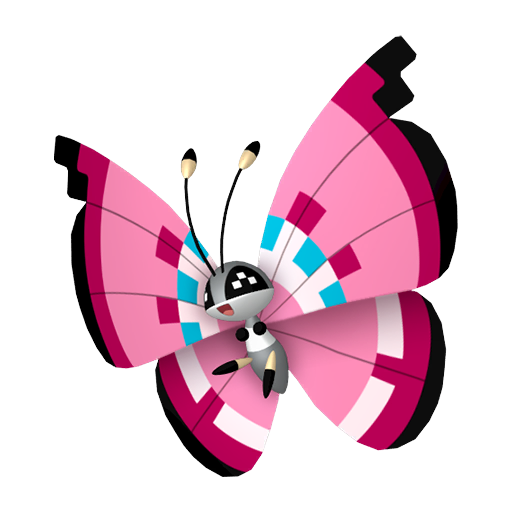
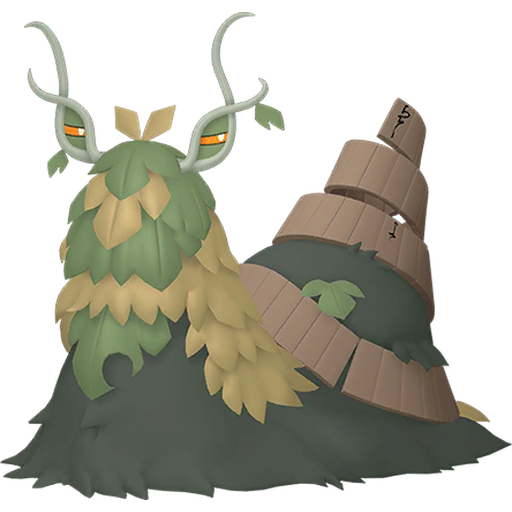
Vivillon (28%) uses it situationally. Sleep Powder is its headline move; Pollen Puff fills a secondary slot that can attack or heal depending on what the turn demands. It's not running Pollen Puff as a healer specifically — more as a flexible tool for turns when Sleep Powder isn't the right call.
How to use it
The decision is always the same: attack or heal this turn?
When a partner is low on HP — especially a key attacker or setup piece that needs another turn — heal. 50% HP recovery on a partner that's at 20% is the difference between them staying on the field for one more turn versus getting knocked out. Keeping doubles at 2v2 instead of letting it slip to 2v1 is a huge structural advantage.
When the team is healthy and you need to apply pressure, attack. Bug-type coverage is narrow, but it hits Psychic, Grass, and Dark for super effective damage. Mostly it's just reliable damage from a Special Attack stat that can back it up.
A concrete doubles scenario: your partner takes a big hit and sits at 35% HP. Opponent might finish it off next turn. Your Florges aims Pollen Puff at the partner — they jump to 85% HP, survive the next hit, and your offensive pressure is preserved. Without the heal, that partner falls, your opponent begins playing with a numbers advantage, and the game tilts.
Tips & strategy
The unpredictability is part of the value. Your opponent can't read Pollen Puff as 'that's a heal move' or 'that's an attack move' because it's both. Each turn they have to account for both possibilities. Some opponents will overcommit to protecting against the healing line and you hit them instead; others assume attack and you heal. Neither reads cleanly, and that costs them decision quality.
Pollen Puff can't target yourself. It can only be aimed at opponents or allies. If you're the last Pokémon standing, there's no ally to heal — the move is just an attack at that point.
The Bug-type coverage is narrow. Against Steel, Fire, and Flying types, Pollen Puff does poor damage offensively. The reason to run it isn't the typing — it's the dual function. Florges is the clearest example of a Pokémon that fully uses both halves of the move: enough Special Attack to make the offensive side real, enough staying power to keep showing up as a healer.