













What it does
Entrainment replaces the target's ability with the user's current ability, and the replacement lasts until the target switches out. No damage. The move's entire value rests on one question: is the user's ability harmful — or at minimum useless — when transferred to the opponent?
The straightforward application: if you have a disruptive ability that you can hand off, the opponent loses their native ability for the remainder of their current field stay. In doubles, this is a single-target move, so the targeting decision matters.
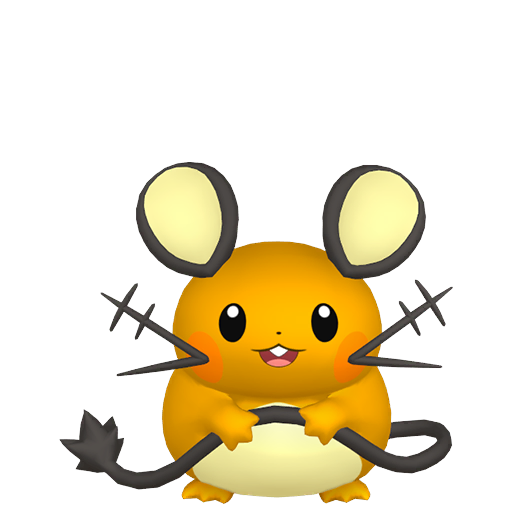
An example: Dedenne with Lightning Rod passes that ability to an opposing Pokémon. That opponent now draws Electric-type moves to itself — disrupting any redirected Electric strategy on their side while potentially feeding your Electric-type attacks into a new channel.
The effect resets when the target switches. Entrainment pressure is temporary. Time it for moments when the target is likely to stay on the field.
Who runs it
Dedenne (31% usage) uses Entrainment as part of team-composition-specific strategies. What ability it hands off — and what disruption that causes — depends heavily on the specific build.
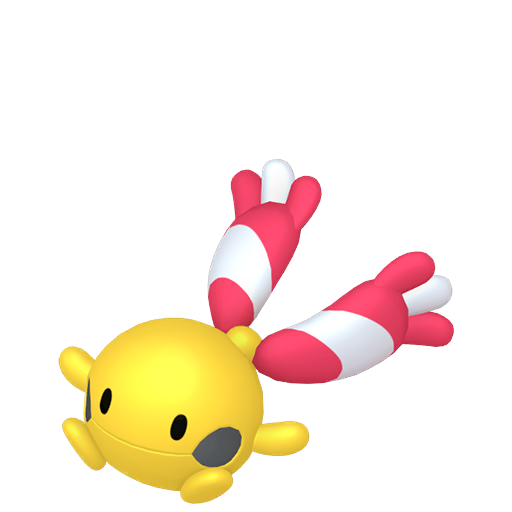
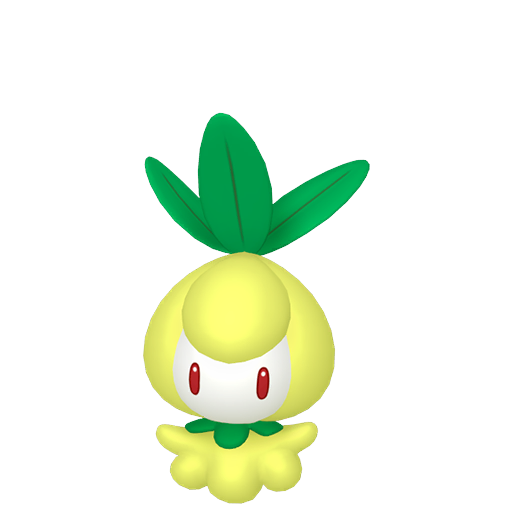
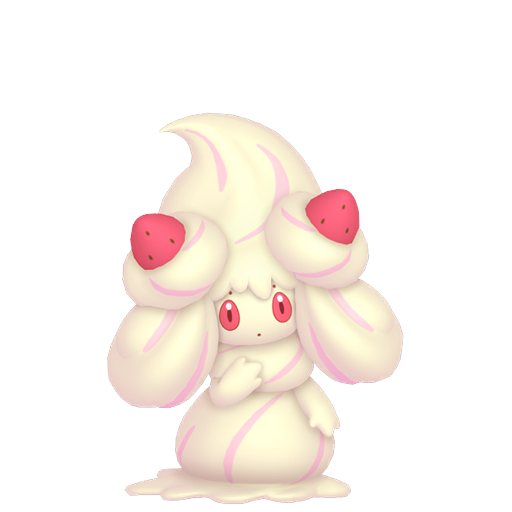
Alcremie (22% usage) can use Entrainment to pass abilities like Sweet Veil (prevents allies from sleeping) or Aroma Veil (prevents the holder and allies from being Taunted). Passing Aroma Veil to an opponent makes them immune to Taunt — which is a rare edge case but occasionally useful to block an opponent's own Taunt-reliant strategy. Like all Entrainment builds, team construction is everything.
How to use it
In doubles, Entrainment is single-target. The decision framework: will passing my ability to this specific target make them weaker? If yes, use it. If the target's native ability is fine and yours would do nothing disruptive, the action is wasted.
Timing matters. Entrainment is most valuable early in a match when the opponent's core Pokémon will stay on the field for multiple turns. Using it when the opponent is likely to switch immediately negates the effect.
Tips & strategy
Entrainment fails against targets whose ability cannot be replaced — abilities tied to specific forms (like Aegislash's Stance Change) or other uncopyable abilities. Check before committing to the move in a matchup.
Own Tempo and some other protective abilities may block the ability replacement. Know the common ability-protection cases to avoid losing a turn.
The effect resets on switch — Entrainment's disruption is entirely conditional on the target staying in. If you expect the opponent to cycle out frequently, consider whether the action investment is worth it.