
What it does
Unaware has a two-sided mechanic that's worth being precise about.
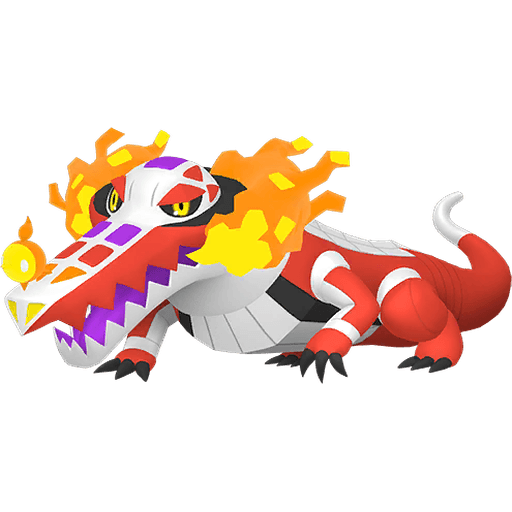
When the Unaware holder attacks: it ignores the target's Defense and Special Defense stat stages. If the opponent stacked three Calm Minds and has +3 Special Defense, your Skeledirge's Torch Song calculates as if that +3 Special Defense doesn't exist — the damage goes through as if Special Defense is at stage 0.
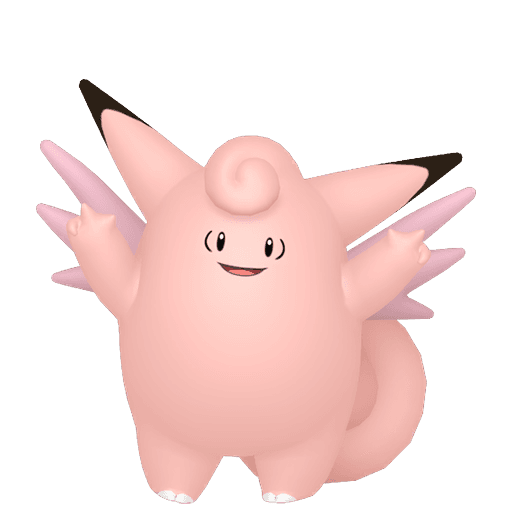
When the Unaware holder is attacked: it ignores the attacker's Attack and Special Attack stat stages. The opponent's Garchomp used Swords Dance twice and has +2 Attack; when it hits your Clefable, the damage calculation ignores those two stages entirely.
What Unaware does NOT ignore:
- The holder's own stat stages (if Skeledirge has +2 Special Attack from Torch Song, those boost its outgoing damage normally)
- Abilities that modify base stats rather than stat stages — Huge Power doubles Attack at the base level, not via stages, so Unaware doesn't affect it
- Move properties like base power, priority, or secondary effects
Unaware only targets the 'stat stage' layer of the damage formula. Everything else is unaffected.
Who runs it
Skeledirge (95% usage) is the most important Unaware user in the current format. It brings both offensive utility (Torch Song builds its own Special Attack over time) and solid Special Defense, while Unaware makes it a natural check to every setup sweeper in the game. An opponent that spends multiple turns stacking Calm Mind will find that those stages do nothing when targeting Skeledirge, and Skeledirge's own attack ignores however much Special Defense they built. That's an asymmetric advantage — their investment is wasted, yours isn't.
Clefable (74% usage) runs Unaware as a wall. Its role is to stand in front of anything trying to sweep after setup — Swords Dance physical attackers, Calm Mind special sweepers, Nasty Plot abusers. Clefable's base stats aren't imposing, but Unaware makes any stat-stage investment an opponent sinks into attacking it irrelevant. That's why it runs at 74%.
How to use it
Team preview: identify the opponent's setup sweepers. Common signals are Swords Dance or Calm Mind users, especially those with high base Attack or Special Attack. Against an Unaware holder, their setup turns represent wasted turns.
Timing the switch-in matters. Switching in after the opponent has already used setup moves is most punishing — their investment evaporates the moment Clefable or Skeledirge enters. Switching in before they set up might cause them to redirect, never giving you the tempo advantage of ignoring built-up stages.
Do not confuse 'ignoring stat stages' with 'taking no damage.' An opponent that stacked Swords Dance still has a large base Attack and high base power on their moves. Unaware cancels the stage multiplier but the rest of the damage formula remains. Clefable still takes real damage from a strong physical attacker — it just doesn't take the doubled or quadrupled version.
Tips & strategy
Skeledirge's Unaware is offensive, not just defensive. Torch Song raises its own Special Attack each time it lands — and since Unaware only affects the opponent's stages, not Skeledirge's own, those boosts accumulate normally. Skeledirge can mirror-race a Calm Mind user: the opponent stacks Special Defense, Skeledirge stacks Special Attack, but the Special Defense stacks are nullified when Skeledirge attacks. Pure asymmetric escalation.
Unaware does not prevent stat drops on the holder. Intimidate still lowers Clefable's Attack. Sticky Web still lowers Speed. Unaware is specifically about ignoring the attacker's and defender's relevant stages during damage calculation — it does nothing about conditions that lower your own stages.
Abilities that change base stats are not stages. Huge Power doubles Azumarill's Attack as a base modifier, not as a stat stage. Unaware doesn't touch it. Clefable facing a Huge Power Azumarill still calculates damage using Azumarill's effectively-doubled Attack. Know the difference between 'stat stage' and 'ability that modifies base stat.'