
What it does
Flame Body triggers a 30% chance to Burn the attacker whenever the holder takes a contact move. Burn applies two hard effects: the burned Pokémon's Attack is halved (×0.5 to the final stat value), and it loses 1/16 of its max HP at the end of every turn.
Here's what that actually means in numbers. Say the opponent's physical attacker has an effective Attack of 200 and fires a 120-power contact move. After burn, their Attack drops to 100 — that's a flat 50% cut to every subsequent physical hit for the rest of the match. On top of that, a Lv50 Pokémon with a typical HP total around 300 takes roughly 19 points of chip per turn from the residual (300 ÷ 16 ≈ 19). Let them sit in it for four turns and they've bled 75 HP before landing another hit. The crucial part: the Attack halving persists for the entire match unless they switch out or cure it. There's no countdown.
Compare to Will-O-Wisp: Will-O-Wisp is proactive — you pick the timing, you pick the target. But it costs your action turn, has an 85% hit rate, and gets predicted and punished when the opponent switches. Flame Body fires on the opponent's turn, with no counter-play window other than not clicking contact moves in the first place.
Champions status context: Paralysis full-stop was reduced to 12.5% in this format (from the mainline 25%). Sleep is capped at 3 turns. Freeze gets a 25% chance to thaw each turn with a 3-turn hard cap. By comparison, Burn's Attack halving has no turn limit whatsoever. Once it lands, it sticks until they cure it or leave the field. That makes Burn the most durable offensive debuff in the format.
In singles, a burned physical attacker is effectively crippled for the game — no amount of raw power recovers a 50% Attack cut in real time. In doubles, the opponent has more room to pivot, but the Flame Body holder stays threatening as long as it's on the field.
Who runs it
The core profile: a Pokémon that doesn't rely on physical moves itself and can stay on the field long enough to attract contact attacks. Fire-types own this ability, and these are the archetypes that actually want it:
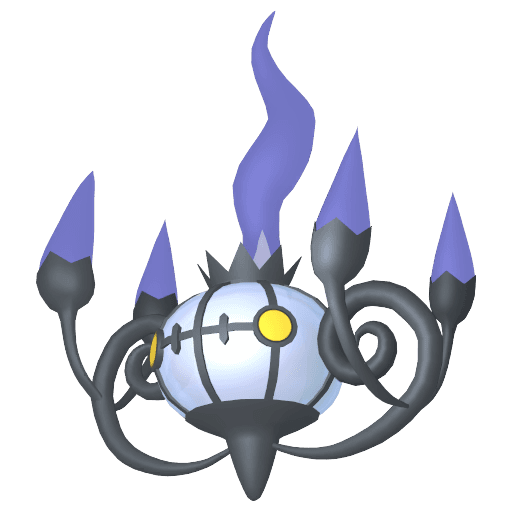
- Chandelure: Fire/Ghost, Sp. Atk 145, never touches a physical move. Takes contact hits for free 30% burn chances with zero downside to itself. The longer it stays on field, the more it threatens.
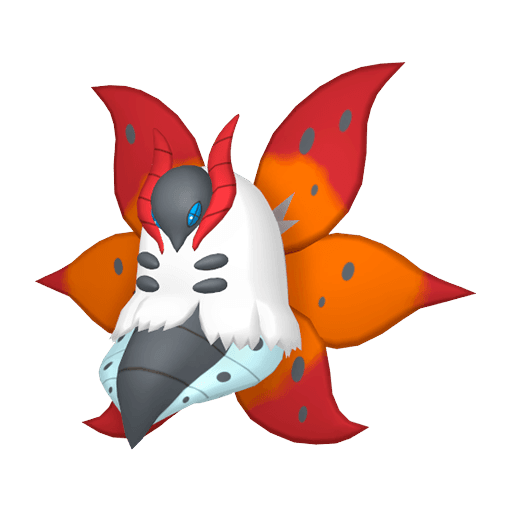
- Volcarona: Bug/Fire. Wants to accumulate Quiver Dance stacks. Physical revenge killers are its natural nemesis — Flame Body makes every contact attempt risky, buying it more setup turns.
- Moltres: Fire/Flying. Sp. Def 125 already walls special attackers. Flame Body covers the physical side of the equation, giving it defensive deterrence in both directions simultaneously.
- Magcargo: Rock/Fire. Slow, physically durable, designed to absorb hits. Contact moves are its daily diet — Flame Body is the natural pairing for something that sits there and takes it. Doesn't need to do anything special to rack up burn proc chances.
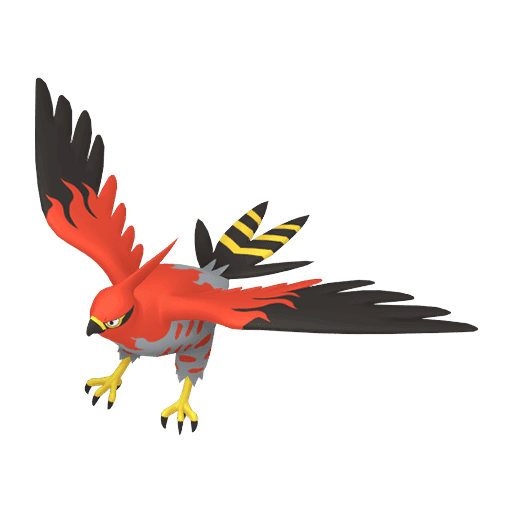
- Talonflame: Fire/Flying, Speed 126. Without its Mega slot, Flame Body is a standard non-Mega pick — it's fast enough that opponents trying to outspeed-and-click contact moves often trigger burn, after which Talonflame's speed advantage lets it flip the situation.
- Entei: Pure Fire, Attack 115. Sometimes used in reverse: bait physical contact deliberately, let burn proc on the attacker, then pivot since Entei's own Attack is unaffected (Burn only cuts the burned Pokémon's Attack, not the holder's).
Defensive and pivot-role Fire-types benefit most. Pure wallbreakers with more proactive ability options usually pass on it.
How to use it
Singles turn pattern: Position the Flame Body holder where the opponent's physical attacker wants to hit. The opponent now faces three options: A) click the contact move and gamble 30% self-cripple; B) swap to a non-contact or special move, changing their game plan; C) switch out. All three outcomes favor you.
When burn lands, the physical attacker is hobbled. The clean follow-up: switch your own physical threat in and run over them while their Attack is halved. The sequence looks like: take contact → burn procs → switch out holder → bring in physical sweeper → pressure opponent who can't match your damage.
Doubles turn pattern: Fake Out leads are ubiquitous in Doubles for turn-1 chip and flinch. If your Flame Body holder eats a Fake Out, you're immediately rolling 30% to burn the fastest disruption tool on the opponent's side — right on turn 1, before you've spent a single action. Pair with Wide Guard support to block spread moves; the holder stays on field longer and generates more contact opportunities.
What doesn't trigger it: Rock Slide, Earthquake, Heat Wave, every special move — none of these activate Flame Body. A skilled opponent spots the ability and pivots to non-contact options. Read that adaptation and respond by switching your holder out when its burn-threat value drops.
Status exclusivity: Burn can't stack on a Pokémon already carrying another status condition. If they're already paralyzed or poisoned, Flame Body simply does nothing on a proc.
Tips & strategy
Exploit the forced switch: When burn lands on a key physical attacker, the opponent almost always switches it out to preserve it. That's a free pivot turn — bring in your sweeper or set up a Substitute or entry hazard while they're scrambling. If they don't switch, they're attacking at half power while you're at full. Either way you win the exchange.
Common mistake autopsy: The classic beginner error is treating Flame Body as a reliable burn tool and building strategy around it proccing. A match runs 6–8 turns on the relevant matchup — at 30%, you can easily go the entire game with zero triggers, especially once the opponent realizes they should stop clicking contact moves. The fix: treat Flame Body as a deterrent and windfall bonus, not a plan. If you need burns reliably, Will-O-Wisp is your main tool. Flame Body's real value is psychological — it makes the opponent second-guess every contact click, which creates openings even when it never fires.
What turns it off / hard counters:
- Switch in a Fire-type attacker — Fire-types are immune to Burn entirely, Flame Body can't touch them.
- Use non-contact physical or special moves — sidestep the trigger condition completely.
- Hold Rawst Berry — cures burn immediately on proc, converting a 30% debuff into a free item activation.
- Magic Guard holders — this is a trap for newer players: Magic Guard blocks the 1/16 residual chip but does not prevent the Attack halving. A Magic Guard attacker still loses 50% Attack if burned. It's a partial counter, not a full one.
- Water Veil or Comatose — prevent burn entirely, including from Flame Body.
The full-system setup: The best Flame Body users also carry Will-O-Wisp. Use Will-O-Wisp proactively to pick your burn target on the right turn; let Flame Body punish anything that tries to hit you in the meantime. Double-layer coverage means the opponent has no clean window for physical contact — they're either eating a proactive burn or rolling the passive proc. This is when the ability reaches its actual ceiling.