
What it does
Early Bird cuts sleep duration in half. Outside of that, it does nothing.
Champions caps sleep at 3 turns. A normal Pokémon sleeps 1–3 turns; an Early Bird carrier sleeps 1–2 turns (halved, rounded up). The maximum you gain is one extra free turn. That's the whole ability.
In standard formats without a sleep cap, Early Bird is much more meaningful — you might save 4 or 5 turns. Here, the delta is tiny. If the opponent has no sleep moves at all, you just wasted your ability slot.
Who runs it
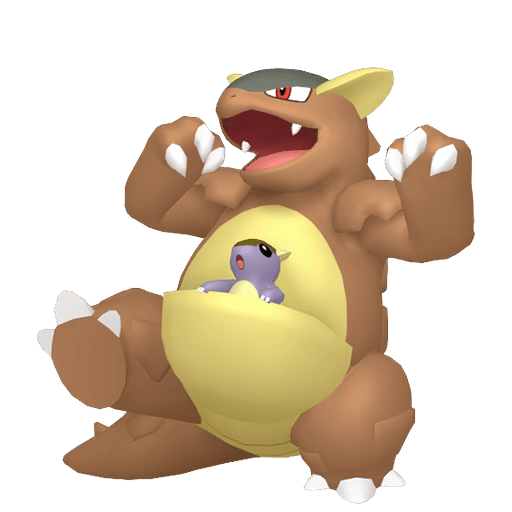
Kangaskhan has Early Bird as an option, but exactly 0% of Champions sets use it. The reason is simple: Kangaskhan's entire competitive identity is Mega Evolution via Omni Ring into Mega Kangaskhan, whose ability becomes Parental Bond — two hits per move. That's the reason anyone uses it.
Early Bird only works before the Mega. Once you Mega, it's gone. Since almost every Kangaskhan set Megas immediately or as soon as possible, Early Bird is basically protecting a one-turn window nobody plans around.
How to use it
The theoretical case for Early Bird Kangaskhan: your opponent's team has Spore or Sleep Powder, and you need Kangaskhan to come back online fast after getting hit by it.
In practice: turn 1 you get slept, Early Bird shortens it to 1–2 turns, you wake up and then Mega or attack. The sequence works on paper but requires knowing your opponent runs sleep moves, which you often don't know until it's too late.
Lum Berry just does this better — one-time immunity to any status including sleep, and it survives the Mega transform. If sleep prevention is the goal, Lum is the cleaner answer.
Tips & strategy
Early Bird does nothing against Paralysis, Burn, Poison, or Freeze. It's sleep-only.
When you see Early Bird Kangaskhan on an opponent's team, treat it like it has no relevant ability — because in Champions it practically doesn't, unless you were planning to sleep it for more than 2 turns. Adjust your line accordingly: sleep is still a valid tool against it, just don't expect to lock it down for the whole game.