
What it does
Corrosion removes the type-based immunity to poison status for Steel-type and Poison-type Pokémon. When the holder uses Toxic, Poison Gas, Poison Powder, or Toxic Spikes, those moves can inflict poison or bad poison on any Pokémon, regardless of type.
The numbers: regular poison (Poison) deals 1/16 max HP per turn. Bad poison from Toxic starts at 1/16 and increases by 1/16 each turn (1/16, 2/16, 3/16…). Corrosion makes both applicable to Steel and Poison types — which matters a lot in a format where Poison-types appear frequently and some Steel cores assume they're safe from attrition.
Critical distinction: Corrosion only affects status, not damage. Sludge Bomb still does zero damage to Steel-type Pokémon — the type immunity for offensive damage is untouched. You can give Garganacl bad poison, but your Poison-type moves still won't hit it. Keep that separate in your head.
Who runs it
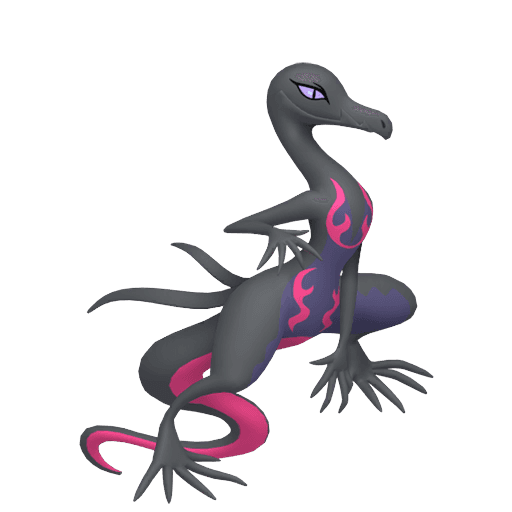
Salazzle is the core Corrosion user at roughly 72% usage. Base 117 Speed means it moves before most non-Choice Scarf or Tailwind-boosted Pokémon. The standard pattern is Fake Out into Toxic: flinch one target on turn one, then Toxic the Steel or Poison type on turn two before they can react. No field setup required — it starts applying pressure from turn one. Flamethrower or Sludge Wave backs this up with real damage so it's not purely functional.
Glimmora has Corrosion at around 2% usage — niche, but still able to apply its own Toxic or Poison Gas directly to Steel and Poison types, which is Corrosion's actual function. Toxic Spikes laid by Glimmora do not inherit the Corrosion bypass — the hazard activates separately from the ability, so Steel and Poison types switching in are still unaffected by those spikes.
How to use it
The core Salazzle play is reading your opponent's 'poison-immune load-bearer.' Which Pokémon on their team leans on being immune to poison to survive attrition matchups? Find it, then Corrosion-Toxic it.
Common targets: Steel-type supports that assume safety from chip (a Garganacl running Salt Cure is itself vulnerable to bad poison once it can be inflicted); Poison-type Pokémon that use their typing as a passive defensive cushion and suddenly lose it.
Salazzle has low bulk — it's built to get in, poison, and threaten one hit, not to stay all game. Once the poison is in, pivoting out and preserving it for later is usually correct.
Fake Out matters here because it guarantees the Toxic goes through on the next turn. Without it, a faster opponent might Protect or KO Salazzle before the poison lands.
Tips & strategy
Corrosion is most valuable when the opponent assumes their Steel or Poison type is safe. Corviknight and similar Steel types often operate under the assumption that poison-based attrition just doesn't apply to them. That assumption is gone the moment Salazzle is on the field.
Once poison lands on a Steel type, you change how they have to play it. They might need to pivot out, use a Lum Berry, or spend an action curing the status — each of those is a resource traded for a status condition that cost you one turn to apply.
Remember the limit: Corrosion is a precision tool for status immunity, not a universal bypass. Poison-type moves hitting Steel types for damage — that doesn't change. Know the distinction and it becomes a very clean, targeted threat.