
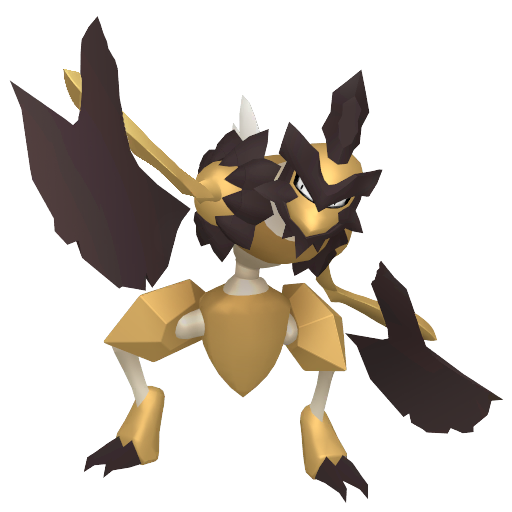
What it does
Stone Axe is a Rock-type physical move that, on hit, sets Stealth Rock on the opponent's side. The efficiency gain is the point: you don't spend a turn setting hazards — you attack and get the hazard in the same action.
In doubles, switching happens less than in singles, so Stealth Rock won't rack up the same chip damage it does in a singles game. But every switch-in still pays the tax, and you laid that tax for free. Any opponent who needs to swap a battered Pokémon out now has to factor in hazard damage — a constraint you created without burning an extra turn.
Base 65 power reads as moderate, but Rock STAB on Kleavor's Attack stat produces meaningful damage. Add the hazard setup and every use is worth more than the raw number implies. Rock hits Fire, Flying, Bug, and Ice for super-effective damage — all relevant types in the current Champions meta.
This is Kleavor's signature move. No other Pokémon learns it. That exclusivity signals exactly how central it is to why you'd pick Kleavor in the first place.
Who runs it
Kleavor carries Stone Axe at 94% — near-universal adoption. Bug/Rock typing gives Rock STAB on this move, and Kleavor's high Attack stat backs it up. Its reason for being on a team is usually tied directly to this move: run Kleavor, get Stealth Rock for free.
How to use it
Turn one Stone Axe is almost always correct. The opponent hasn't set their pace yet, you hit for damage and the hazard goes down. If they Protect, you still get the rock — the turn trades close to neutral for you.
Once the hazard is in place, the opponent's switching plans get complicated. Teams that rely on pivoting to reset momentum now have to weigh whether each swap is worth the Stealth Rock damage. That's psychological and structural pressure you get passively for the rest of the match.
Kleavor is typically fast enough to act before slower targets. Getting Stone Axe off before the opponent can respond means even if Kleavor faints that turn, the hazard is down. Mission accomplished.
Tips & strategy
Stealth Rock doesn't stack — a second use of Stone Axe after the hazard is already set wastes the hazard effect entirely. Once it's up, switch to X-Scissor or another damage option for subsequent turns.
Watch for opposing Magic Bounce, which reflects hazard-setting effects back at you. Whether the hazard portion of Stone Axe gets bounced is worth confirming in-game the first time you face it.
Rock is resisted by Rock, Steel, and Ground types. Against those matchups, the damage output drops significantly — but you still set the hazard if it connects, so the turn isn't wasted.