
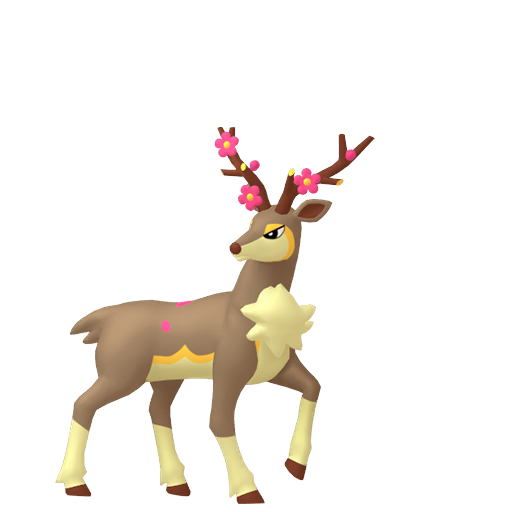
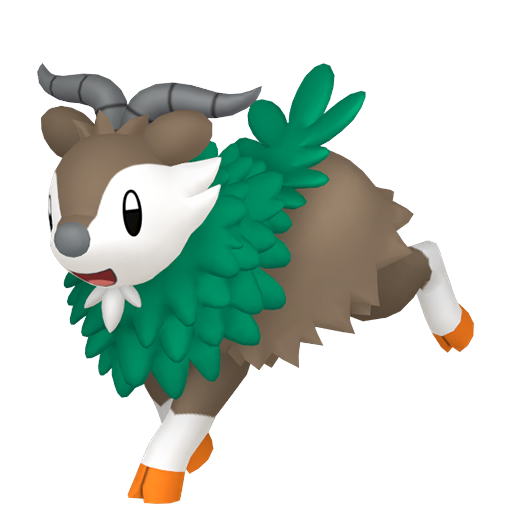
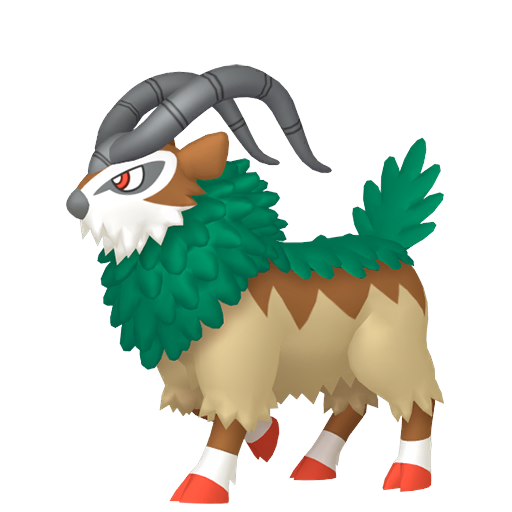
What it does
Horn Leech deals damage and then heals the user for 50% of the damage dealt. The recovery is proportional — if you hit hard, you heal well; if the target is bulky and takes little, you get little back. It targets a single Pokémon, not both opponents in doubles.
Compared to Wood Hammer — the other main Grass physical option — Horn Leech trades some raw power for sustain instead of recoil. You hit slightly less hard but your health stays healthier across the game.
Who runs it
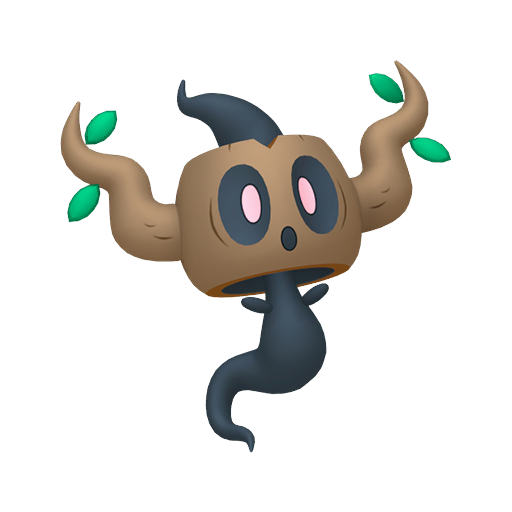
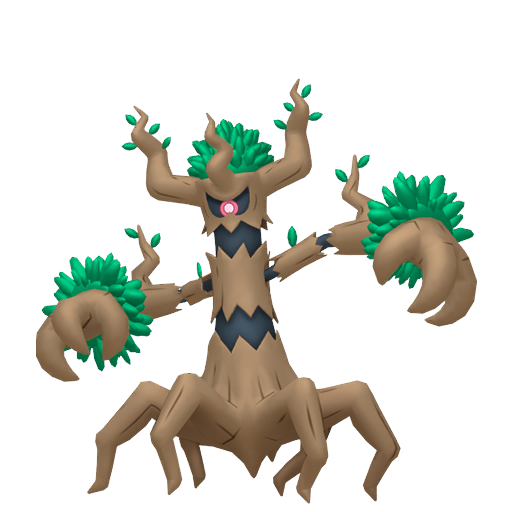
Trevenant (43% usage) is the main Horn Leech user in Champions. It's a Ghost/Grass type, so this move provides Grass STAB. The sustain matters a lot here — Trevenant's bulk is respectable but not exceptional, and recovering HP on every attack means it stays in range of useful health far longer than it would without drain moves.
How to use it
In doubles, look for targets with a Grass weakness. When Trevenant is attacking into a favorable matchup, Horn Leech does double duty: damage on the target, and a health buffer for Trevenant itself. This frees up the held item slot — you don't need Sitrus Berry as urgently when your attacking move is also healing you.
The move earns its slot most in drawn-out games where both sides are trading resources. A few extra hits' worth of health recovery over five or six turns can be the difference between Trevenant surviving to finish a weakened threat or falling just short.
Tips & strategy
The heal scales with damage output. If you have any Attack boosts up, or if a field condition is boosting Grass damage, the recovery goes up with it. The inverse is also true: against high-Defense or Grass-resistant targets, both the damage and the heal shrink. Either look for a different target or consider a different move.
Drain doesn't work on switch-ins — the damage and recovery only happen when the attack actually connects. If your opponent is cycling Pokémon to dodge taking damage, your per-turn healing expectation drops accordingly.