


What it does
Thick Fat applies a ×0.5 multiplier to all Fire-type and Ice-type damage taken. No HP threshold, no weather condition, no setup turn — it's always active, from the first turn on the field to the last.
Why do Fire and Ice specifically matter? Between them, they cover Grass, Dragon, Flying, Bug, Steel, and Ground — most of the types you'll see in a typical Champions match. Chandelure fires Heat Wave, Torkoal fires Eruption under sun, Vanilluxe throws Blizzard and Freeze-Dry. Thick Fat makes a holder resistant to all of that at once. That forces opponents to reroute their damage plan mid-battle.
The numbers, worked out:
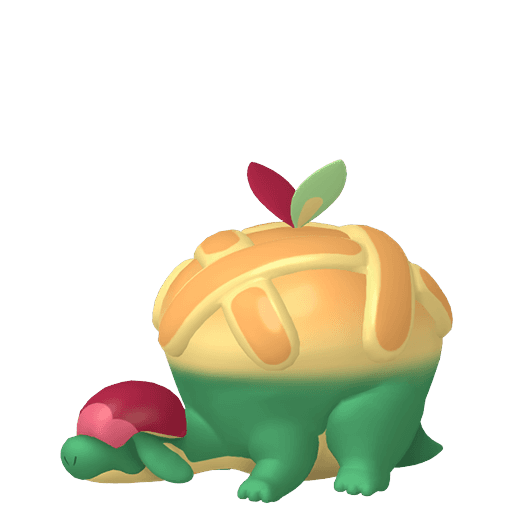
Appletun is Grass/Dragon — Fire and Ice both hit it for 2×. Take a sun-boosted Heat Wave:
- Without Thick Fat: ×2.0 (weakness) × ×1.5 (sun) = ×3.0 effective multiplier
- With Thick Fat: ×2.0 × ×1.5 × ×0.5 = ×1.5 effective multiplier
The gap between ×3.0 and ×1.5 is the difference between near-certain KO and a survivable hit. In doubles, spread moves add a further ×0.75, making the full calculation: 2.0 × 1.5 × 0.5 × 0.75 = ×1.125 — effectively neutral damage. Leftovers or a single Recover undoes that entirely.
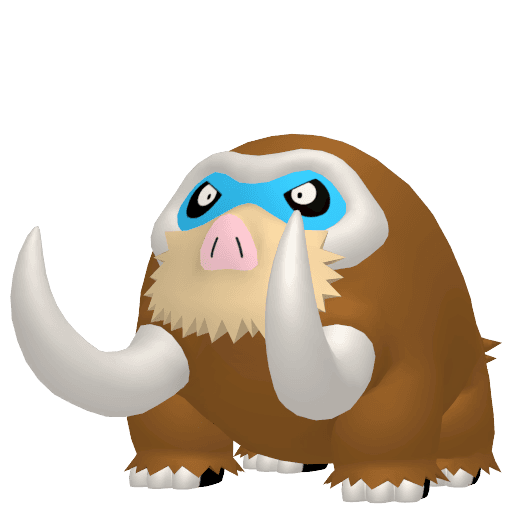
For Mamoswine, Freeze-Dry normally hits Water-types at 2× regardless of the Ice immunity — but Thick Fat's ×0.5 on Ice damage brings it back to 1×, removing what looked like coverage against Water from the opponent's kit.
One thing to be clear on: Thick Fat doesn't change the type chart display. The game still shows "super effective" if the type matchup warrants it. Only the damage number is halved.
Who runs it
Snorlax — Over 97% of Snorlax players in Champions take Thick Fat over Immunity. The reason is structural: Snorlax's entire value is its HP mass and passive longevity. Fire and Ice are the two most common coverage vectors thrown at Normal-types. Thick Fat makes both of them non-issues. Standard set is Brave nature (max Attack, Speed dumped for field-order control) + Leftovers, running Yawn for switch pressure and Body Slam for paralysis chip. Chople Berry appears on roughly 10% of sets as a one-time Fighting coverage absorber, since Thick Fat does nothing against Close Combat.
Appletun — The best type-chart fit in the game for Thick Fat. Grass/Dragon starts with six weaknesses; Thick Fat seals two of them (Fire, Ice), leaving four. Around 64% of Appletun players run it over Ripen. The standard set is Sassy nature with SpD-focused Stat Points, running Apple Acid (SpD drop) + Leech Seed + Recover as a stall axis. Thick Fat lets it stay in against sun cores that would otherwise force it out, maintaining Leech Seed pressure while absorbing Heat Wave.
Venusaur (Venusaurite) — Mega Venusaur's ability is hardlocked to Thick Fat upon Mega Evolution. This is one of the main reasons to spend the Omni Ring slot on it. Grass/Poison takes 2× from Fire normally; Thick Fat brings it to neutral. Paired with Leech Seed and Synthesis, Mega Venusaur becomes nearly unkillable under opposing sun when Heat Wave is the primary spread option. The opponent built the sun to boost damage — Mega Venusaur just absorbs it and recovers.
Mamoswine — About 10% of Mamoswine players take Thick Fat; the majority take Oblivious to block Captivate and stat-lowering control chains. Ground/Ice already nullifies Ice, so Thick Fat's work here is entirely on the Fire side — absorbing sun team Heat Waves and stray Fire-type coverage. Worth it if sun teams are common in your bracket; not worth it if the control-chain meta is heavier.
How to use it
Singles — the free pivot is the whole game plan
In singles, Thick Fat's value is the free switch-in: the opponent fires their Fire or Ice move, you switch into it, they deal half damage, you're already in position with no resource spent. The Snorlax pattern against sun teams illustrates it clearly.
Opponent leads Torkoal, sets sun, fires Eruption at full HP — one of the hardest hitting spread moves in the game. Thick Fat Snorlax switches in, takes a manageable hit (sun Eruption with Thick Fat lands at roughly ×0.75 effective damage to a Normal-type after the halving), recovers back with Leftovers, and next turn hits Yawn. Now the opponent either switches out (losing the sun-powered momentum turn entirely) or lets their Pokémon fall asleep. Either option favors you.
Champions caps Sleep at 3 turns and drops Paralysis to a 12.5% full-stop rate, so Yawn is pressure, not a guaranteed lock. Keep Body Slam's paralysis chip in the plan and maintain Leftovers recovery to extend the stall window.
Doubles — take the hit and act on the same turn
In doubles, a Thick Fat holder gives the whole field more room to breathe. The Appletun axis works like this:
- Turn 1: Appletun uses Helping Hand on the partner, partner fires the main damage move, opponent throws Heat Wave at the field
- Appletun tanks the Heat Wave at ×1.125 (super-effective spread with Thick Fat in sun), partner may also take a reduced hit — but Appletun stays in, partner stays in, and Helping Hand already boosted the attack that landed
That's a free buff applied while absorbing a spread move that should have threatened the field. If the opponent switches to a single-target Fire move to bypass the ×0.75 spread reduction — Thick Fat's ×0.5 is still there, and the hit is still manageable.
Decision framework:
- Opponent sets sun → switch in the Thick Fat holder on the same or next turn, waste their weather
- Opponent runs hail/snow + Blizzard → Thick Fat holder tanks it, hold position, Blizzard bothersome no more
- Opponent switches to Fighting/Dragon/Poison coverage → Thick Fat already forced the reroute; that's the ability doing its job
Tips & strategy
Read information from the forced reroute
Every time Thick Fat soaks a Fire or Ice move, the opponent faces a choice: keep throwing ineffective damage, or switch to a different coverage option. Whichever they choose reveals something about their team's remaining resources and their read on your next move. High-level play uses these forced reveals as information — not just taking the hit, but watching what the opponent changes to and planning the next two turns accordingly.
The common mistake, autopsied
The most frequent beginner error with Thick Fat: treating it as immunity (×0) rather than a halving (×0.5), then sitting in against a high-SpA attacker with a Choice Specs or sun-boosted single-target Fire move and getting KO'd anyway. The conclusion is "Thick Fat isn't that good" — which misses the actual lesson.
The fix: Thick Fat is a multiplier that makes adequate defensive stats sufficient. Snorlax can tank a sun Heat Wave because its HP mass is enormous to begin with — Thick Fat turns a risky number into a comfortable one. A Thick Fat holder with no special defense investment still folds to a max SpA, Choice Specs Fire Blast. Configure Stat Points as if the resistances exist but aren't infinite.
What bypasses or counters Thick Fat
- Fighting-type moves (Close Combat, Superpower) are unaffected entirely — the main checks to both Snorlax and Appletun walk this line
- Earthquake in doubles hits the Thick Fat holder's own partner; Thick Fat provides no protection for allies
- High-SpA single-target Fire/Ice with a damage-boosting item still threatens underprepared Thick Fat users
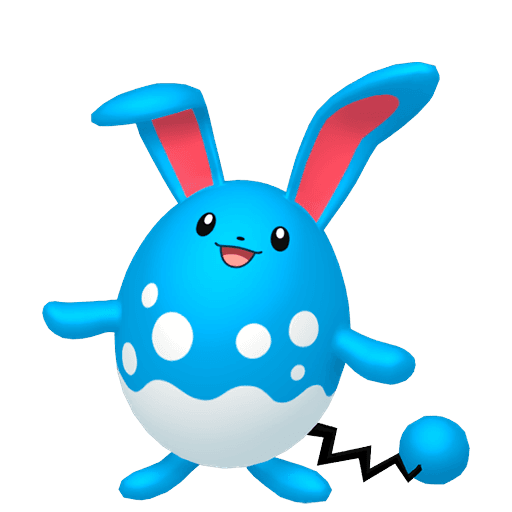
- Azumarill almost never runs Thick Fat (~2.5% of sets) because Huge Power doubles physical Attack — a far larger swing for a physical sweeper than any defensive resistance. Never take Thick Fat when the alternative ability fundamentally changes what the Pokémon does
The real selection criterion: Thick Fat is worth running when (1) your Pokémon genuinely gets targeted by Fire or Ice coverage often, and (2) the alternative ability offers less than the bulk gain. Both conditions need to be true. If sun teams are rare in your bracket this week, Mamoswine probably wants Oblivious. Reevaluate each time the meta shifts.