
What it does
Quark Drive activates under two conditions: the holder stands on Electric Terrain, or it enters battle holding Booster Energy. Once active, the holder's highest stat is multiplied — 1.5× if Speed is the top stat, 1.3× for anything else.
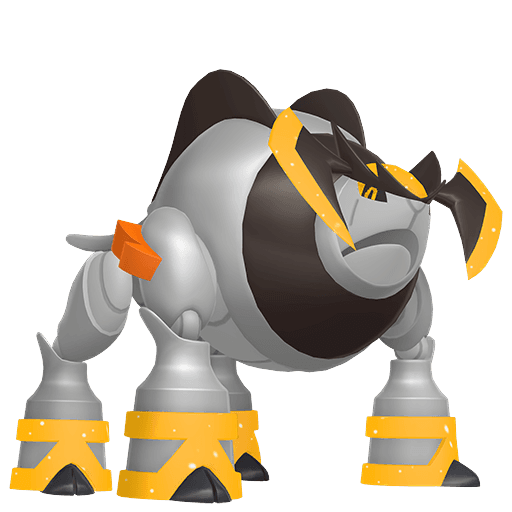
The numbers in practice: Iron Bundle has base 136 Speed. Maxed Stat Points (32 SP = 252 EV equivalent), Timid nature, 31 IVs, Lv50 — that lands at 206 actual Speed. Quark Drive ×1.5 brings it to 309. Outside of priority moves and Scarfed Pokémon, almost nothing in either format reaches 309 base Speed. In practical terms, once the terrain is live or the Booster Energy fires, Iron Bundle acts before essentially the entire field without any speed investment on the opponent's part to prevent it.
The Attack-side math is equally meaningful: Iron Hands with base 140 Attack, maxed investment, Adamant nature comes out to 211 actual Attack. Quark Drive ×1.3 pushes that to 274. At that level, its Drain Punch and Wild Charge stop being "hits hard" and start being "you need dedicated physical bulk or you're taking catastrophic damage" — and many teams aren't built to handle that.
Key operational difference between the two activation methods: Booster Energy fires the instant the Pokémon enters and is immediately consumed. The opponent cannot suppress it by overwriting the terrain beforehand — but it's one-time only, and it does not reset on KO and re-entry or if stripped by Knock Off or Trick before activation.
Who runs it
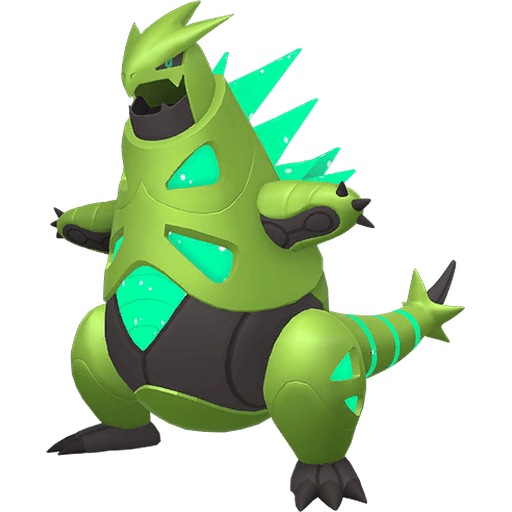
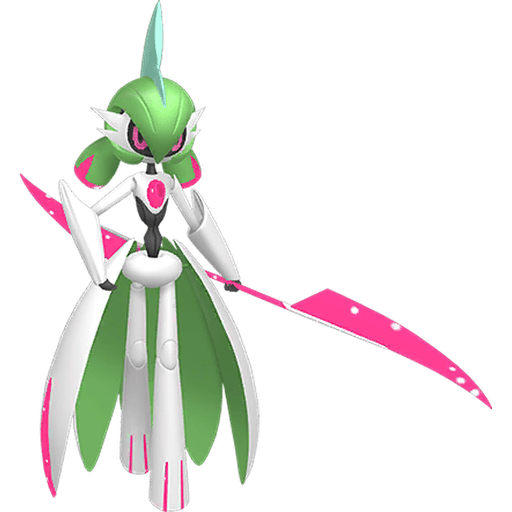
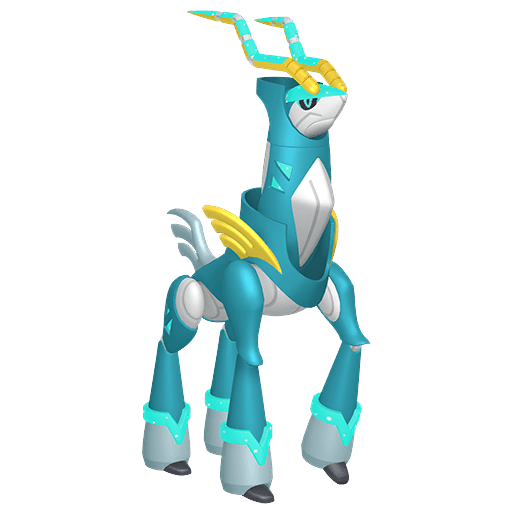
Every Iron-series (future Paradox) Pokémon carries Quark Drive as its fixed ability. Which stat activates determines the archetype.
Speed-activated attackers
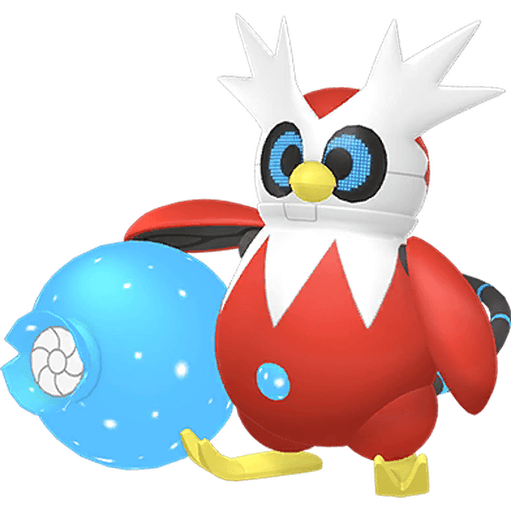
Iron Bundle is the textbook Speed-activation user. That 309 boosted Speed means it's going first against virtually the entire metagame under terrain or off Booster Energy. Water/Ice dual STAB covers an enormous range — Hydro Pump and Freeze-Dry together threaten Grass-types (who normally answer Water) and Water-types simultaneously. In singles it dictates pace; in doubles it functions as a fast cleaner that forces dedicated answers.
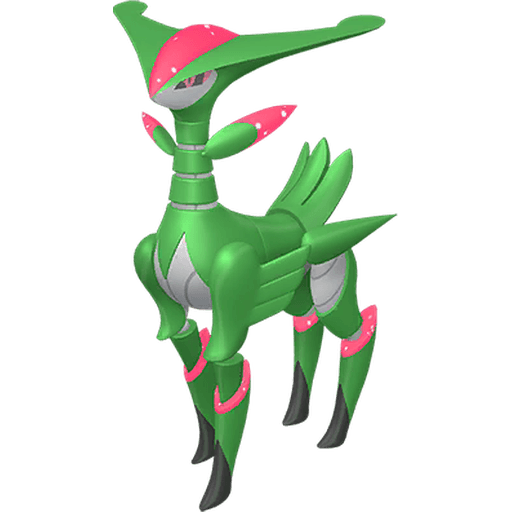
Iron Valiant hits 184 actual Speed under maxed investment and a Speed-boosting nature, boosted to 276 with Quark Drive. Its near-equal offensive stats — base 130 Attack, 90 Special Attack — mean the activation direction shifts based on how you allocate Stat Points. Physically oriented spreads activate Attack at ×1.3; Speed-forward spreads activate Speed at ×1.5 and let it outrun almost everything. It's the most adaptable Quark Drive user in terms of set variety.
Special Attack-activated
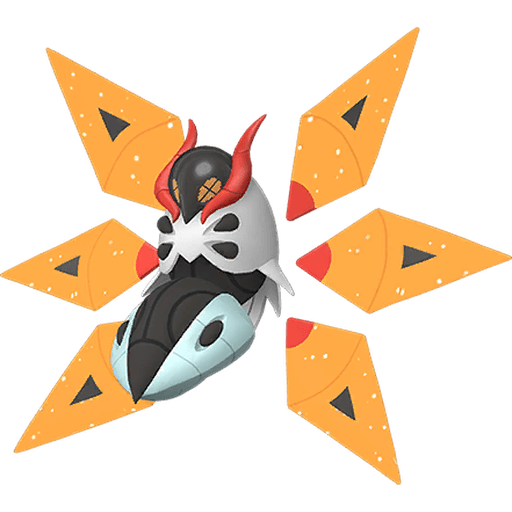
Iron Moth with maxed Special Attack investment and a Modest nature sits at 211 actual SpAtk, rising to 274 with the ×1.3 activation. Fire/Poison typing means its STAB moves cover completely different defensive profiles, and Fiery Dance's chance to raise Special Attack further means opponents can't simply let it stay on the field for multiple turns. Sludge Wave in doubles also hits both opponents, making it a relevant spread threat.
Attack-activated tank
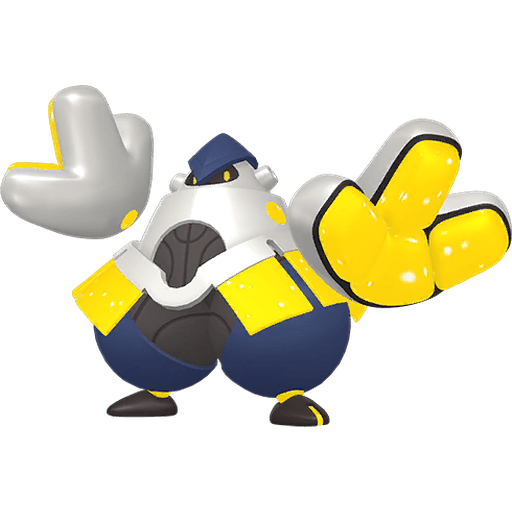
Iron Hands is the doubles archetype. With base 72 Speed versus base 140 Attack, there's no configuration where Speed becomes the highest stat — it always activates Attack. The 274 boosted Attack combined with Drain Punch sustain and Fighting/Electric typing that makes it very hard to wall makes Iron Hands one of the most difficult front-line Pokémon to remove cleanly. Its natural doubles partner is Miraidon: Hadron Engine sets Electric Terrain on entry, no extra action required, activating Quark Drive across the entire Iron-series roster the moment it enters.
How to use it
Singles: Booster Energy is the default. No terrain dependency, no counterplay before the Pokémon hits the field (you can't Knock Off something that isn't out yet), and the activation persists until the Pokémon leaves. Speed-activated sets function similarly to a Choice Scarf user but without the move lock — the Speed advantage is real, and the flexibility is a genuine benefit. The decision tree at entry: "does my boosted damage range reach at least 2HKO on the current target?" If yes, attack. If a dedicated wall or the wrong type match is in front, switch rather than waste the boosted turn into a resist.
For Attack-activated sets in singles — less common, but Iron Hands and Iron Valiant appear here — treat it as a wallbreaker. The 1.3× boost is the difference between 2HKOs and 3HKOs on bulky targets. Identify two or three Pokémon the opponent has that cannot safely eat two hits, and route the game to force those match-ups.
Doubles: Terrain-activation via Miraidon is the flagship. Entry sets terrain immediately, and the turn Iron Hands uses Fake Out to burn an opponent's action, the terrain is already running — next turn Iron Hands swings with full Quark Drive multiplier at no extra cost. Budget the five-turn terrain window: if the opponent also has a terrain setter, your window to complete the key offensive sequence may be shorter than five turns. Spend the terrain; don't save it.
One doubles-specific rule: Earthquake hits your own partner and deals ×0.75 damage to each target due to spread reduction. If Iron Hands wants the coverage, confirm the partner is airborne, has Levitate, or is using Protect that turn, otherwise swap to a single-target Ground move.
Practical decision framework for doubles: terrain ≤ 2 turns remaining and target is in 2HKO range → attack now, don't wait for a terrain reset. Terrain at 4+ turns and opponent has a physical wall → use a disruption move first (Fake Out, Encore) to set up the boosted hit in a favorable position.
Tips & strategy
Check which stat activates before finalizing your spread. Quark Drive evaluates the actual highest stat after Stat Points and nature bonuses, not base stats. The most common misconfiguration: intending to activate Attack but accidentally making Speed the highest through an oversight in point allocation. The fix is simple — run the final stat totals through a damage calculator before locking the set and confirm the top stat is the one you want.
Booster Energy vs. terrain-activation is a meta read, not a fixed choice. If your bracket or ladder has multiple terrain setters (Grassy, Misty, or Psychic Terrain from common Pokémon), terrain-activated Quark Drive becomes unreliable. Booster Energy sidesteps this at the cost of the item slot and the one-time limit. Conversely, if you're running Miraidon anyway, Booster Energy is redundant — the terrain is already coming for free.
What shuts it down:
- Terrain overwrite cuts terrain-activated Quark Drive immediately. Grassy Terrain, Misty Terrain, and Psychic Terrain all work.
- Knock Off or Trick removes Booster Energy if the Pokémon is already on the field (though Knock Off landing before it enters cannot strip it).
- Intimidate (e.g., Incineroar) reduces Attack on entry. If a Quark Drive user is activating Attack, Intimidate applies after entry — but the Quark Drive boost is calculated from the stat at the moment of entry, before Intimidate resolves. The interaction can produce different results depending on activation timing, so verify in a damage calculator rather than assuming.
- Speed drops from Icy Wind or Electroweb after activation do not change which stat is boosted — the activation snapshots the highest stat at entry and locks it. But the speed number itself drops, which means Pokémon that couldn't previously outspeed the user might now run ahead. The threat isn't that Quark Drive switches to a different stat; it's that the speed tier advantage collapses when the number falls.
Common mistake autopsy: Switching in a terrain-dependent Iron Hands with only one turn of Electric Terrain remaining, then losing the boost entirely on the turn that matters most. The fix is counting terrain turns before committing the switch. If the window is too short for what you need, either bring Miraidon back out to reset terrain, swap to a Booster Energy build, or route the turn sequence to accomplish the work within the remaining window — not after it closes.