

What it does
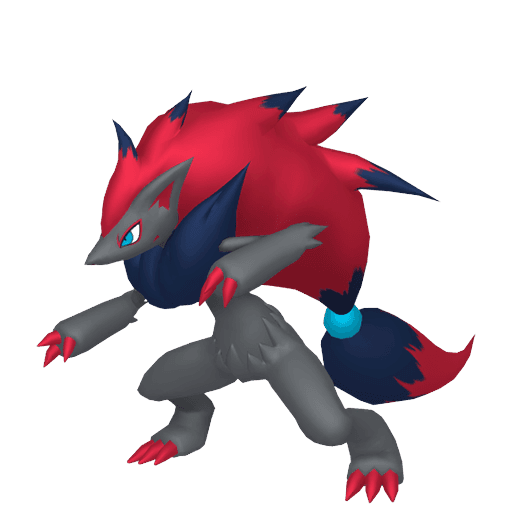
Illusion triggers on switch-in: Zoroark appears as the last non-fainted Pokémon in your party, copying that Pokémon's name and sprite exactly. The opponent has no way to see Zoroark directly — they see the decoy.
What the illusion covers: the visual appearance, the displayed name, the species shown in the battle UI. What it does not copy: the decoy's typing, stats, or moves. Zoroark keeps its own Dark/Normal typing and its own stat spread. The displayed HP bar reflects the decoy Pokémon's maximum HP, which means even that number misleads. The illusion breaks the moment Zoroark's HP decreases from an attack.
The practical consequence: the opponent thinks they are facing Pokémon A and picks their move accordingly. But they are actually facing Zoroark, which has entirely different type weaknesses and resistances. The move they thought was super effective may not be. The move they thought was safe may hit neutrally or worse.
Who runs it
Zoroark is the only user of Illusion, and the whole strategy lives or dies by how you build around it. Its Special Attack is strong enough to punish the misplayed turns it generates, and its Speed sits at a tier that lets it act before most mid-speed threats.
The choice of which Pokémon goes last in your party is a preparation decision made before battle starts — and it is one of the most important teambuilding calls for any Zoroark team. The decoy needs to be something your opponent will instinctively respond to in a predictable way.
How to use it
The game plan is to get your opponent to commit to the wrong move. Put your chosen decoy last in party order. Send Zoroark in at a moment when your opponent would logically want to hit that decoy with a specific move — and then let Zoroark absorb the mismatch.
Move selection happens in the same turn as switching, so the first turn Zoroark is in is usually the highest-value turn of the illusion. Your opponent is deciding their move based on what they think they see. Hit them hard with Night Daze before the illusion has any chance to break — it is Dark-type and does not reveal your actual typing.
Once the illusion is exposed, Zoroark is still a real threat: Focus Blast and Flamethrower provide coverage that keeps opponents honest even after they know what they are dealing with.
Tips & strategy
The best decoy is a Pokémon your opponent will reflexively hit with a move that is not very effective against Zoroark's actual Dark typing — or something they would consider 'safe' to leave alone, so they spend a turn setting up or using a support move instead.
The illusion breaks once and does not come back. That means positioning matters enormously — do not send Zoroark in speculatively. Wait for the turn where the opponent is most likely to commit to a wrong move, then send it in.
In doubles, the illusion is harder to run effectively because both of your Pokémon are visible and the opponent has more information to work with. Singles is the format where Illusion generates the most decision errors.